

Herbalist Bundle – 9-Varieties of Heirloom Perennial & Biennial Healing Plants for Advanced Apothecary Gardens
Heirloom - Non-GMO - Reliable Germination
Herbalist Bundle – 9-Varieties of Heirloom Perennial & Biennial Healing Plants for Advanced Apothecary Gardens is backordered and will ship as soon as it is back in stock.
Couldn't load pickup availability

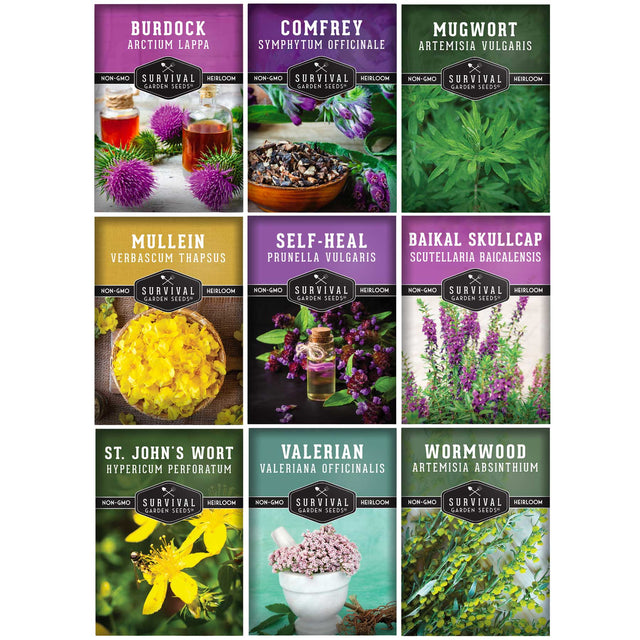
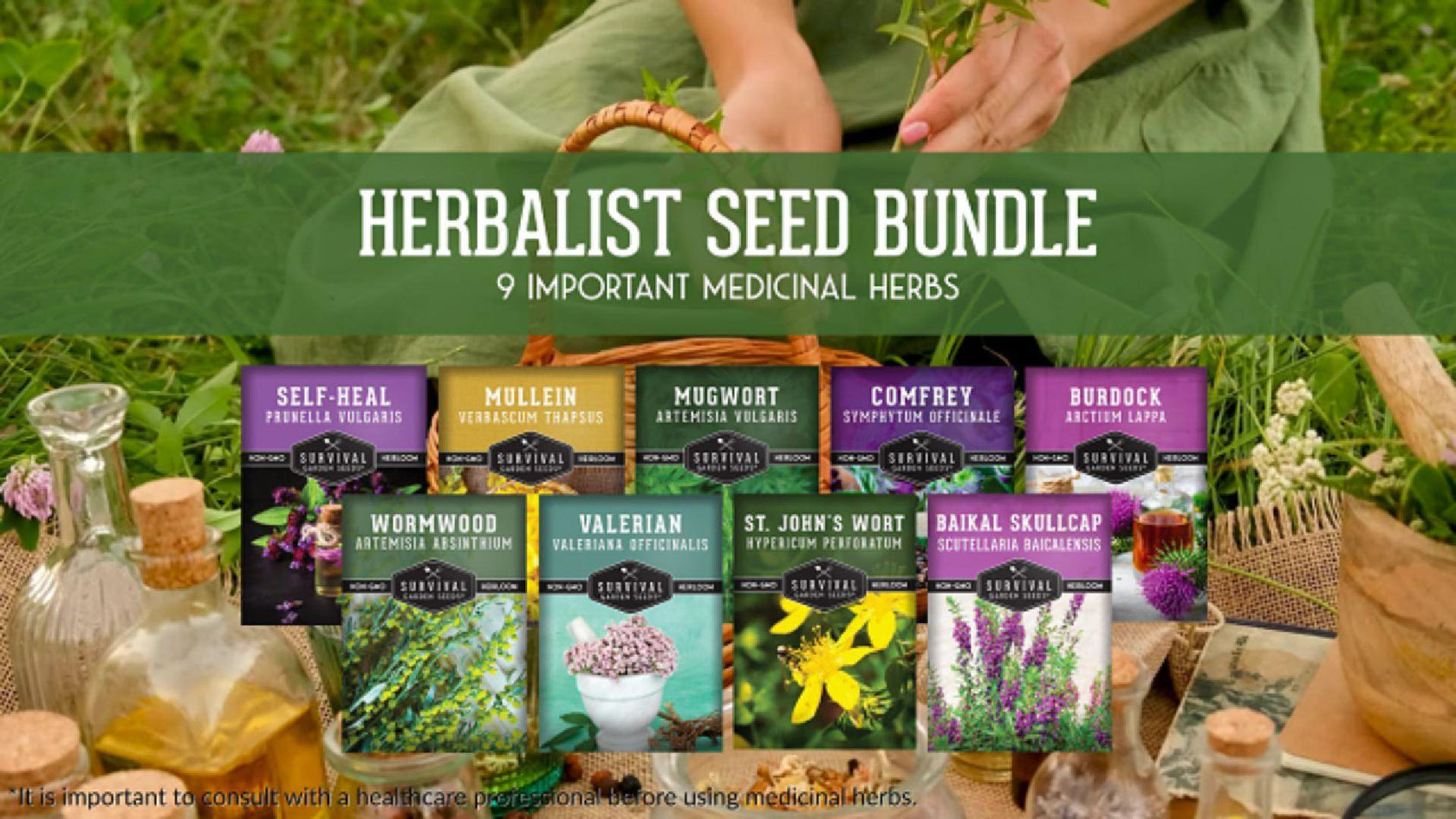
Create a purposeful healing garden with this Medicinal Herb Seeds – 9-Variety Herbalist Bundle, designed for gardeners who want to cultivate traditional apothecary plants from seed. This advanced collection includes perennial and biennial herbs prized for their roles in herbal medicine, ideal for crafting natural infusions, salves, and extracts right from your own backyard.
A Curated Collection for the Experienced Herbal Gardener:
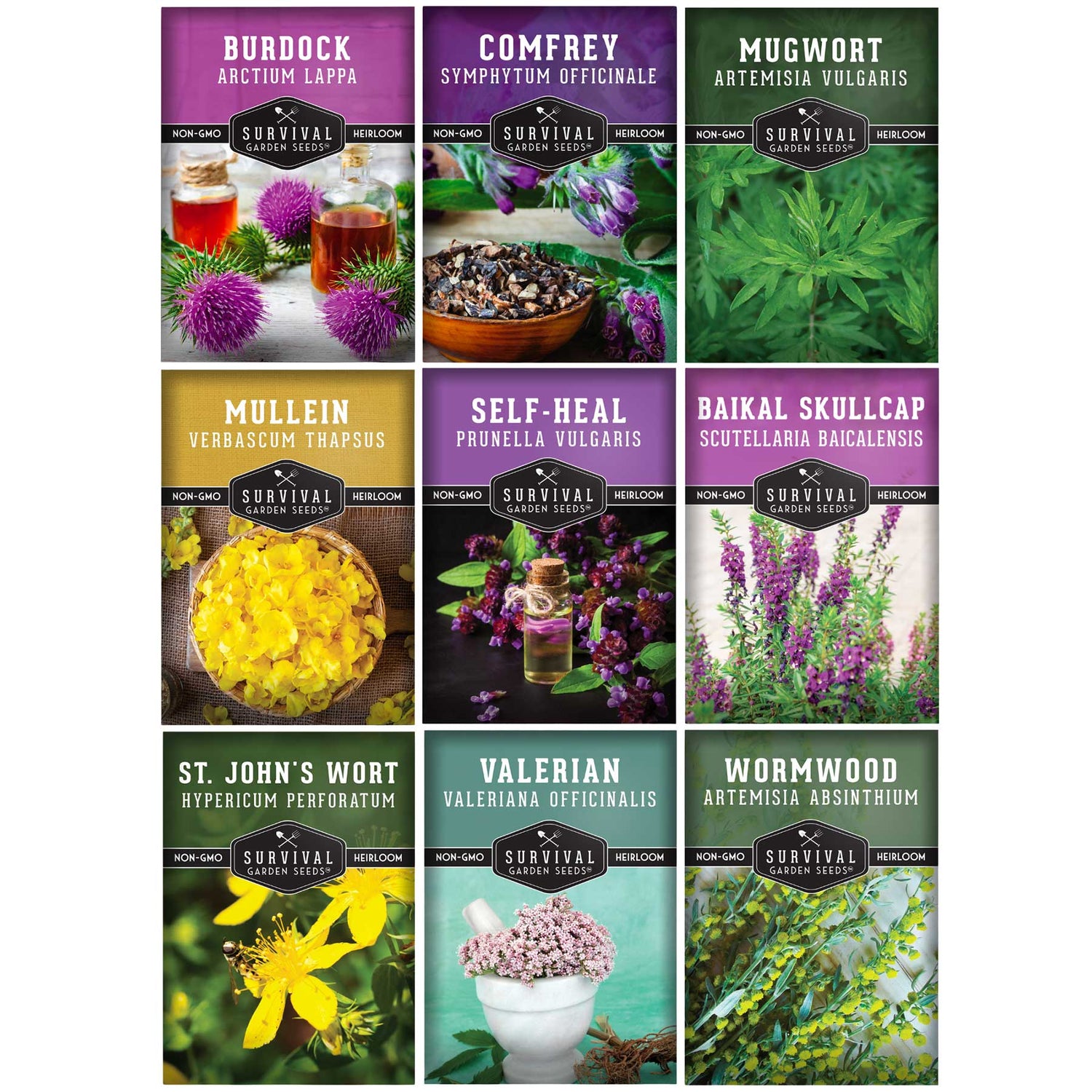
This set includes nine heirloom varieties selected for vigor, diversity, and medicinal value. Together, they form the foundation of a lasting, resilient herb garden that matures beautifully over time. Perfect for homesteaders, herbalists, and serious gardeners seeking depth beyond standard starter mixes.
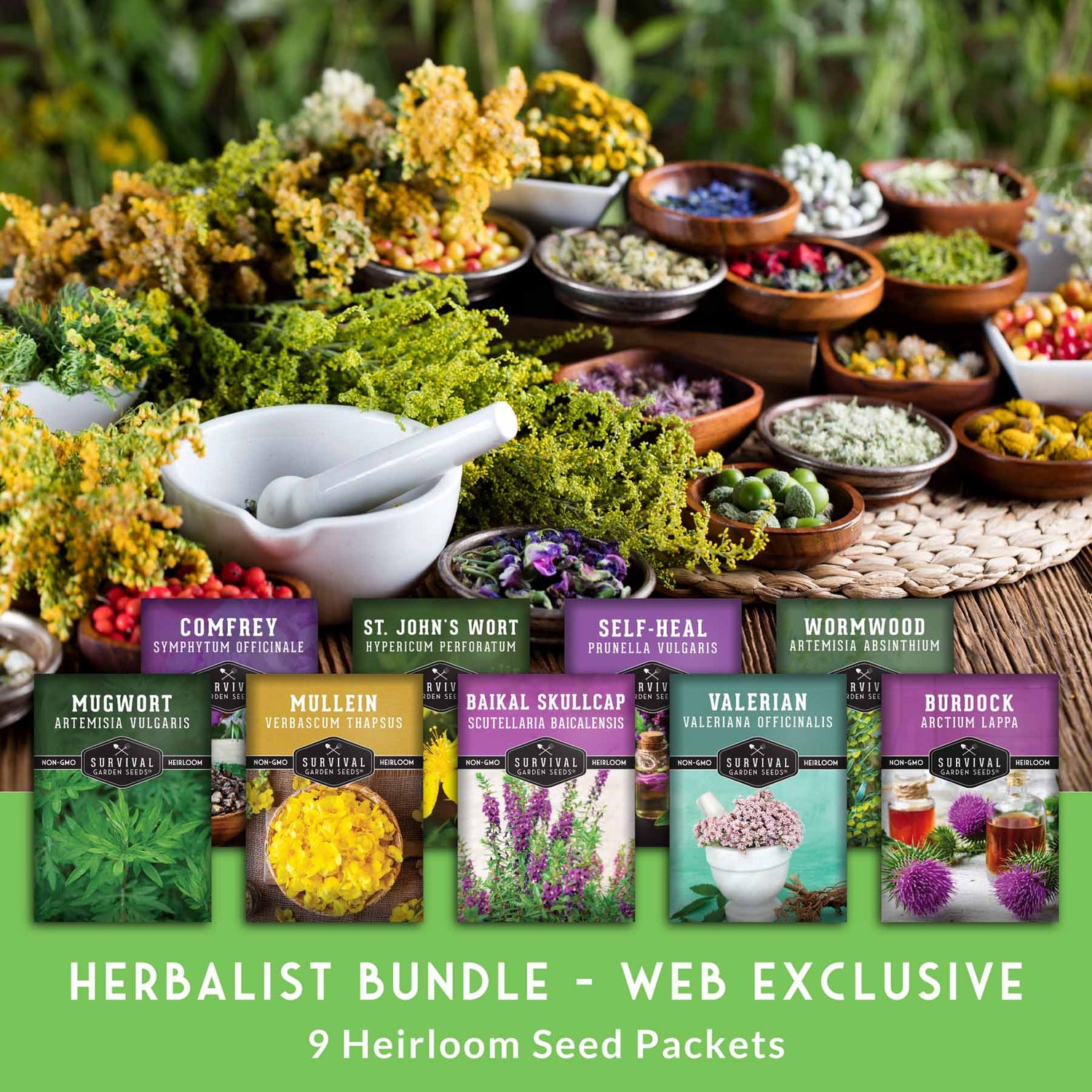
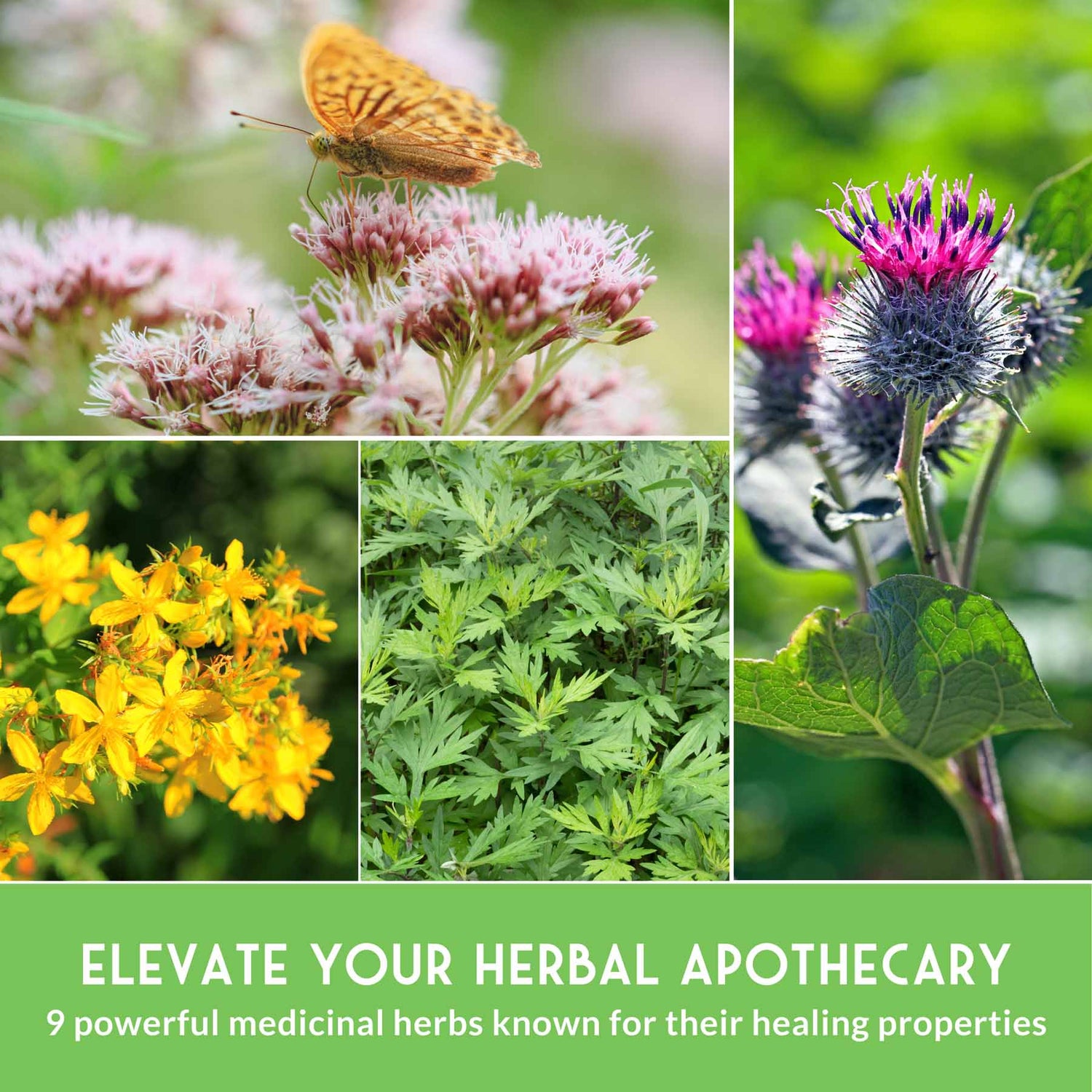
- Burdock (Arctium lappa) – This biennial plant can be grown as both an herb or a vegetable for its deep taproot. It is traditionally used to support liver health, detoxification, and skin health.
- Comfrey (Symphytum officinale) – A fast-growing, resilient perennial with roots, leaves, and flowers used traditionally in herbal medicine. It's also a beneficial herb around the homestead, enriching compost, suppressing weeds, and serving as food for livestock.
- Mugwort (Artemisia vulgaris) – Mugwort is a perennial herb that survives even in drought conditions. It has been traditionally used as a medicinal herb to make tincture, extract, nerve tonic, herbal tea, powder, and essential oil, especially in Chinese Traditional Medicine
- Mullein (Verbascum thapsus) – This biennial plant produces towering stalks with soft, velvety leaves. It is traditionally used for respiratory support.
- Self-Heal (Prunella vulgaris) – This hardy perennial herb, also known as All-Heal, Heal-All, and Woundwort, is a low-growing plant that makes a good groundcover, with purple blooms that delight pollinators. Self-heal is best known for its traditional uses in skin and wound support.
- St. John's Wort (Hypericum perforatum) – This cheery midsummer bloomer produces an abundance of bright yellow flowers. Used in herbalism for centuries, St. John’s Wort’s medicinal properties are most sought after for its potential mood-lifting benefits.
- Valerian (Valeriana officinalis) – A tall perennial herb with fragrant, pale pink to white blooms. Valerian root has been used traditionally to promote relaxation and support restful sleep.
- Wormwood (Artemisia absinthium) – Known for its silvery-green, aromatic foliage, Wormwood is a hardy, drought-tolerant herb. It has a long history in digestive tonics and is famously associated with absinthe. Take care when planting as it can be aggressive in the garden.
- Baikal Skullcap (Scutellaria baicalensis) – A.K.A. Chinese Skullcap, this medicinal herb has violet-blue flowers and plays an important role in Traditional Chinese Medicine (TCM). Not to be confused with American Skullcap, its roots are traditionally used to support liver function, aid detoxification, and help balance inflammatory responses.
Why Gardeners Choose the Herbalist Bundle:
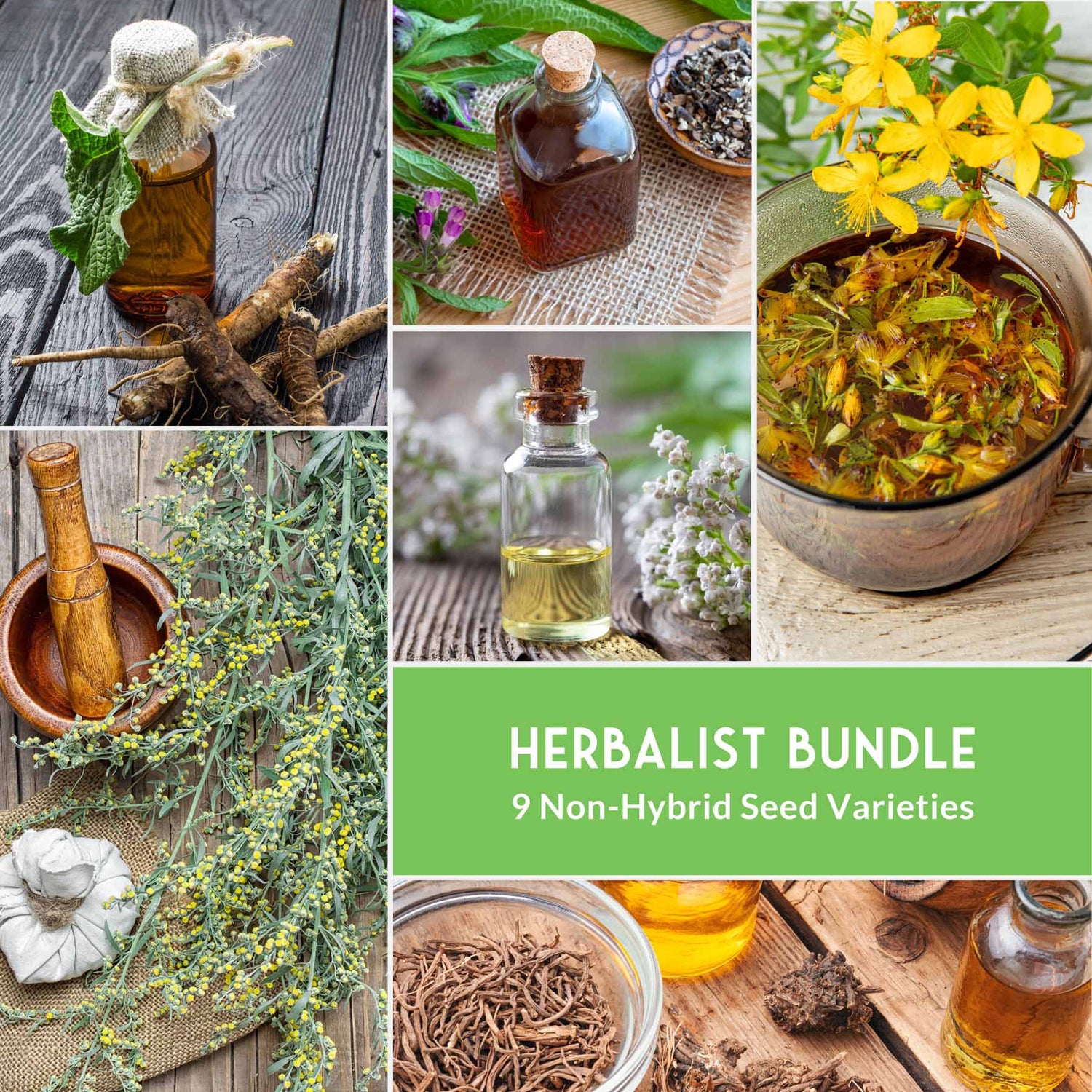
- Nine heirloom medicinal herbs for teas, tinctures, and salves
- Long-lived perennials and biennials for sustainable, self-reliant gardens
- Traditional varieties valued for herbal wellness and resilience
- Suited for USDA Zones 3–9; ideal for apothecary, cottage, and permaculture gardens
- A thoughtful upgrade from beginner herb kits—crafted for serious growers
How to Grow:
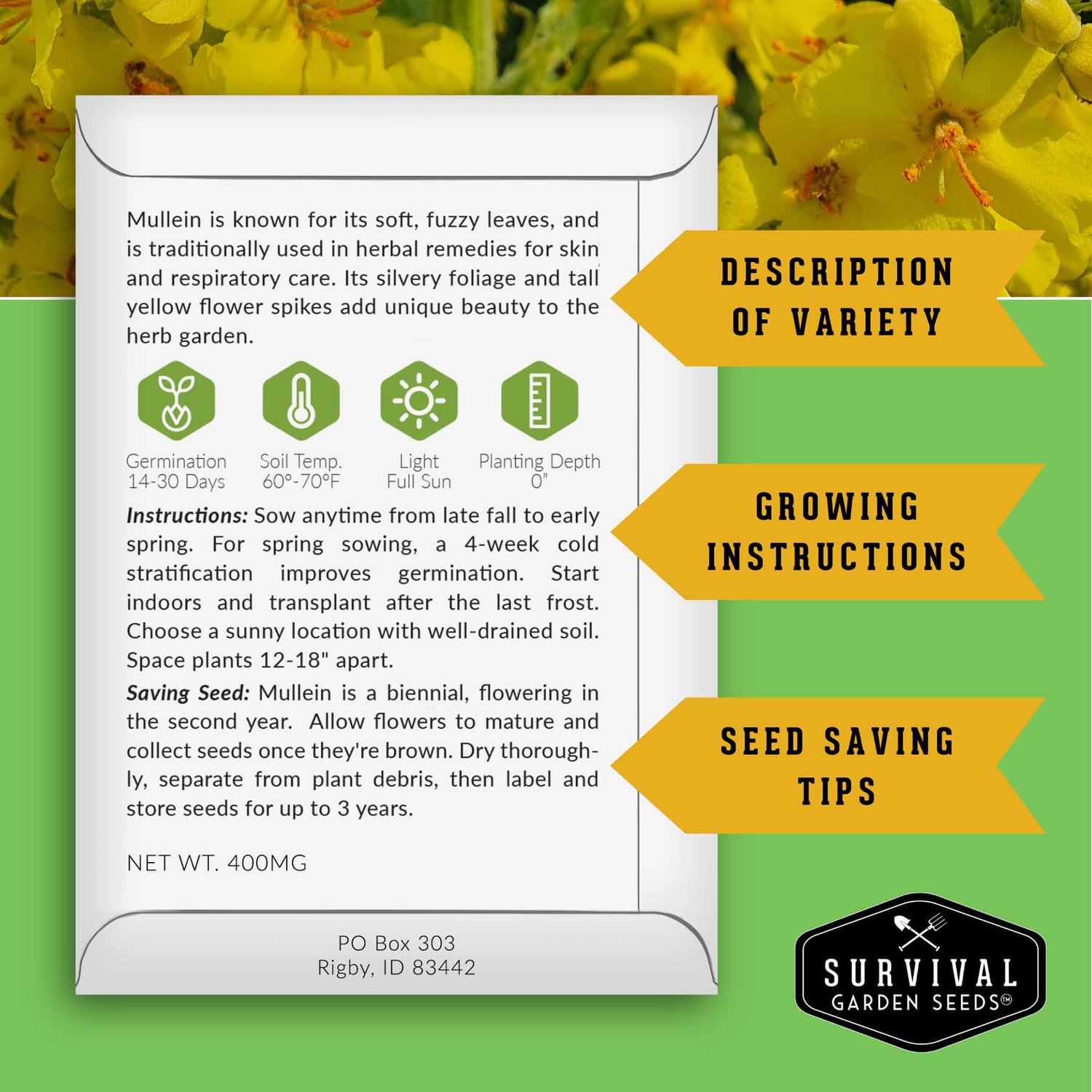
Start seeds indoors 6–10 weeks before your last frost or direct-sow outdoors after frost risk passes. Sow shallowly (about 1/8 inch) in moist, well-drained soil. Expect varied germination times of 14–30 days; some species benefit from 2–4 weeks of cold stratification in the refrigerator. Provide full sun and patience—many herbs take a full season to establish and reach maturity in their second year. Manage spreading varieties like mugwort or wormwood in containers or by deadheading.
Harvest & Use:
Harvest leaves once plants are well established, typically mid to late summer. Roots and flowers are best collected in the second year for biennials and slower-growing perennials. Dry, infuse, or blend your harvests to create traditional teas, tinctures, and salves for home herbal use.
Herbalist Bundle – 9-Varieties of Heirloom Perennial & Biennial...
Heirloom Garden Seeds
All of our seeds are open-pollinated, non-GMO, heirloom varieties with tested germination rates
Payment & Security
Payment methods
Your payment information is processed securely. We do not store credit card details nor have access to your credit card information.
Learn more about the Herbalist Seed Bundle

Grow a Wellness Garden

Use Medicinal Herbs Responsibly
Why Choose Survival Garden Seeds
At Survival Garden Seeds, we believe in preparing today for tomorrow’s peace of mind. That’s why we offer only heirloom, non-GMO, and untreated seeds you can trust to nourish your family and support a sustainable lifestyle. As a family-owned American company, we’re committed to providing seeds that grow strong and true—helping you cultivate health, resilience, and beauty in your garden.
Frequently Asked Questions
Are your seeds heirloom and open-pollinated?
Are your seeds heirloom and open-pollinated?
Yes. All of our seeds are heirloom, open-pollinated varieties, which means they can produce seeds that grow true to type and are suitable for seed saving.
You can learn more about open-pollinated, heirloom, and non-GMO seeds in our Survival Garden Training blog.
Are your seeds non-GMO?
Are your seeds non-GMO?
Yes. All Survival Garden Seeds are 100% non-GMO. Our seeds are open-pollinated heirloom varieties and are never genetically modified.
Are your seeds treated with chemicals?
Are your seeds treated with chemicals?
No. Our seeds are completely untreated and free from chemical coatings, fungicides, or synthetic treatments.
How do I know my seeds are fresh?
How do I know my seeds are fresh?
Every seed packet includes a packed-for date, and we germination-test each seed lot before packaging to ensure high viability.
What is the shelf life of your seeds?
What is the shelf life of your seeds?
Most seeds remain viable for 3 to 5 years or longer when stored properly in a cool, dry place away from light and moisture.
In what USDA hardiness zones can I grow your seeds?
In what USDA hardiness zones can I grow your seeds?
Our varieties are selected to grow successfully across USDA Hardiness Zones 3 through 10. Each packet includes variety-specific planting guidance and germination tips.