

Bee balm is one of those plants that does it all. It brings bright color to your garden, attracts pollinators, and even has a long history of herbal use.
You might know it as Monarda, wild bergamot, or simply the plant that hummingbirds can’t stay away from. No matter the name, this is a plant worth growing. In this guide, we’ll walk through what bee balm is, how to choose the right type, and how to grow it successfully.
What Is the Bee Balm Plant?
Bee balm is part of the Monarda family, a group of flowering plants in the mint family. It’s native to North America and has been growing in wild areas for centuries.
Characteristics of bee balm flowers
Bee balm flowers are easy to recognize. They grow in round clusters with thin petals that spread out like a burst of color.
Depending on the type, flowers can be:
- Red
- Pink
- Purple
- White
Plants usually grow 2 to 4 feet tall and bloom from mid-summer into early fall.
Why is bee balm popular in home gardens
Gardeners love bee balm because it fills a gap in the growing season. When early flowers fade, bee balm starts to bloom. It’s also easy to grow and doesn’t need much care once established. This makes it a great choice for beginners.
Bee balm vs wild bergamot (naming explained)
The names can be confusing at first.
- Bee balm often refers to Monarda didyma (usually red flowers)
- Wild bergamot refers to Monarda fistulosa (usually purple flowers)
People often use the names the same way, but the plants do have some differences.
Key features of the Monarda plant
All Monarda plants share a few traits:
- Square stems
- Fragrant leaves
- Spreading root system
- Strong scent when leaves are crushed
This scent helps attract pollinators and can even help deter some pests.
Types and Varieties of Bee Balm
There are many types of bee balm, and each has its own strengths.
Common bee balm flower varieties
Some popular options include:
- ‘Jacob Cline’ → bright red, strong and reliable
- ‘Marshall’s Delight’ → pink, compact growth
- ‘Raspberry Wine’ → deep red tones
- ‘Petite Delight’ → smaller size, great for small spaces
These varieties give you options based on your garden size and style.
Differences between wild bergamot and cultivated types
Wild bergamot is more rugged. It handles dry conditions and poor soil better.
Cultivated types often have:
- Brighter flowers
- More compact growth
- Better disease resistance
Choose based on your growing conditions.
Color variations and their characteristics
Different colors bring different benefits:
- Red → attracts hummingbirds strongly
- Pink → works well in smaller gardens
- Purple → blends naturally in wildflower spaces
- White → adds contrast
Mixing colors can create a more dynamic garden.
Choosing the right variety for your garden
Start by looking at your space:
- Small garden → choose compact varieties
- Dry conditions → go with wild bergamot
- Humid areas → choose mildew-resistant types
Matching the plant to your conditions makes everything easier.
Bee Balm Uses in Gardening and Landscaping
Bee balm is more than just a pretty plant.
Using bee balm as a pollinator plant
Bee balm is one of the best plants for pollinators.
It attracts:
- Bees
- Butterflies
- Hummingbirds
Planting in groups helps attract even more visitors.
Role in native and wildflower gardens
Wild bergamot fits perfectly in native gardens. It grows well with other wildflowers and doesn’t need much care. This makes it ideal for low-maintenance landscapes.
Companion planting with bee balm
Bee balm pairs well with:
- Coneflowers
- Black-eyed Susan
- Phlox
- Ornamental grasses
These combinations create a balanced and healthy garden.
Decorative and landscaping uses
Bee balm works in many garden styles:
- Cottage gardens
- Flower borders
- Natural landscapes
It also makes a great cut flower for indoor arrangements.
Benefits of Bee Balm for Plants and Wildlife
Bee balm supports more than just your garden’s appearance.
Attracting bees, butterflies, and pollinators
A single plant can bring in many pollinators each day. This improves pollination and supports your whole garden.
Supporting biodiversity in gardens
Bee balm helps support beneficial insects that control pests. This creates a more balanced garden environment.
Natural ecosystem benefits
It helps improve soil and supports plant diversity. Adding native plants like bee balm strengthens your local ecosystem.
Long-term sustainability advantages
Once established, bee balm requires very little input. It comes back each year and spreads naturally. This reduces the need for extra work or resources.
Bee Balm as a Medicinal and Herbal Plant
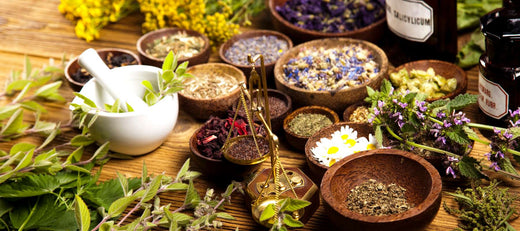
Bee balm has a long history of herbal use.
Traditional uses of wild bergamot
It was used for:
- Teas
- Skin support
- General wellness
It became especially popular as a tea substitute in early America.
Parts of the plant used (leaves, flowers)
Both leaves and flowers are used.
They contain natural compounds that give the plant its scent and benefits.
Common herbal applications
Bee balm is often used as:
- Herbal tea
- Skin support in simple preparations
- Aromatic plant for comfort
It’s easy to use and beginner-friendly.
Safety and responsible use
Bee balm is generally safe in normal use.
Still, it’s best to:
- Use in moderation
- Avoid if you have sensitivities
- Choose clean, untreated plants
When in doubt, start small.
Growing Conditions and Care Overview
Bee balm is easy to grow if you meet a few basic needs.
Ideal soil and environmental conditions
Bee balm prefers:
- Full sun
- Well-drained soil
- Moderate moisture
Good airflow helps prevent common issues.
Watering and maintenance basics
Water regularly when plants are young. Once established, water during dry periods. Deadheading flowers can encourage more blooms.
Managing plant growth and spread
Bee balm spreads through its roots. Divide plants every few years to keep them healthy. Remove extra growth if needed to control the spread.
Seasonal care considerations
A simple routine works best:
- Spring → clean up old growth
- Summer → enjoy blooms and water as needed
- Fall → cut back or leave for winter interest
This keeps plants strong year after year.
Making Bee Balm Part of Your Garden
Bee balm is one of the easiest ways to bring life into your garden.
It adds color, supports pollinators, and offers useful benefits with very little effort. Start with a few plants in a sunny spot and see how they grow. Once established, they’ll continue to return and expand, making your garden more vibrant each season.
If you’re looking to build a garden that’s both beautiful and beneficial, bee balm is a simple and rewarding place to start.


