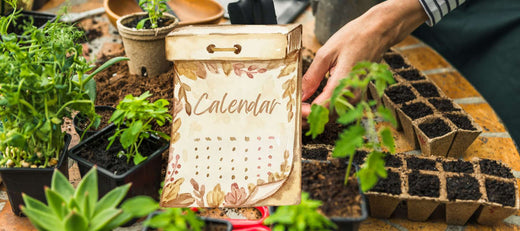


January is not a month typically associated with gardening, but in reality, there are plenty of people that can get started with their spring garden. It all depends on your USDA growing zone. While frozen ground and frost limit the outdoor planting in colder areas, gardeners in milder climates, or those using some simple protection, can still plant several crops and dormant plants outdoors. Understanding your growing zone can help you avoid wasted seeds and give you a head start on gardening season.
Why USDA Growing Zones Matter in Winter
USDA plant hardiness zones are determined based on the average lowest winter temperature. That winter temperature affects whether soil is frozen, workable, or biologically active. January planting is usually realistic in zones 7-10 and also possible with some protection in zones 6-7. Outdoor planting is usually impractical in zones 3-5 because the soil is frozen solid or due to extended hard freezes. However, that doesn’t mean that growers in zones 3-5 have to sit idle. There is still some planting you can do!
Garlic: A Cold-Hardy Winter Staple
Garlic is a cold-hardy allium that is traditionally planted in the fall for harvest the following summer. If you didn’t get your garlic in the ground during the fall in zones 7-10, you can still plant it in January with good results. In zone 6, you may plant garlic with a thick layer of mulch for protection. In zones 3-5, it’s better to wait until fall.
Onions and Shallots: Planted When Dormant

Onions and shallots are usually planted as dormant sets. An onion set is a small, immature onion bulb grown the previous season and replanted to produce a full-sized onion quickly. These can be planted outdoors in January in zones 7-10. It is also possible in zone 6 with some frost protection. In zones 3-5, outdoor planting of onions isn’t possible, but you can start onion seeds indoors for planting in early spring. Starting onions from seeds can provide some other advantages over starting from dormant sets. You can find a wider variety of onions, they are much less expensive, are fresh and disease-free, and some of the best long-storing onions are only available from seeds.
Peas: Cool-Weather Growers
Peas are often some of the first vegetables harvested from early spring gardens because they thrive in cooler temperatures. In zones 8-10, peas can be planted directly outdoors in January. In zone 7, planting is often successful in late January during mild winters. In zones 3-6, soil temperatures are usually too cold, and planting should be delayed or done with protection like a low tunnel.
Leafy Greens: Spinach, Kale, and Lettuce

Leafy greens like kale are among the most cold-tolerant crops. In zones 8-10, spinach, kale, and lettuce can be planted outdoors throughout January. In zones 6-7, success depends on frost protection like row covers or cold frames. In zones 3-5, outdoor planting in January isn’t recommended, but these greens can be started indoors or even grown in containers inside.
Root Crops: Carrots and Radishes
Root crops prefer cool soil but do need workable ground in order to germinate. In zones 8-10, carrots and radishes can be sown outdoors in January. In zone 7, it will depend on weather and soil conditions. Zones 3-6 will have to wait until the weather warms and soil thaws enough to be workable.
Bare-Root Fruit Trees and Berry Plants
Because fruit trees and berry bushes go dormant in winter, it is a great time to plant them. In zones 6-10, January is one of the best times to plant bare-root trees and berries like apples and blueberries. In zones 3-5, the soil may be too frozen to plant in January, so you will need to wait until late February or early March.

Cold Protection Extends Your Planting Window
If you want to get an early start with your spring gardening, protective measures such as mulch, frost cloth, row covers, and cold frames can moderate soil temperatures and protect plants from freeze damage. These tools are especially helpful in zones 6-7 during January where gardeners can mimic warmer-zone conditions.
What If You Live In a Cold Climate?
If you live in a cooler area like zones 3-5, January is a good time to start planning your garden, stratifying seeds that need a little extra attention, and starting slow-growing seeds indoors. It’s a great time to browse seed catalogs and order bare-root plants.
January planting isn’t about pushing limits blindly, it’s about working within your climate. By understanding your USDA zone and respecting the limitations of your weather, you can make smart planting choices. Whether you’re planting outdoors now, or preparing for spring, informed winter gardening sets the stage for a more successful growing season.


