
New England Aster Seeds – Native Perennial Wildflower for Fall Color and Pollinator Gardens
Heirloom - Non-GMO - Reliable Germination
New England Aster Seeds – Native Perennial Wildflower for Fall Color and Pollinator Gardens - 1 Packet is backordered and will ship as soon as it is back in stock.
Couldn't load pickup availability

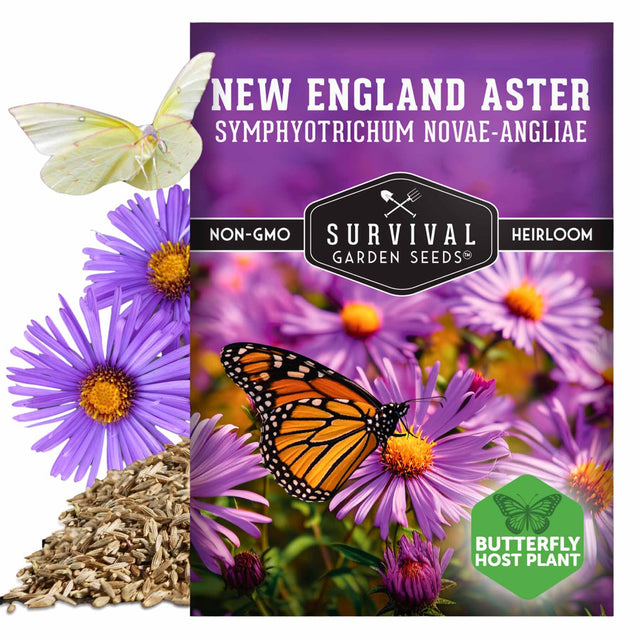
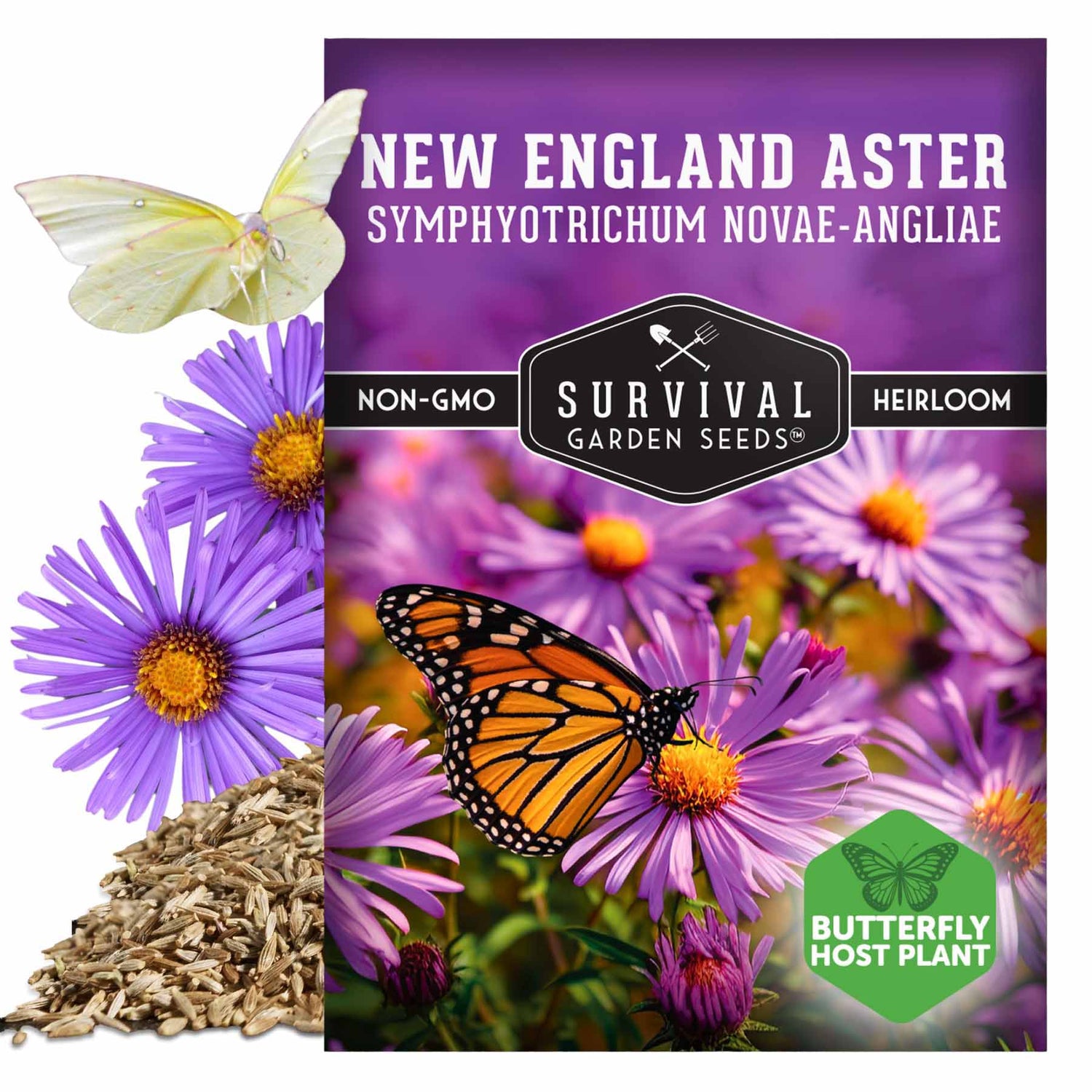
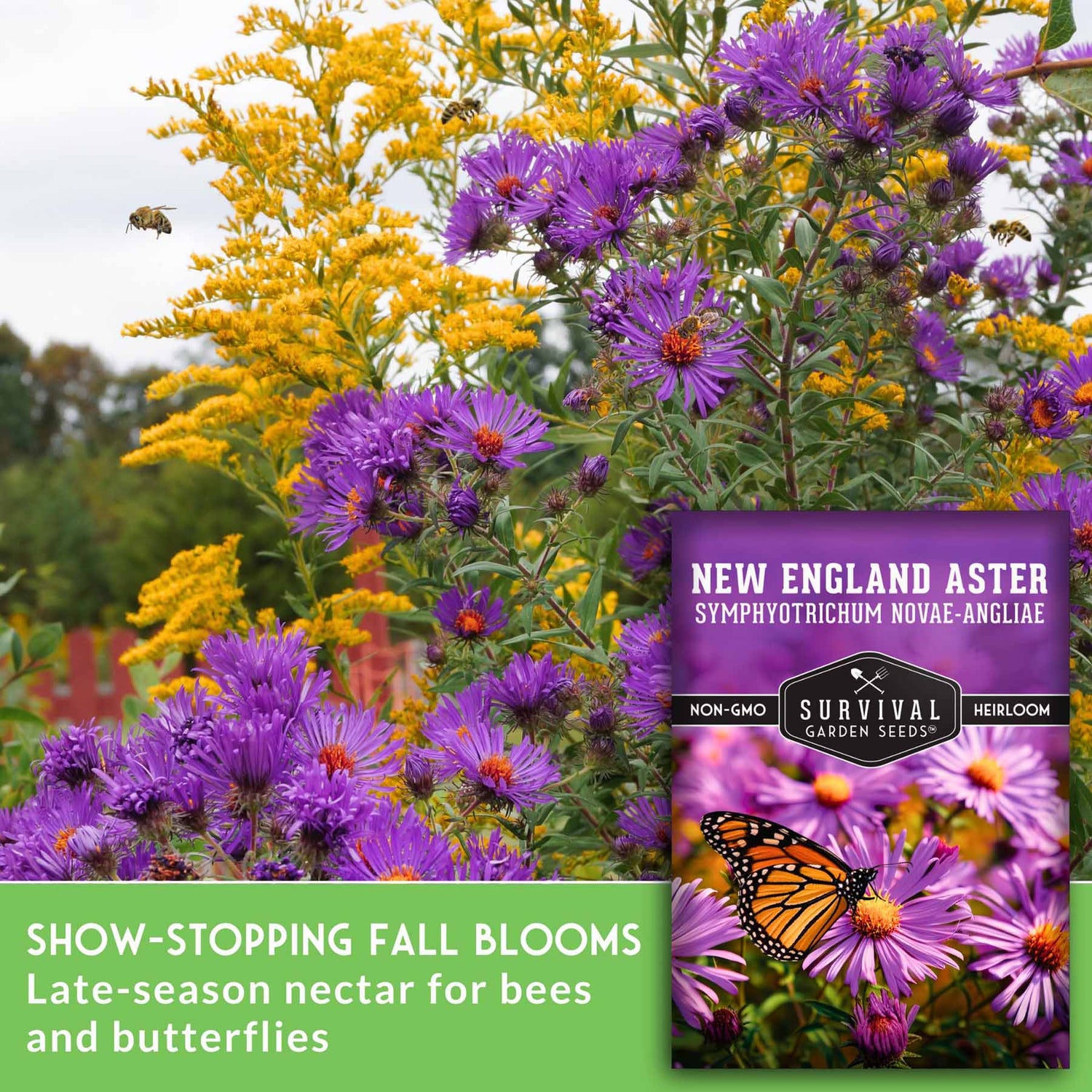
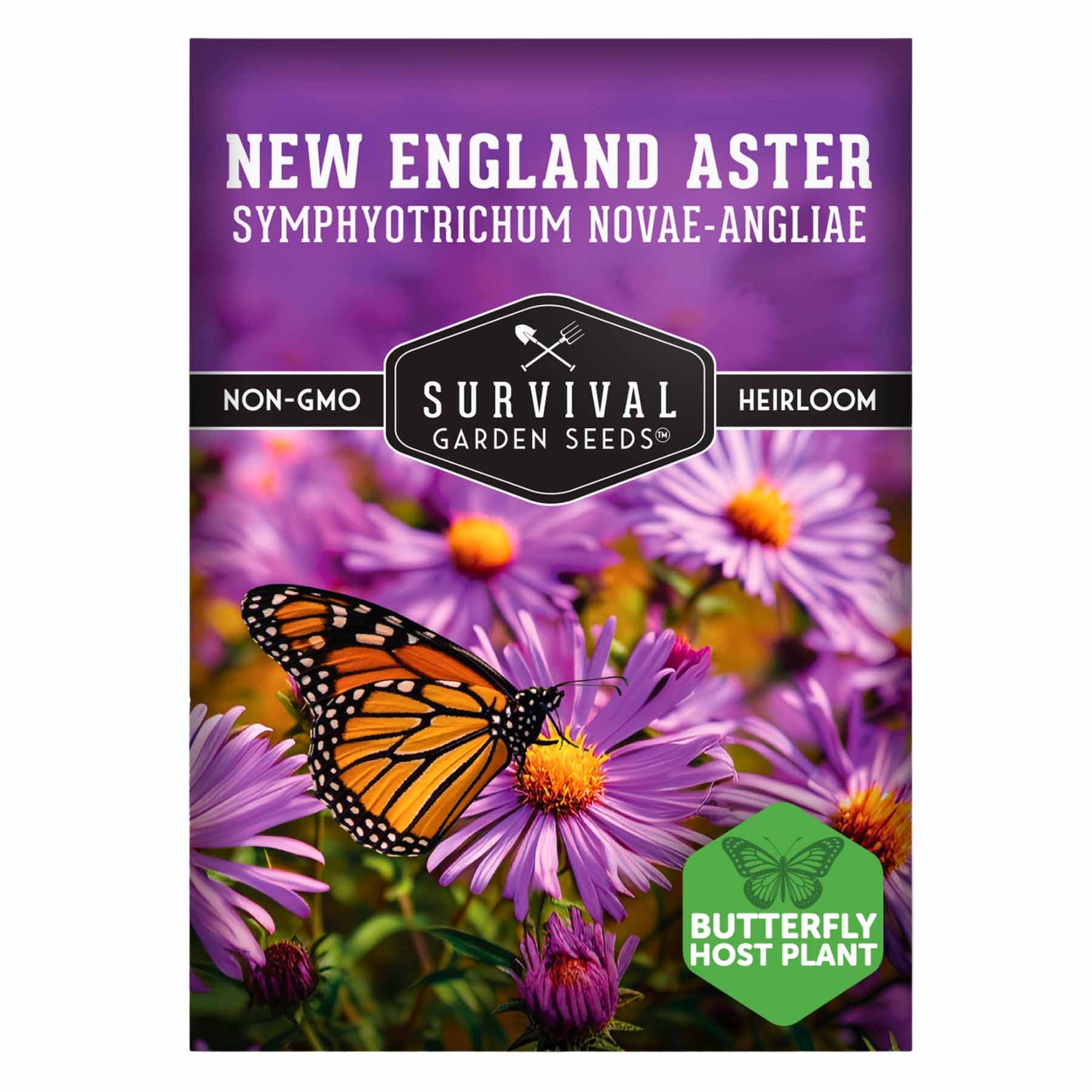
New England Aster Seeds produce a striking native perennial known for its abundant pink to purple blooms that light up the garden from late summer through fall. As other flowers fade, this North American wildflower becomes a vital nectar source for migrating monarchs, butterflies, and native bees. Its bold height, dense flower clusters, and ecological value make it a standout choice for pollinator gardens and naturalized landscapes.
Bold Late-Season Blooms with Native Resilience:
- Grows 3–6 feet tall with masses of daisy-like flowers
- Blooms from late summer through first frost
- Pink to purple flowers create dramatic, natural displays
- Native from Canada through the southern United States
Why Customers Love New England Aster:
- Provides critical late-season nectar for monarchs and other pollinators
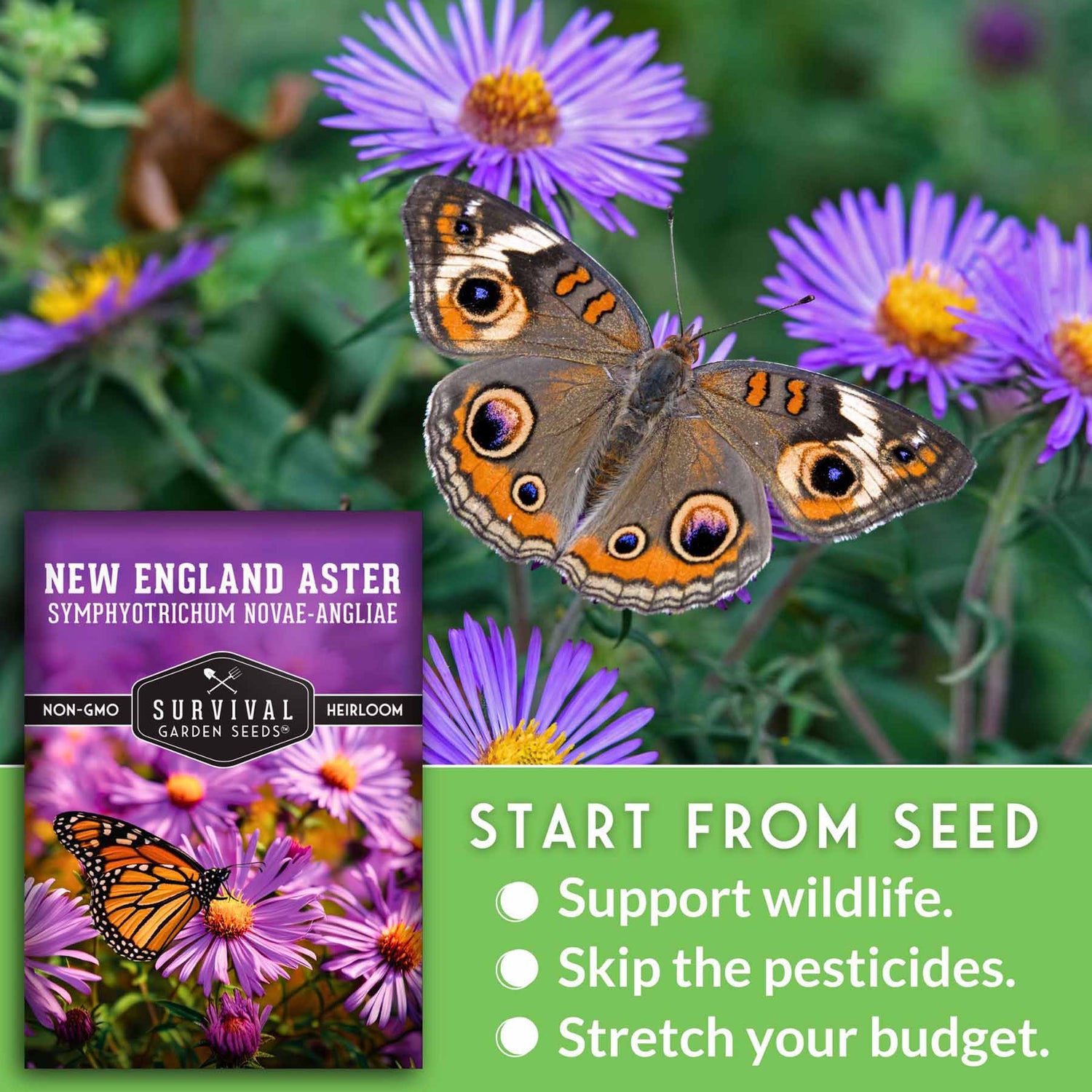
- Serves as a larval host plant for Pearl Crescent and Checkerspot butterflies
- Adds height, color, and structure to native and ornamental gardens
- Deep-rooted perennial that becomes drought tolerant once established
- Low-maintenance performance after establishment
How to Grow and Care:
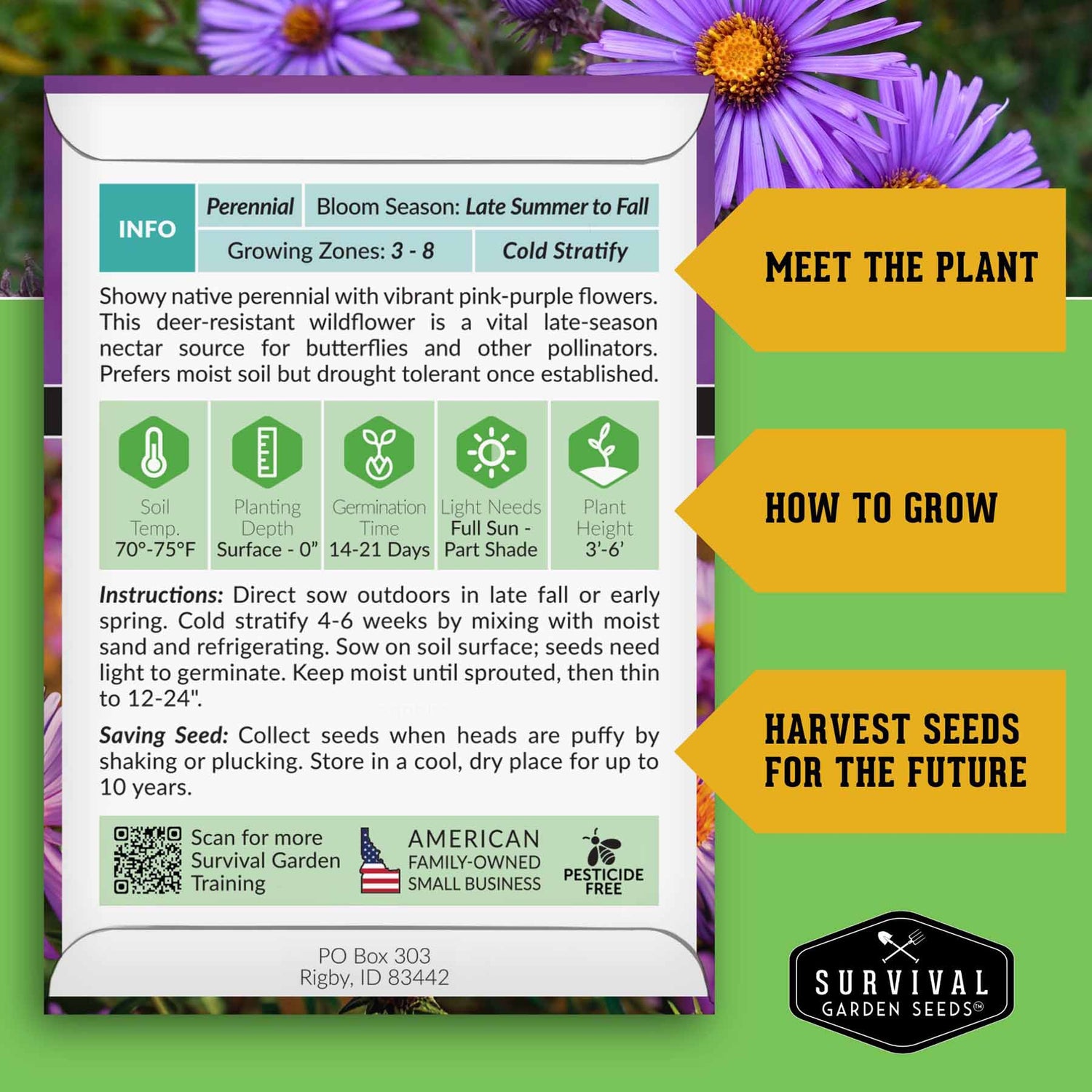
New England Aster adapts well to a wide range of soils, from clay to sandy conditions, and prefers full sun to partial shade. While it favors moist soils, its deep roots allow it to handle dry periods once established. Plants typically take a couple of growing seasons to reach full maturity, after which they thrive with minimal care. Cold stratification is recommended to improve germination success; follow the included growing guide for best results.
New England Aster Seeds – Native Perennial Wildflower for Fall Colo...
Heirloom Native Plant Seeds
All of our seeds are open-pollinated, non-GMO, heirloom varieties with tested germination rates
Specifications
Specifications
-
Botanical Name
-
Seasonality
-
Planting Zones
-
Light
-
Soil Temp for Germination
-
Germination Time
-
Planting Depth
-
Plant Size
-
Growing Instructions
-
Seed Saving Instructions
-
Seed Count (approximate)
Payment & Security
Your payment information is processed securely. We do not store credit card details nor have access to your credit card information.

Native Perennials Are Worth The Wait!
Native perennials may not bloom in their first year. When planted from seeds, perennials put almost all of their energy into establishing strong, healthy root systems in the first year of growth. In the second year, you should see larger plants and some blooms. After the third year, you will be able to enjoy a bounty of beautiful blooms. Trust us! It will be worth the wait!
Cold Stratification Aids Germination
-
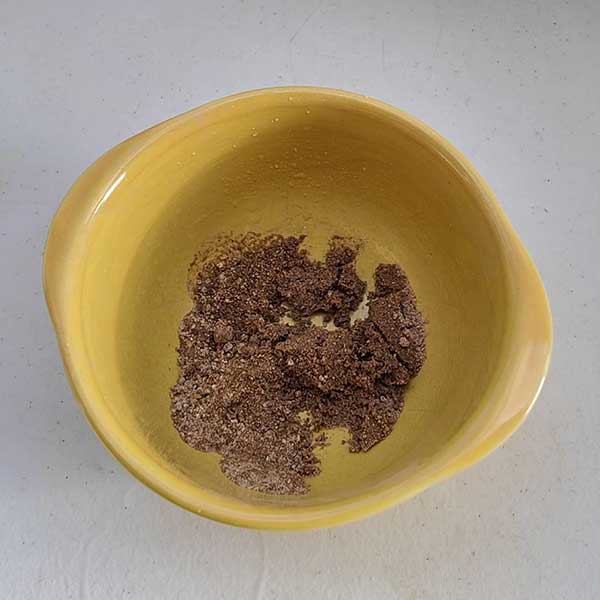
Step 1
Lightly moisten some clean sand. Make sure it is not too wet.
-
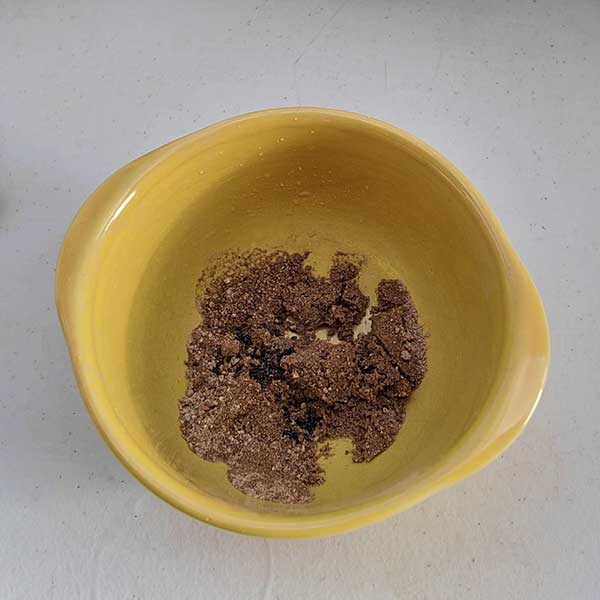
Step 2
Mix your seeds with the moist sand.
-
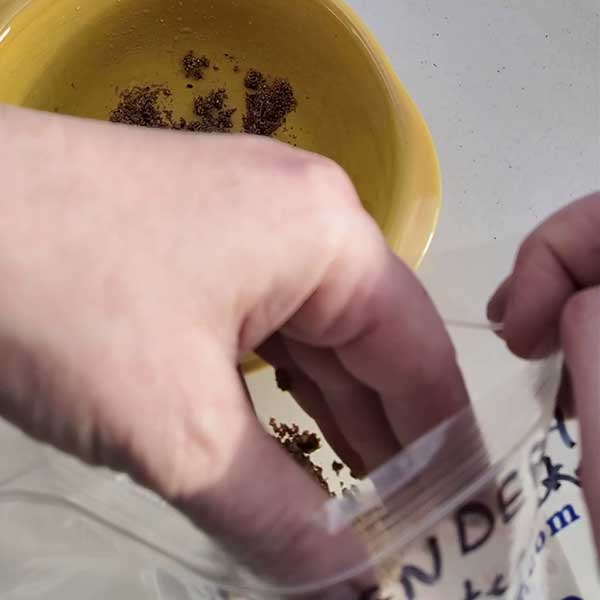
Step 3
Store your sand in an airtight container like a zip-top bag. Make sure to label and date your container.
-
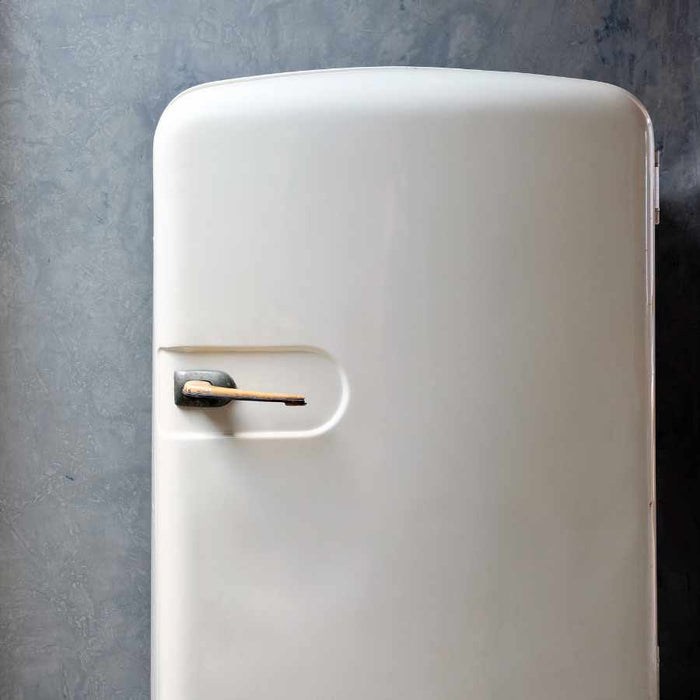
Step 4
Refrigerate your sand and seeds for 2 to 4 weeks (or more, depending on the information on your seed packet)
Support Native Habitats
- Supports Local Ecosystems and Biodiversity: Native plants are uniquely adapted to the local climate and soil conditions, forming the foundation of healthy ecosystems. They provide essential food, shelter, and breeding grounds for a wide array of native wildlife, including pollinators like bees and butterflies, birds, and beneficial insects, which helps to maintain and enhance local biodiversity.
- Requires Less Maintenance and Resources: Once established, native plants typically require significantly less water, fertilizer, and pesticides compared to non-native ornamental plants. Their deep root systems improve soil health and water penetration, reducing runoff and erosion, and their natural resistance to local pests and diseases minimizes the need for chemical interventions, saving time, money, and environmental impact.
- Contributes to Climate Resiliency and Conservation: By supporting a healthy native plant community, you are helping to create more resilient landscapes that can better withstand the impacts of climate change, such as extreme weather events. Growing native plants also plays a crucial role in conserving local plant genetics, preserving the natural heritage of a region, and providing critical habitat corridors for wildlife facing habitat loss.
- Detailed Growing Information: Paper seed packets include clear planting instructions, germination tips, and seed-saving info, great for beginner or experienced gardeners growing vegetables, herbs, flowers, or native plants.
- Trusted USA Seed Company: Family-owned business providing heirloom, non-GMO, open-pollinated seeds; always fresh, untreated, rigorously tested, and expertly packed for long-term storage and gardening success across all experience levels
Frequently Asked Questions
Are your seeds heirloom and open-pollinated?
Are your seeds heirloom and open-pollinated?
Yes. All of our seeds are heirloom, open-pollinated varieties, which means they can produce seeds that grow true to type and are suitable for seed saving.
You can learn more about open-pollinated, heirloom, and non-GMO seeds in our Survival Garden Training blog.
Are your seeds non-GMO?
Are your seeds non-GMO?
Yes. All Survival Garden Seeds are 100% non-GMO. Our seeds are open-pollinated heirloom varieties and are never genetically modified.
Are your seeds treated with chemicals?
Are your seeds treated with chemicals?
No. Our seeds are completely untreated and free from chemical coatings, fungicides, or synthetic treatments.
How do I know my seeds are fresh?
How do I know my seeds are fresh?
Every seed packet includes a packed-for date, and we germination-test each seed lot before packaging to ensure high viability.
What is the shelf life of your seeds?
What is the shelf life of your seeds?
Most seeds remain viable for 3 to 5 years or longer when stored properly in a cool, dry place away from light and moisture.
In what USDA hardiness zones can I grow your seeds?
In what USDA hardiness zones can I grow your seeds?
Our varieties are selected to grow successfully across USDA Hardiness Zones 3 through 10. Each packet includes variety-specific planting guidance and germination tips.