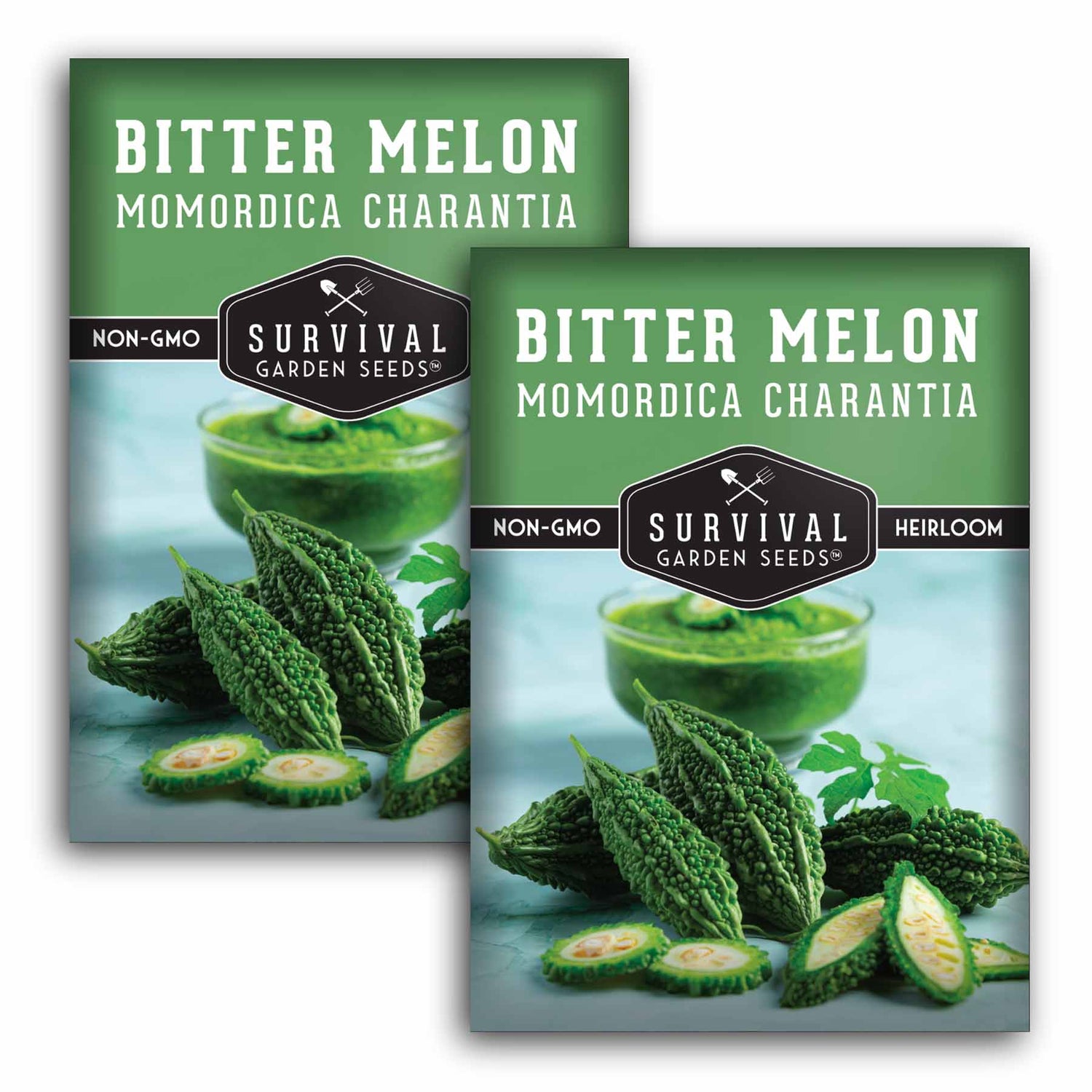
Bitter Melon Seeds (Momordica charantia) – Heirloom Tropical Bitter Gourd for Warm-Season Gardens
Bitter Melon Seeds (Momordica charantia) – Heirloom Tropical Bitter Gourd for Warm-Season Gardens - 1 Packet is backordered and will ship as soon as it is back in stock.
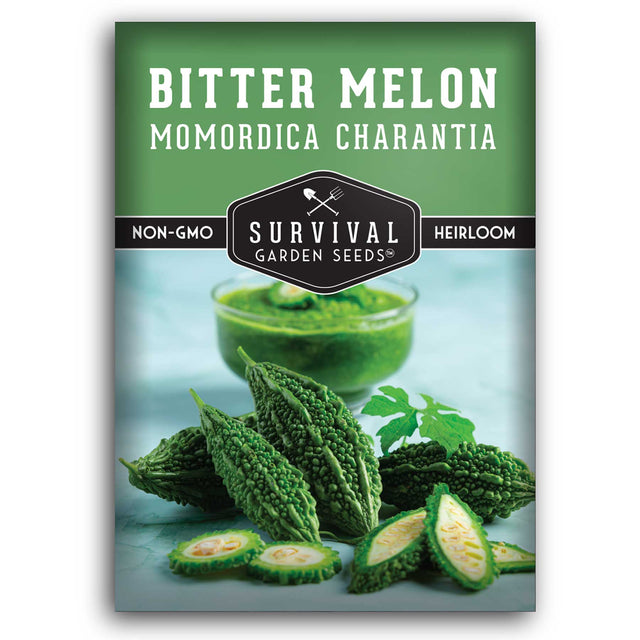
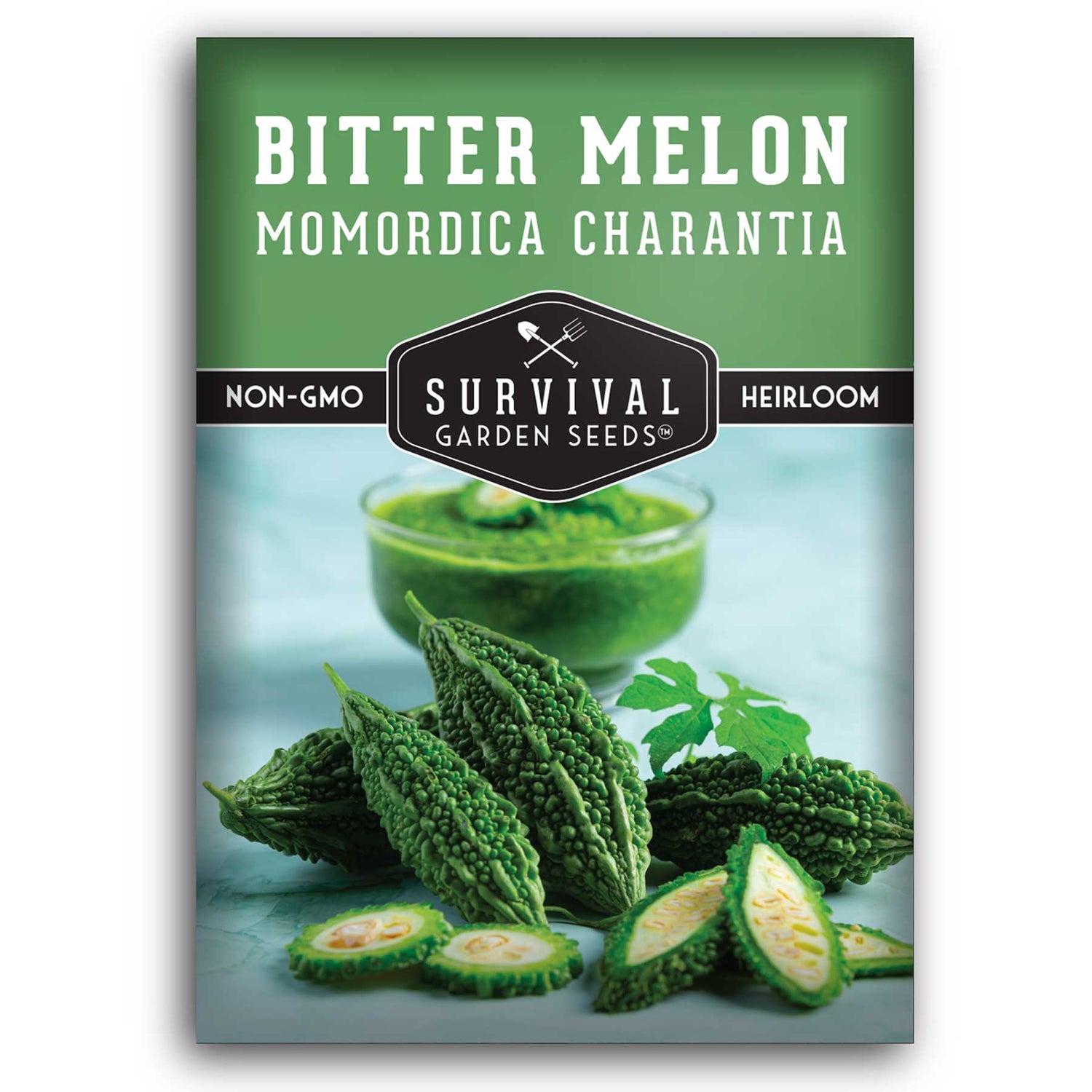
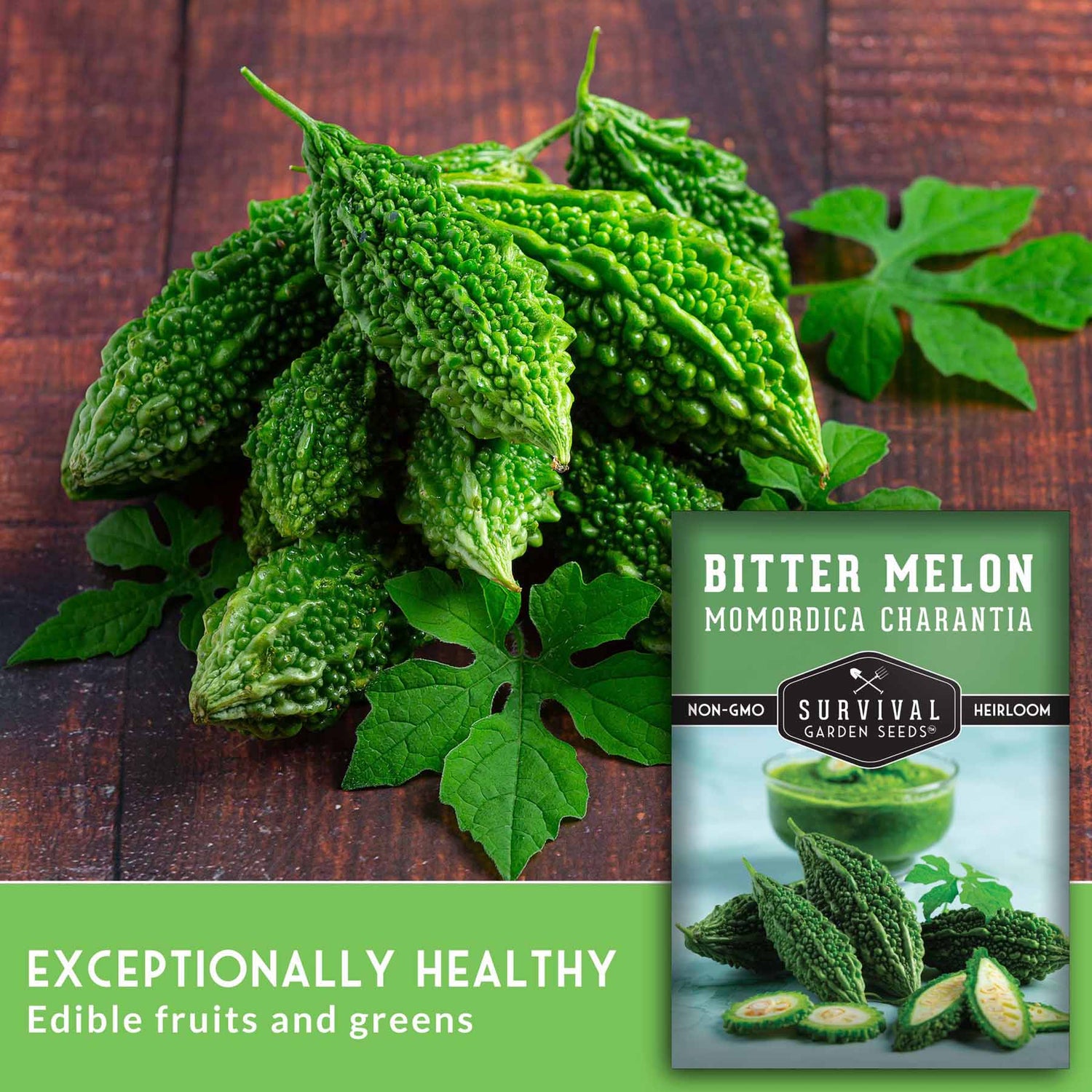
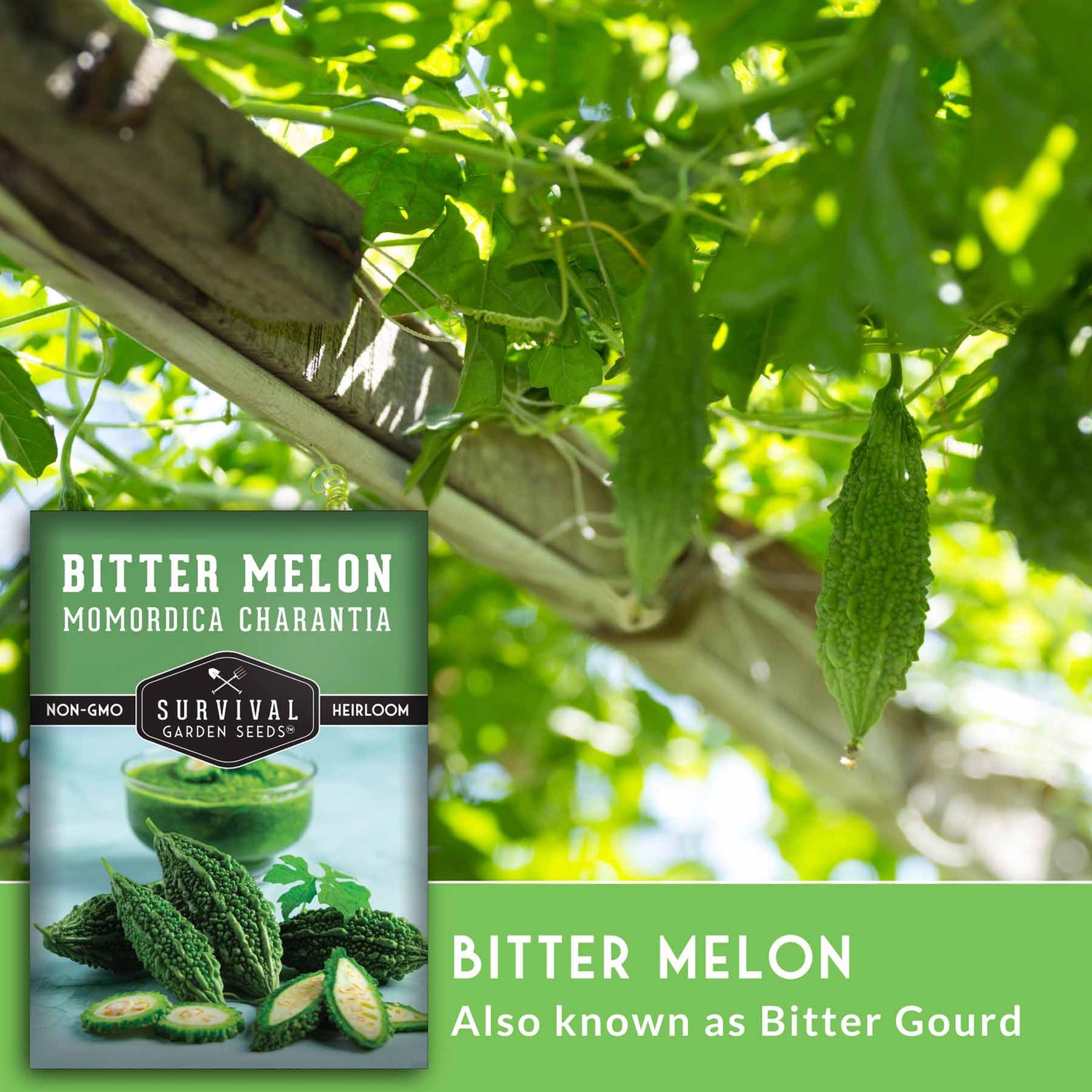
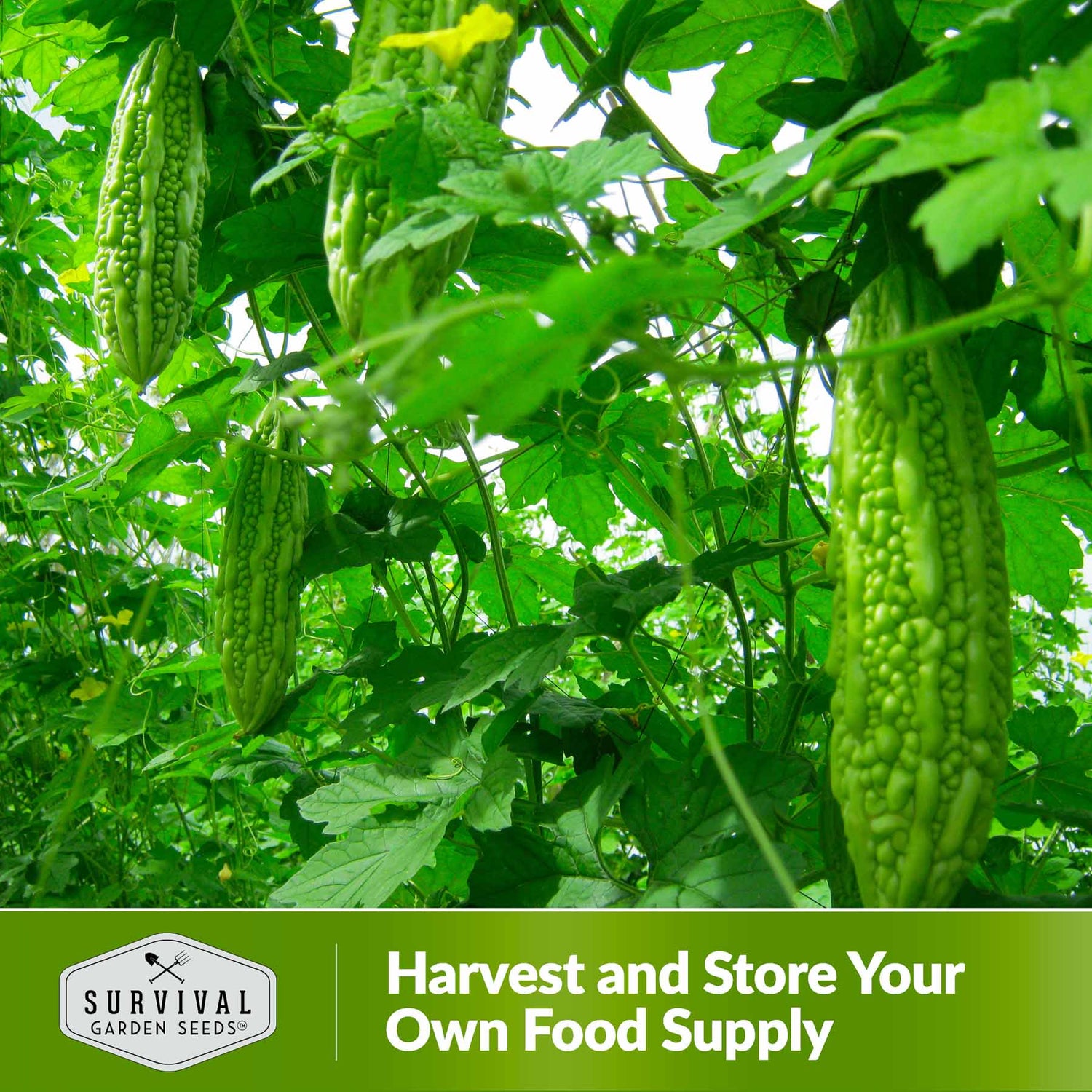
Grow a productive and culturally important vegetable with Bitter Melon Seeds (Momordica charantia). Also known as bitter gourd, karela, ampalaya, balsam pear, or bitter apple, this tropical to subtropical heirloom is widely used in Indian, Chinese, Japanese, Thai, and other Asian cuisines. The fast-growing vines produce an abundance of green, cucumber-shaped fruits with distinctive warty skin and tender flesh, typically harvested between 5 and 12 inches long.
Bitter melon thrives in hot, humid conditions and rewards gardeners with substantial yields when given full sun and proper support. In addition to the fruit, young shoots and tender green leaves are also edible and commonly used in traditional cooking.
Vigorous Growth and Heavy Yields:
- Heat-loving vines well suited for tropical and warm-season gardens
- Produces abundant green, warty fruits with firm, tender flesh
- Excellent climber when grown on trellises or fencing
- Edible fruit, shoots, and young leaves for multiple culinary uses
Why Customers Love Bitter Melon:
- A staple crop for diverse Asian and international recipes
- High productivity from a single planting
- Unique flavor valued in traditional and medicinal cuisines
- Performs well when given warmth, sun, and vertical support
How to Use / How to Grow:
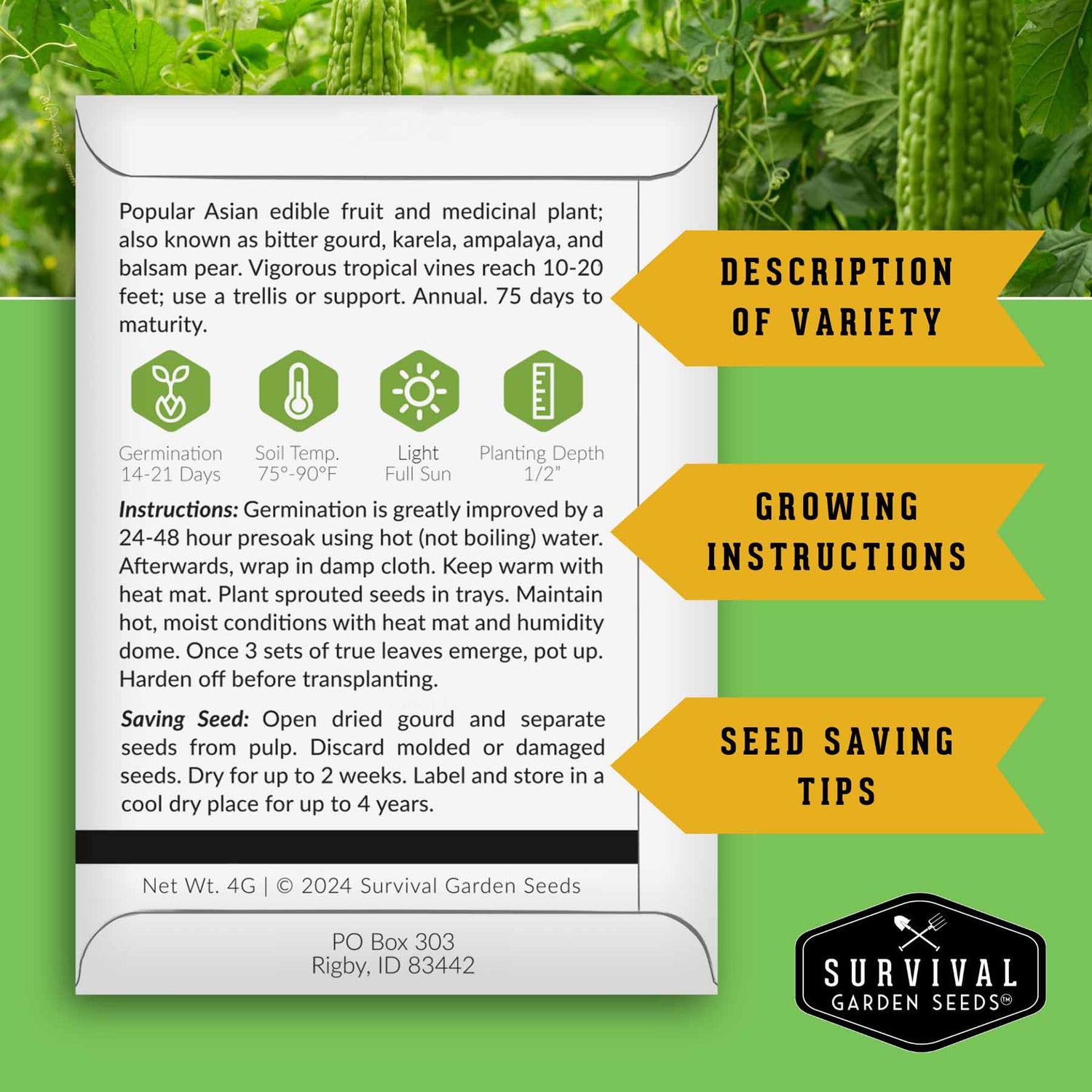
Bitter melon requires warmth and humidity for successful germination and growth. Soak seeds for 24–48 hours before planting to improve germination rates. For best results, wrap seeds in a damp cloth, place them in a sealed container, and keep them warm using a heat mat. Once sprouted, plant seeds in trays under a humidity dome to maintain consistent moisture and warmth.
Transplant seedlings carefully after they develop 2–3 sets of true leaves. Gradually harden them off before moving outdoors. Choose a location with at least 8 hours of full sun per day and provide a trellis or other support for climbing vines. Water regularly and protect plants from cool temperatures, especially early in the season. In cooler climates, starting seeds early indoors helps extend the growing season.
Learn More: How to Grow Bitter Melon
Net Wt. 4G

Bitter Melon Seeds (Momordica charantia) – Heirloom Tropical Bitter...
Heirloom Vegetable Seeds
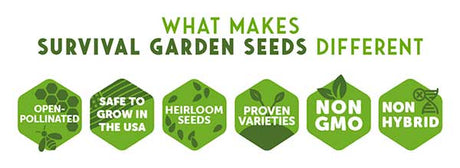
All of our seeds are open-pollinated, non-GMO, heirloom varieties with tested germination rates
Specifications
Specifications
-
Planting Zones
-
Light
-
Soil Temp for Germination
-
Germination Time
-
Planting Depth
-
Plant Size
-
Days to Harvest
-
Growing Instructions
-
Seed Saving Instructions
-
Approximate Number of Seeds Per Packet
Payment & Security
Your payment information is processed securely. We do not store credit card details nor have access to your credit card information.
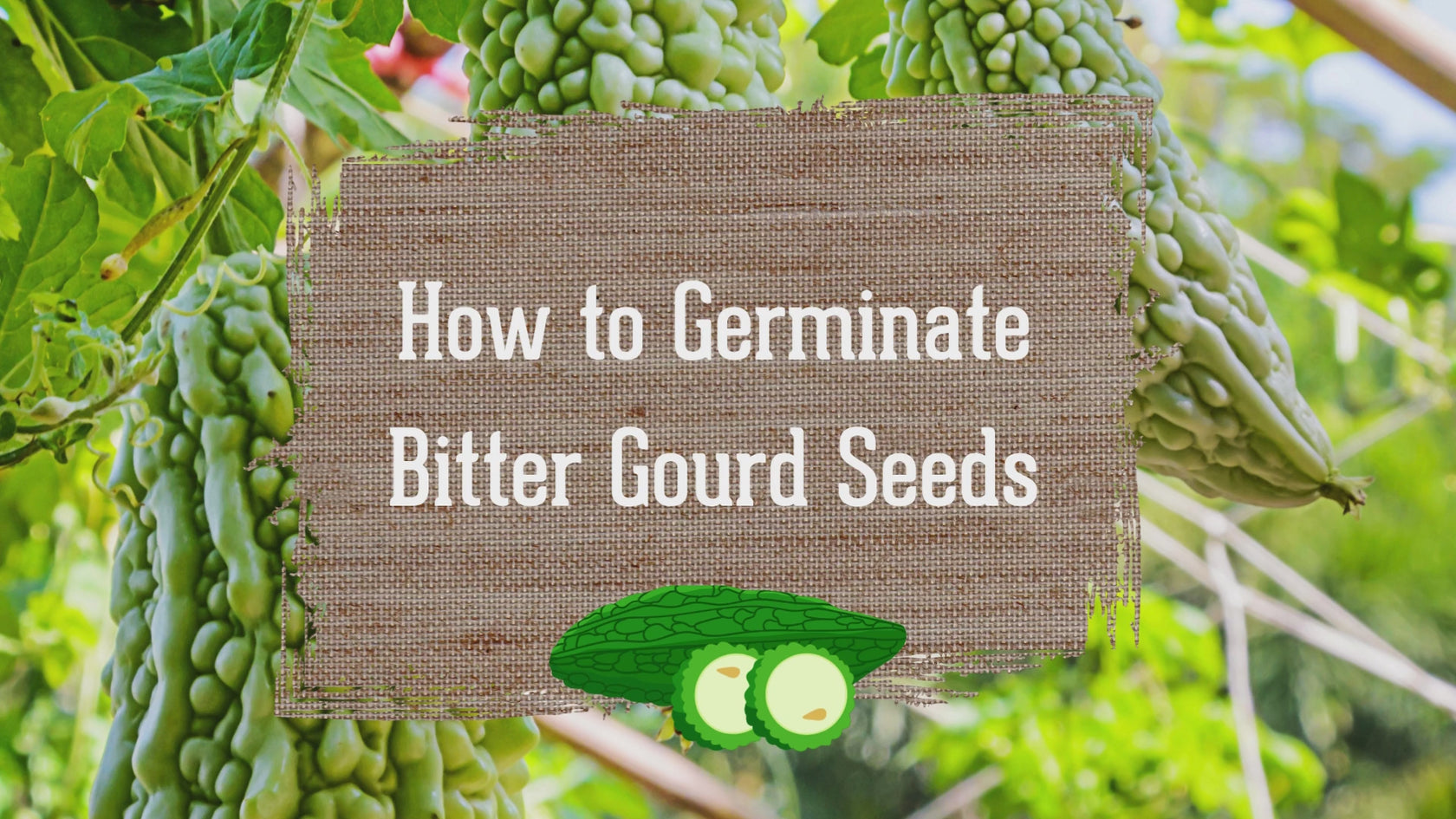
How to Germinate Bitter Melon Seeds
Bitter Melon can be challenging to germinate. Here's a method we found useful.

Why Choose Survival Garden Seeds
At Survival Garden Seeds, we believe in preparing today for tomorrow’s peace of mind. That’s why we offer only heirloom, non-GMO, and untreated seeds you can trust to nourish your family and support a sustainable lifestyle. As a family-owned American company, we’re committed to providing seeds that grow strong and true—helping you cultivate health, resilience, and beauty in your garden.
Frequently Asked Questions
Are your seeds heirloom and open-pollinated?
Are your seeds heirloom and open-pollinated?
Yes. All of our seeds are heirloom, open-pollinated varieties, which means they can produce seeds that grow true to type and are suitable for seed saving.
You can learn more about open-pollinated, heirloom, and non-GMO seeds in our Survival Garden Training blog.
Are your seeds non-GMO?
Are your seeds non-GMO?
Yes. All Survival Garden Seeds are 100% non-GMO. Our seeds are open-pollinated heirloom varieties and are never genetically modified.
Are your seeds treated with chemicals?
Are your seeds treated with chemicals?
No. Our seeds are completely untreated and free from chemical coatings, fungicides, or synthetic treatments.
How do I know my seeds are fresh?
How do I know my seeds are fresh?
Every seed packet includes a packed-for date, and we germination-test each seed lot before packaging to ensure high viability.
In what USDA hardiness zones can I grow your seeds?
In what USDA hardiness zones can I grow your seeds?
Our varieties are selected to grow successfully across USDA Hardiness Zones 3 through 10. Each packet includes variety-specific planting guidance and germination tips.
What is the shelf life of your seeds?
What is the shelf life of your seeds?
Most seeds remain viable for 3 to 5 years or longer when stored properly in a cool, dry place away from light and moisture.