

Explore the intersection of your gardening and culinary skills with edible flowers! Edible flowers turn your garden into something extraordinary, bridging the gap between beautiful and practical. These vibrant blooms add welcome splashes of color to your garden. They also bring unique flavors, nutritional benefits, and even traditional medicinal uses to your kitchen. From peppery nasturtiums to calming lavender, when you grow your own edible flowers, you always know they’re fresh, chemical-free, and (most importantly) right in reach.
Why Grow Edible Flowers?

Edible flowers aren’t on most people’s radar, but they deserve some space in your garden. They’re practical additions that have more than one use, and most are surprisingly easy to grow. Many varieties thrive in small spaces or containers, making them accessible even for apartment gardeners. Of course, you can use them in your cooking to add color, flavor, and texture to your dishes or drinks. Many of these flowers offer traditional wellness benefits. They also are good for your garden and make valuable companion plants that attract helpful pollinators.
How Edible Flowers Are Used
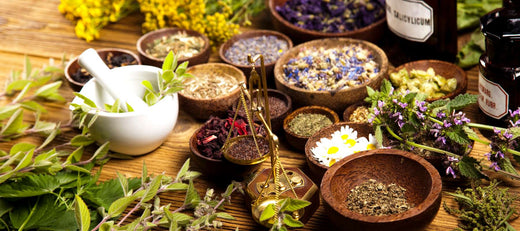
We created the Edible Flowers Seed Collection to pull together some of our favorite edible blooming plants. You may be content to simply enjoy the ornamental beauty of these flowers, but we invite you to look deeper. All of these varieties can serve a dual purpose. Edible flowers are incredibly versatile in the kitchen and beyond. Many are used fresh in salads, baked goods, and drinks, while others are dried for teas, infused oils, or herbal remedies.
Some common uses include:
- Garnishing salads, cakes, and cocktails
- Infusing teas, syrups, and honey
- Adding flavor to butter, oils, and vinegar
- Traditional herbal uses (calming teas, skin soothing, etc.)
Popular Edible Flowers
Let’s take a look at the seven varieties in our seed collection. We’ll explain how they’re useful, and give you some basic growing information for each one.
Nasturtium
Nasturtiums are an annual flower with a bold, peppery flavor similar to arugula or radish. The flowers and leaves are great in salads and sandwiches, while the seed pods can be pickled as a caper substitute. They are traditionally valued for their antimicrobial qualities.

Edible parts: Flowers, leaves, and seed pods
Planting time: Direct sow after the last frost. They can also be started indoors 2 to 4 weeks before the last frost.
Time to bloom: Nasturtiums typically bloom in 50 to 60 days from planting
Growing tips:
- Thrives in poor soil. Rich soil leads to fewer blooms.
- Grow in full sun to partial shade
- Fast-growing and beginner-friendly
Calendula (also known as Pot Marigold)
Calendula is an annual with petals that add color and mild flavor to soups, rice, butter, and teas. It is sometimes called “poor man’s saffron”. It is widely used in herbal salves and skin-soothing preparations.

Edible parts: Petals (avoid the bitter green base)
Planting time: Direct sow in early spring. Calendula can handle light frost. It is also great for fall planting in mild climates.
Time to bloom: Calendula typically blooms in 45 to 60 days from planting
Growing tips:
- Prefers cooler weather
- Grow in full sun
- Deadhead spent flowers for continuous blooms
Borage
Borage is an annual with flowers that have a refreshing cucumber-like flavor, perfect for salads, drinks, and ice cubes. Young leaves can also be used sparingly in cooking. Borage is traditionally associated with mood support and cooling properties.

Edible parts: Flowers and young leaves
Planting time: Direct sow after the last frost. Borage does not transplant well, so avoid starting indoors.
Time to bloom: Borage typically blooms in 50 to 70 days from planting
Growing tips:
- Fast-growing and self seeding
- Grow in full sun
- Excellent pollinator attractor
Pansy (Viola)
Pansies are typically grown as an annual, even though they are technically a short-lived perennial or biennial. Mild and slightly sweet, pansies are often used to decorate desserts, salads, and baked goods. They can also be candied. Pansies were historically used in herbal preparations for skin and respiratory support.

Edible parts: Entire flower
Planting time: Start indoors 6 to 8 weeks before the last frost. Transplant in early spring or fall.
Time to bloom: Pansies typically bloom in 60 to 85 days from planting
Growing tips:
- Prefers cooler weather
- Grow in full sun to partial shade
- Keep soil consistently moist
Lavender
Perennial lavender adds a floral, slightly sweet flavor to baked goods, teas, syrups, and infused sugar. It has long been used as a medicinal herb known for its calming and relaxation-supporting properties.

Edible parts: Flower buds (use sparingly - a little lavender goes a long way)
Planting time: Start indoors 8 to 10 weeks before the last frost. Cold stratification can help with germination. Transplant outdoors after the danger of frost has passed.
Time to bloom: Lavender is very slow growing and you may not get blooms in the first year. It often blooms more fully in the second year of growth.
Growing tips:
- Needs excellent drainage
- Grow in full sun
- Drought-tolerant once established
Chamomile
German Chamomile is an annual that is most commonly used for tea. It has a gentle, apple-like flavor and is traditionally used to promote relaxation and sleep.

Edible parts: Flowers
Planting time: Direct sow after the last frost or start indoors 4 to 6 weeks early.
Time to bloom: Chamomile typically blooms in 60 to 70 days from planting
Growing tips:
- Prefers full sun
- Grow in light, well-drained soil
- Self-seeds easily
Toothache Plant
For something a little unusual in your edible flower garden, you can include the Toothache plant. It is usually grown as an annual, but can be grown as a tender perennial in warmer climates. Toothache plant is famous for its surprising tingling, numbing sensation, and is often called the “electric daisy”. The flower buds are used sparingly in salads, cocktails, and herbal preparations. It is traditionally used for oral health, especially to help numb minor toothaches and support gum health.

Edible parts: Flowers (most commonly used), leaves (edible but more bitter)
Planting time: Start indoors 4 to 6 weeks before the last frost. Transplant outdoors after the danger of frost is passed. It can also be directly sown in warm soil.
Time to bloom: Toothache plant typically blooms in 60 to 75 days from planting
Growing tips:
- Prefers full sun
- Likes rich, well-drained soil
- Keep consistently watered (doesn’t like to dry out completely)
- Harvest flower buds regularly to encourage more blooms
When to Plant Edible Flowers for Continuous Blooms
To enjoy edible flowers all season long, stagger your planting times and choose a mix of cool-season and warm-season varieties. Flowers like pansies and calendula thrive in cooler temperatures, while nasturtiums, marigolds, and borage love the warmth of late spring and summer. Succession planting every few weeks can ensure a steady supply of fresh blooms for your kitchen.
Tips for Safely Growing and Using Edible Flowers
Not all flowers are edible, and even edible varieties must be grown safely. Always grow your own or source from trusted suppliers to avoid pesticides or chemicals.
Not all parts of a flower are always edible, even if the plant itself is. In many cases, the petals are the best-tasting and safest part to use, while stems, leaves, or the base of the flower may be bitter or undesirable.
Key safety tips:
- Avoid chemical pesticides and fertilizers
- Only eat flowers you can positively identify
- Avoid florist or store-bought flowers
- Wash gently before use
- Only use edible parts
Edible flowers are unique additions to your gardening. With just a small patch of space, or even a few containers, you can grow a colorful, productive flower garden that enhances your meals and supports your wellness. When you’re garnishing a salad, brewing a calming tea, or experimenting with new recipes with flowers from your own garden, it’s so satisfying to know that you brought your garden indoors to your table. Once you start growing edible flowers, you’ll open a world of possibilities for your garden and dishes.


