

Late winter is the perfect time to start planning and planting for the season ahead. Starting flowers indoors in winter gives you a valuable head start, especially for varieties that need a long growing season to truly shine. With a few trays, good light, and the right timing based on your last frost date, you can nurture sturdy seedlings that will be ready to burst into bloom as soon as spring arrives. Instead of waiting for warmer days, you can start growing your own vibrant color from seed in a sunny windowsill or under a simple grow light setup.
Why start flowers indoors in winter?

Winter seed-starting lets you “buy time” for flowers that need a longer growing season. Starting in February means earlier blooms, sturdier transplants, and more variety than you can find at a garden center. You’ll also spend less money. So clear away the winter doldrums by growing a bit of spring on a windowsill while it’s still cold outside.
Use your last frost date to build a simple sowing schedule
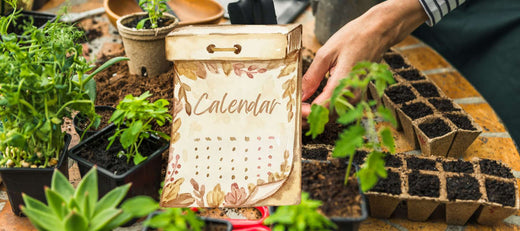
Optimal seed starting timing is typically calculated based on your local last frost date. You can find the timing on your seed packet stated as “X weeks before last frost date”. Our Seed Planting Calendar Tool can help you find the best flower planting times for your zip code. Knowing your last frost date will allow you to create a planting schedule that will give your seedlings plenty of time to be strong and ready to go outside when the weather warms up.
What you need for strong winter seedlings

The perfect indoor seed starting setup is pretty simple. You need clean containers with drainage, a good seed-starting mix (not potting soil or garden soil), consistent moisture, and enough light. Light can be one of the bigger challenges of indoor growing. Many flower seeds need light to germinate, so take care not to bury seeds too deeply. Also, without enough light, seedlings can become “leggy” and weak. Many gardeners have great success with simple shop lights or inexpensive grow lights. For heat-loving plants, a heat mat can aid in germination and growth.
The best flowers to start indoors in winter
Some flowers thrive when started early indoors, either due to their slow growth rate or because a head start leads to better blooms. Be sure to check your seed packet for the exact sowing date, but here is a general guide for some of the most popular varieties.
Start 10-12+ weeks before last frost (slow starters / long season flowers)
These varieties typically take longer to germinate or mature.
- Begonias
- Petunias
- Verbena
- Snapdragons
Start 8-10 weeks before last frost (classic indoor sow choices)
These flowers benefit from an earlier start.
Start 6-8 weeks before last frost (fast growers you don’t want to start too early)
These flowers can race ahead indoors; sowing later can mean stockier plants at transplant time.
Common winter seed-starting mistakes (and how to fix them)

Here are some common indoor seed-starting mistakes that don’t just apply to flowers. These issues can occur with any seed you start indoors.
Problem: Leggy seedlings - This is caused by not enough light or the light not being close enough to the seedling. They will appear tall and thin reaching for the light.
Solution: Increase the amount of light. If using grow lights, place them about 2-3 inches above your seedlings and raise the lights as the plants grow. You may also want to increase the duration of light. 12 to 16 hours is recommended for most seedlings.
Problem: Damping off - This is a fungal disease that attacks young seedlings. Symptoms include seedlings suddenly collapsing at the base of the stem, often right at the soil line, or seeds failing to germinate and rotting in the tray. The infected area may look pinched or water-soaked.
Solution: Make sure to water your seedlings from the bottom, but don’t leave them sitting in water for extended periods. Don’t overcrowd seedlings and ensure there is good airflow and drainage.
Problem: Poor germination - The causes of failed germination are many. It could be from sowing old seeds, sowing at the wrong depth or temperature, or simple impatience.
Solution: Make sure you are using quality, fresh seeds. Most importantly, read the instructions on the seed packet. Your seed packet should give clear instructions on the correct planting depth and germination temperature. Some seeds need a little extra care like cold stratification, soaking, or scarification to aid germination. Remember to be patient. Some flowers take several weeks to germinate.
Potting up and hardening off: how to transition seedlings to the outdoors
Once your seedlings have developed their first true leaves (not the initial seed leaves, or cotyledons) and the roots are starting to reach the edges of their starting cell, it's time to "pot up" into slightly larger containers. This gives the roots more room to grow and prevents the plants from becoming root-bound.
Before the final move outdoors, all seedlings must go through a process called "hardening off." About 7–10 days before your final target transplant date (which should be after your last frost date!), start gradually introducing your sturdy seedlings to outdoor conditions. Begin with an hour or two of filtered sunlight and protection from wind, increasing the time and sun exposure each day. This slow introduction to the elements is essential for preventing shock and ensuring your beloved flowers thrive when finally planted in the garden.
Make it personal: choose flowers based on your goals
When choosing which flowers to grow, make your decision based on your end goal.
- Want to attract pollinators? Choose nectar and pollen rich varieties like:
- Borage
- Zinnia
- Marigold
- Aster
- Want beautiful cut-flower bouquets? Choose long-stemmed flowers like:
- Zinnia
- Snapdragon
- Salvia
- Cosmos
- Want to plant blooming containers? Choose compact, lush blooming flowers like:
- Petunia
- Nasturtium
- Begonia
- Pansy
Your winter flower-starting checklist
To wrap up; here’s a quick checklist and some resources to help you with your winter flower seed starting:
- Find your local last frost date
- Choose the varieties of flowers you want to grow
- Prep your supplies - buy seeds, seed-starting mix, containers, and lights
- Sow by week counting back from your last frost date
- Give light, water and airflow
- Thin seedlings
- Pot up seedlings with true leaves
- Harden off
- Transplant outdoors
You can find your USDA Plant Hardiness Zone and frost dates with our Seed Planting Calendar tool.
Starting flowers indoors in winter gives you stronger, more resilient plants so you can enjoy a longer, more abundant bloom season. By choosing the right varieties, following a simple sowing schedule, and giving your seedlings the light and care they need, you’ll be rewarded with healthy transplants ready to thrive when spring finally arrives. A little effort during the quiet months can transform your garden into a vibrant display of color. There’s nothing more satisfying than knowing those blooms began with seeds you started yourself.


