


We’re at the beginning of the cold and flu season, so it’s natural to think about how we can keep our home and family healthy. During the seventeenth- and eighteenth-century French plague outbreaks herbalists created an herb-infused vinegar concoction that came to be known as Four Thieves Vinegar. While there is no one specific recipe, the combination of vinegar and aromatic herbs survives to this day as a preventative measure to help keep germs at bay.
We’ll look at the history of this vinegar infusion, how to make it, and some of the ways it can be used.
The Legend: Four Thieves and a Secret Herbal Vinegar
The legend and the name of this vinegar come from France, likely in Toulouse during the seventeenth century or Marseille during the plague of 1720. Legend has it that four thieves robbed plague victims, but mysteriously, they did not become ill themselves. They claimed that herbal vinegar protected them. There are many different versions and locations of the tale, so we don’t know how much of the original legend is true, but we do know that infused herbal vinegar has been used for centuries to help combat illness.
Traditional Uses and Modern Claims: What Can We Say?

Historical accounts describe the practice of rubbing aromatic vinegar on the body and others mention drinking it, but there is little formal evidence as to medical effectiveness. Vinegar is useful in both culinary and household applications and most of the herbs traditionally used in Four Thieves Vinegar contain anti-bacterial properties, so there may be some truth to the legend. However, keep in mind that it is a folk remedy, and shouldn’t be considered a true medicine or disinfectant.
And, if nothing else, Four Thieves Vinegar has some valuable culinary uses.
Meet the Herbs: Familiar Flavors from the Kitchen Garden
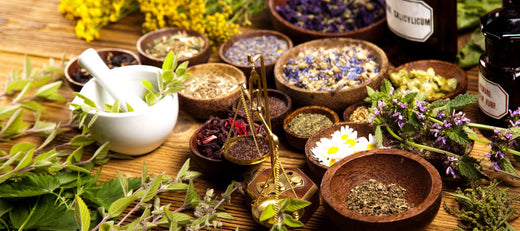
Here are some of the most commonly used ingredients for Four Thieves vinegar.
| Ingredient | Contribution to the Infusion | Traditional Health-Related Uses |
|---|---|---|
| Rosemary | Piney fragrance and a bold, savory flavor. | Traditionally used to ease indigestion, bloating, and mild digestive cramping. |
| Culinary sage | Earthy flavor that complements winter cooking. | Traditionally used for digestive discomfort and excessive sweating, and in gargles for sore mouths and throats. |
| Thyme | A warm herbal note that pairs well with garlic. | Traditionally used in herbal preparations for chesty coughs associated with colds. |
| Culinary lavender | Floral fragrance; use sparingly to avoid an overpowering flavor. | Lavender flowers have traditionally been used in teas and other preparations to ease mild stress and support sleep. |
| Garlic | A pungent, savory foundation. | Used in traditional medicine for infections and intestinal parasites, among other ailments. |
| Apple cider vinegar | Fruity acidity that carries the herbal flavors. | Vinegar broadly has a history of use in wound care and folk remedies. These traditions are not specific to apple cider vinegar. |
Traditional uses describe historical practices, not proven benefits of this homemade infusion. Herbal preparations vary in strength and composition. Four Thieves Vinegar is not established as an immune booster or disinfectant, and vinegar should not be used to treat wounds.
How to Make Four Thieves Vinegar

Here is a modern culinary adaptation of Four Thieves Vinegar.
Ingredients
- 2 cups commercially produced apple cider vinegar labeled 5% acidity. You can use filtered and pasteurized vinegar or raw vinegar for that extra immune boost
- 1 teaspoon dried rosemary
- 1 teaspoon dried culinary sage
- 1 teaspoon dried thyme
- ¼ teaspoon dried culinary lavender
- 2 small garlic cloves, peeled and lightly crushed
Method
- Prepare the equipment. Wash a heat-safe glass jar and the eventual storage bottle. Sterilize the glass containers in boiling water for 10 minutes. Use a clean, noncorrosive lid prepared according to its manufacturer’s instructions.
- Add the flavorings. Place the dried herbs and washed, dried garlic in the warm jar.
- Heat the vinegar. In a nonreactive saucepan, bring it to approximately 190°F, just below boiling. Pour it over the ingredients, keeping them submerged, and cover.
- Let the flavors develop. Cool promptly and refrigerate. Begin checking the flavor after about 10 days; infusions commonly develop over three to four weeks. Refrigeration is a conservative storage choice for this adaptation.
- Strain and bottle. Filter through a coffee filter or fine cheesecloth, discard the solids, and transfer to the prepared bottle. Cap and refrigerate.
- Label clearly. Include the ingredients, preparation date, and “Keep refrigerated.” If the flavor is too strong, add more of the original vinegar rather than water to the stored batch.
Long Term Storage

It is recommended that you refrigerate and use your flavored vinegar within three to four months. Keep the strained vinegar tightly sealed in a clean glass bottle. Don’t dilute the stored batch with water. Discard the whole batch if you notice mold, unexpected bubbling, new cloudiness, or sliminess. Those are all signs of spoilage.
Practical Uses for Your Finished Herbal Vinegar
Your fresh Four Thieves vinegar can be used to add flavor to vinaigrettes, marinades, bean dishes, or cooked vegetables. Mix some of the vinegar in with oil to create dressings, marinades, and sauces. Go slow; a little can go a long way. Herbs like garlic, rosemary, and lavender can result in some potent flavors in an infusion!
If you choose to take Four Thieves vinegar as a wellness tonic, use cautiously, as concentrated vinegar can irritate the digestive tract and erode tooth enamel. It is better to use small amounts mixed into food or substantially diluted.
As a household cleaner, it functions well as a natural, aromatic, all-purpose surface cleaner to cut through grime, grease and light residue. While the vinegar and several of the ingredients have some mild anti-bacterial properties, it doesn’t meet EPA standards as a disinfectant. You should never mix vinegar with bleach or other cleaning products.
From the Herb Garden to the Winter Kitchen
Craft some Four Thieves Vinegar and transform your backyard garden harvests into a multi-use kitchen staple. Each batch connects summer gardening efforts with winter household needs. Steep the fresh, aromatic cuttings to preserve their rich essential oils along with their robust culinary flavor profiles. Whether you use it to whip up a tangy salad dressing or wipe down countertops, you’ll be taking part in age-old herbal practices by making your own Four Thieves vinegar.


