

There’s something deeply satisfying about stepping into a garden that heals as much as it delights. An aromatherapy garden of thoughtfully planted fragrant herbs and flowers puts natural wellness within arm’s reach. Whether you have a sprawling backyard, a sunny border, or a cluster of pots on a balcony, growing your own aromatic plants connects you to a tradition of plant-based healing that stretches back thousands of years. We’ll walk you through six easy-to-grow herbs and flowers that earn their place in an aromatherapy garden, covering what they are good for and exactly how to get them growing.
What Is an Aromatherapy Garden?

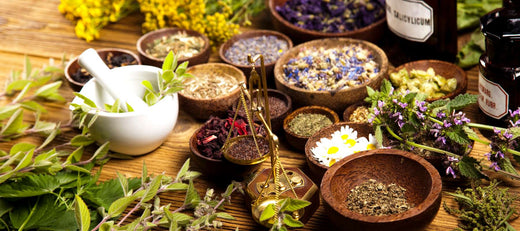
Aromatherapy uses plant scents and essential oils to boost your physical and emotional health, a practice used for thousands of years. You don’t need a lot of space or special gardening skills to start one. Just plant some fragrant, therapeutic herbs and flowers. You can use them fresh or dried to make soothing items like teas, sachets, tinctures, and infusions.
The Plants - Uses and Growing Guides
Each plant below has been chosen for its therapeutic benefits, ease of growing, and versatility. They can all be grown from seed and some are perennial, returning year after year.
Lavender (Lavandula angustifolia) - Perennial
Aromatherapy & Healing Uses: Lavender is the cornerstone of aromatherapy. Its scent is widely used to ease anxiety, promote relaxation and sleep, and soothe headaches. Dried bundles placed under a pillow or in a sachet are a simple, effective way to enjoy its calming benefits. The essential oil is one of the few considered gentle enough to be used directly on the skin for minor burns, insect bites, and tension headaches. Lavender is edible and can add a unique floral note to drinks and desserts.

Sowing & Growing:
- Growing Zones: Hardy Perennial in Zones 5-8
- When to Sow: Start indoors 6-8 weeks before the last frost. Lavender is slow to germinate (2-3 weeks). Seeds need light to germinate. Cold stratification may help with germination. Transplant outside after frost risk passes.
- Light: Full sun (6+ hours)
- Soil: Well-drained, slightly alkaline soil. Lavender hates wet feet, so raised beds or sandy soil are ideal
- Spacing: 12-18 inches apart
- Care: Cut back by one-third after flowering to keep the plants tidy. Avoid cutting into old wood. Divide every 3 to 4 years
- Harvest: Cut stems just as the flower buds open for the highest oil content
Chamomile (German - Matricaria chamomilla (Annual) and Roman - Chamaemelum nobile (Perennial))
Aromatherapy & Healing Uses: Chamomile's apple-like scent has made it a beloved calming herb for centuries. German chamomile is most commonly used in teas for stress relief, digestive discomfort, and sleeplessness. In aromatherapy, the essential oil is prized for reducing anxiety and skin inflammation. A simple strong chamomile tea can double as a facial steam or hair rinse for sensitive scalps.
Sowing & Growing:
- Growing Zones: German chamomile is an annual; Roman chamomile is a perennial (Zones 4–9)
- When to sow: Direct sow in early spring or autumn. Chamomile does not like to be transplanted. Seeds need light to germinate so gently press seeds onto soil surface, do not cover
- Light: Full sun to partial shade
- Soil: Average to poor, well-drained soil; overly rich soil produces leggy plants with fewer flowers
- Spacing: Thin to 6–9 inches
- Care: German chamomile self-seeds prolifically so let a few flowers go to seed and it will return year after year
- Harvest: Pick flowers when fully open; dry on a screen in a warm, airy spot
Lemon Balm (Melissa officinalis) - Perennial

Aromatherapy & Healing Uses: With its bright, lemony fragrance, lemon balm is an uplifting herb traditionally used to reduce stress and mild anxiety, improve mood, and sharpen focus. It's often described as a gentle nervous system tonic. Fresh or dried leaves make a delicious calming tea, and crushed fresh leaves rubbed on the skin act as a natural insect repellent. The scent alone, released by brushing against the leaves, is immediately mood-lifting.
Sowing & Growing:
- Growing Zones: Hardy perennial in Zones 3 to 7
- When to sow: Start indoors 6-8 weeks before last frost or direct sow after last frost
- Light: Full sun to partial shade (afternoon shade appreciated in hot climates)
- Soil: Moist, well-drained; tolerates a range of soil types
- Spacing: 18–24 inches. Lemon balm spreads enthusiastically.
- Care: Cut back hard mid-summer to encourage fresh, fragrant growth and prevent self-seeding. Can be invasive, so consider growing in a container to manage spread.
- Harvest: Cut stems before flowering for the best flavor and fragrance; use fresh or dry.
Rosemary (Salvia rosmarinus) - Perennial
Aromatherapy & Healing Uses: Rosemary's sharp, invigorating scent is associated with mental clarity, memory support, and energy. Research has explored its potential to improve concentration and alertness. Simply inhaling the aroma is considered stimulating. It's also used in hair and scalp treatments to encourage circulation. Placed near a desk or workspace, a pot of rosemary serves as a natural, fragrant focus aid.
Sowing & Growing:
- Growing Zones: Tender perennial in Zones 7–10. Treat rosemary as annual or overwinter indoors in colder climates.
- When to sow: Start seeds indoors 8 to 10 weeks before the last frost. Rosemary is very slow to germinate and can take 2 to 4 weeks. Otherwise, direct sow after the last frost.
- Light: Full sun
- Soil: Very well-drained, lean soil; excellent in pots with gritty compost
- Spacing: 18–24 inches
- Care: Water sparingly once established; feed lightly. In colder zones, bring pots indoors before the first frost and place them in a bright window.
- Harvest: Snip young stem tips throughout the growing season; regular harvesting encourages bushy growth
White Sage (Salvia apiana) - Perennial

Aromatherapy & Healing Uses: White sage has a long and sacred history of use among Indigenous peoples of the American Southwest, where it has been burned in ceremonial cleansing and purification rituals for centuries. Its strong, resinous, slightly medicinal scent is used in aromatherapy to clear and purify a space, reduce stress, and promote mental clarity. It's also been studied for its antimicrobial properties.
Sowing & Growing:
- Growing Zones: Tender perennial (Zones 8–11; grow as an annual or container plant in colder climates)
- When to sow: Start seeds indoors 8–10 weeks before last frost; transplant after all frost risk has passed. White sage seeds can be very slow to germinate, taking 2 to 4 weeks. Cold stratification can help with germination.
- Light: Full sun. White sage needs as much as it can get
- Soil: Very well-drained, dry, sandy or gravelly soil; it is native to arid, rocky hillsides and will rot in heavy or waterlogged soil
- Spacing: 24–36 inches. It can become a substantial shrubby plant in warm climates.
- Care: Water sparingly once established; drought tolerance is high. In cool, damp climates, grow in a terracotta pot with very gritty compost and bring indoors before first frost. Avoid overhead watering.
- Harvest: Cut stems of mature leaves in late summer before flowering; bundle loosely and hang upside down in a warm, well-ventilated space to dry
Sweet Basil (Ocimum basilicum) - Annual
Aromatherapy & Healing Uses: Beyond the kitchen, sweet basil has real aromatic and therapeutic applications. Its warm, clove-like, slightly spicy scent is used in aromatherapy to relieve mental fatigue, ease nervous tension, and support concentration. A simple basil-infused oil can be used for a relaxing massage, and a bowl of fresh basil on a counter or windowsill releases a gently uplifting fragrance into a room.
Sowing & Growing:
- Growing Zones: Tender annual
- When to sow: Start seeds indoors 4–6 weeks before last frost; transplant only when nighttime temps stay above 50°F (basil hates cold)
- Light: Full sun; warm conditions essential
- Soil: Rich, moist, well-drained
- Spacing: 12 inches
- Care: Pinch out flower buds as soon as they appear to keep plants leafy and productive. Feed with a balanced liquid fertiliser every 2–3 weeks.
- Harvest: Pick regularly from the top, taking no more than one-third of the plant at a time; harvest before the plant flowers for the best aroma
Lemongrass (Cymbopogon citratus) - Tender Perennial

Aromatherapy & Healing Uses: Lemongrass brings a clean, bright, intensely citrusy fragrance that is widely used in aromatherapy to lift mood, reduce anxiety, relieve headaches, and ease muscle tension. It's a staple ingredient in many commercial essential oil blends and diffuser recipes for its energising, clarifying quality. It also has well-documented natural insect-repelling properties, making it a practical as well as pleasurable garden plant.
Sowing & Growing:
- Growing Zones: Tender perennial (Zones 9–11; widely grown as an annual or overwintered indoors elsewhere)
- When to sow: After all frost risk has passed and nighttime temperatures are reliably above 50°F; it needs warmth to establish
- Light: Full sun
- Soil: Rich, moist, well-drained; tolerates a range of soil types if drainage is adequate
- Spacing: 24 inches. It forms large, graceful clumps of strap-like foliage that can reach 3–5 feet tall
- Care: Water regularly during the growing season; feed with a balanced fertilizer monthly. In cooler climates, grow in a large pot and bring indoors before the first frost. A bright, frost-free spot will keep it ticking over through winter. Cut back to a few inches in early spring.
- Harvest: Cut outer leaves at the base as needed throughout the growing season; harvest stalks at ground level once the clump is well established
Bonus “Must Have” Plant: Calendula
Calendula (Calendula officinalis) - Annual
Aromatherapy & Healing Uses: Calendula's cheerful orange and yellow blooms are as medicinal as they are beautiful. The flowers are infused into oils and salves for their well-documented skin-soothing, anti-inflammatory properties. Calendula-infused oil is a staple in natural skincare for dry or irritated skin. In aromatherapy, calendula is valued for its gentle, comforting quality, and a simple petal-infused oil makes an accessible first DIY project for any aromatherapy gardener.
Sowing & Growing:
- Growing Zones: Hardy annual (self-seeds readily, behaves almost like a perennial)
- When to sow: Direct sow in early spring (can tolerate light frosts) or autumn in mild climates. Calendula doesn’t transplant well, so the direct sow method is best.
- Light: Full sun to partial shade
- Soil: Average, well-drained; not too rich
- Spacing: Thin to 9–12 inches
- Care: Deadhead regularly to prolong flowering from early summer through to first frost. Allow a few flowers to set seed and it will self-sow reliably.
- Harvest: Pick fully open flowers in the morning after dew has dried; dry on a screen for use in infused oils and salves
Simple Ways to Use Your Harvest
Once your aromatherapy garden is flourishing, there are several easy ways you can use your harvest. Try making a soothing herbal tea or aromatic steam by pouring hot water over chamomile flowers, lemongrass, lemon balm leaves, or lavender blooms. Create scented sachets by drying lavender, chamomile, and lemon balm. Infuse oils like sunflower oil, jojoba, or sweet almond oil with the petals of dried calendula or lavender in a sealed jar on a sunny windowsill for 4 to 6 weeks and then use the oil as a natural moisturizer and skin soother. Bundle dried white sage stems loosely with twine to make a simple smudge stick, or crumble dried leaves into a heatproof dish and allow them to smolder slowly. Use the smoke to fragrance a room or as part of a grounding, meditative practice. These are just some beginner-friendly projects, but there are endless resources online, if you would like to learn more about more involved processes like tinctures or essential oil distillation.
Design Tips for Your Aromatherapy Garden
One of the benefits of an aromatherapy garden is that it doesn’t need to be kept in isolation. Place highly fragrant plants like lavender and lemon balm along pathways or near seating areas so they are brushed against and inhaled naturally. Containers work beautifully for herbs like rosemary and basil so they can be close at hand and moved indoors in colder climates. Plant varieties with similar water and sun needs together. You don’t have to go big all at once. Even three or four well-chosen plants in pots can create a meaningful aromatic space.
An aromatherapy garden doesn’t need to be ambitious to be rewarding. Start with two or three of your favorite scented plants, learn from them, and expand your collection as you go. Beyond the practical benefits of teas, sachets, and infused oils, a garden like this invites you to slow down, pay attention, and engage with the natural world in a small, but meaningful way. That is its own kind of therapy.


