


Many of our favorite culinary herbs are perennials that will come back year after year. Whether they make it through the winter usually depends on you completing a few simple tasks in the fall. Some herbs need nothing more than a trim and a blanket of mulch. Others may need to spend the winter on a sunny windowsill. We’ll walk you through the general steps that work for most perennial herbs as well as cover the special care some varieties need, so your garden is ready to come back bigger and stronger in the spring.
Hardy vs. Tender Perennial Herbs: Know What You’re Growing

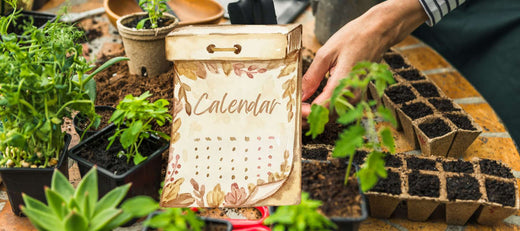
While many herbs may say “perennial” on the seed packet, that really depends on your growing zone. Hardy perennials like mint, chives, oregano, thyme, sage, English lavender, and lemon balm can survive winter outdoors in most of the U.S. Tender perennials like rosemary and marjoram need protection or may even need to be brought indoors if you live in zones 7 or lower. If you are unsure of your growing zone, you can look it up on our Seed Planting Calendar. Our tool will also tell you the approximate first frost date for your zone.
Woody vs. Herbaceous Herbs: Why It Changes How You Prune
Knowing the difference between a woody and herbaceous herb will help you prevent one of the most common winterizing mistakes. Herbaceous herbs die back in winter to the ground and regrow from roots, so cutting them back after frost is fine. Common herbaceous herbs include mint, chives, lemon balm, oregano, and lovage. (Some of these won’t die fully back in warmer regions.)
Woody herbs keep living stems throughout the winter, so a hard fall pruning can kill them or invite damage. Woody herbs include lavender, sage, thyme, and rosemary. Hard pruning stimulates tender new growth that frost destroys, and cutting into old wood often won’t regrow. Leave woody herbs mostly alone until spring.
How to Winterize Perennial Herbs: Step by Step

Step 1: Stop Fertilizing and Ease Up on Harvesting in Late Summer
Stop feeding by late summer and taper heavy harvests about 4-6 weeks before your first frost date. This lets plants harden off instead of pushing out soft growth that the winter will kill.
Step 2: Clean Up the Bed
Remove dead leaves, weeds, and diseased foliage that can harbor fungus and pests over winter. Leave some seed heads or stems if you want to support beneficial insects.
Step 3: Prioritize Drainage
For Mediterranean herbs (lavender, sage, thyme, rosemary), cold wet soil kills more plants than cold temperatures do. Covering raised beds, adding a gravel top-dressing, and amending clay soil for better drainage will all help to support the woody herbs. Avoid piling soggy mulch or leaves against the base of these herbs.
Step 4: Water Deeply Before the Ground Freezes
A thorough watering in late fall helps roots, especially evergreen herbs like thyme and sage, withstand drying winter winds. Then let nature take over and avoid watering frozen soil.
Step 5: Mulch After the Ground Freezes, Not Before
Mulching too early will keep the soil warm and delay your herbs falling into dormancy. It can also give pests a cozy home. After the first hard freeze, apply 2 to 4 inches of loose material such as straw, shredded leaves, or pine needles around herbaceous herbs. For woody herbs, use a light, airy covering like evergreen boughs or gravel mulch that keeps the base of the herbs dry.
Step 6: Add Extra Protection in Exposed or Borderline Areas
When herbs are growing in a zone at the edge of their hardiness level, like lavender in zone 5 or rosemary in zone 7, you can add some extra protection. Burlap covers, frost cloth, or a sheltered planting spot such as a south-facing wall, can help protect these herbs.
How to Winterize Herbs in Containers

Potted herbs are far more vulnerable than in-ground plants because roots in a pot can freeze. A good rule of thumb is that a potted herb is about two zones less hardy than the same herb in the ground. For these herbs, you can move them to an unheated garage or shed, group the pots together against the house, insulate the pots with burlap or bubble wrap, or bury them in the ground. Clay pots can crack in freeze-thaw cycles so they may not be the best option. Potted herbs in sheltered spots will still need an occasional drink during dry spells.
How to Bring Herbs Indoors for Winter
If you choose to bring your more tender herbs indoors, you will want to transition them gradually over a week or so before the first frost. Be sure to check them carefully for aphids, spider mites, and whiteflies. You can give them a good rinse with the hose or treat them with organic soap to remove the pests. Indoors, put them in a bright south-facing window or under a grow light in a space that has cooler temperatures (around 55-65°F). Water sparingly and expect some leaf drop, as this is normal.
Herb-by-Herb Winter Care Guide
Rosemary
Most varieties of rosemary are only hardy to zone 7 or 8. In colder zones, pot it up and bring it in before the first hard frost. Rosemary is notoriously tricky indoors. It needs maximum light and cool temperatures, and it can die both from overwatering and from drying out completely, so aim for evenly moist soil. Watch for powdery mildew, and provide good air circulation.
Lavender
English lavender is hardy to roughly zone 5, although our Munstead variety may be a little hardier. Winter wetness is the biggest killer, so drainage and a gravel mulch are better than heavy organic mulch. Skip hard fall pruning. Wait until new growth appears in the spring, and never cut into bare old wood.
Sage
Common garden sage is hardy to about zone 5. White sage is hardy only to about zone 7 or 8. Treat it like lavender. Give it good drainage, a light covering at most, and save the shaping until spring.
Thyme
Most culinary thyme is hardy to zone 5, and some creeping types are hardier. Thyme hates wet feed. Use a light layer of evergreen boughs in cold, snowless areas, and avoid smothering it with leaves. Pruning can wait until spring.
Oregano
Oregano is hardy to roughly zone 5. As a semi-herbaceous herb, it can be cut back to a few inches after frost and mulched. Some ornamental and Italian oregano types are a bit less hardy.
Marjoram
Sweet marjoram is a tender perennial only hardy to about zones 9-10, so most growers treat it as an annual. You can pot it up or take cuttings in late summer to propagate and overwinter indoors. It does well on a sunny windowsill.
Mint
Mint and Lemon Balm (a member of the mint family) are some of the hardiest herbs, and will survive to roughly zones 3 or 4. Cut the stems to the ground after frost and mulch lightly. Potted mint needs more protection than garden mint. Late fall or early spring is a good time to divide overgrown clumps.
Chives
Chives are hardy to about zone 3 and die back naturally. Cut back the foliage and clear any debris. If you’d like to have chives all winter, pot up a clump in the fall and leave outside for a few weeks of cold, then bring inside for fresh herbs all winter long.
Quick-Reference Chart: Winter Hardiness by Herb
| Herb | Approx. Cold Hardiness | Cut Back in Fall? | Winter Strategy |
|---|---|---|---|
| Mint | Zone 3–4 | Yes, to ground | Mulch |
| Chives | Zone 3 | Yes | Mulch or pot for forcing |
| Lemon balm | Zone 4 | Yes | Mulch |
| Tarragon | Zone 4 | Yes | Mulch, sharp drainage |
| English lavender | Zone 5 (some 4) | No, prune in spring | Drainage, gravel mulch |
| Sage | Zone 5 | No | Drainage, light cover |
| Thyme | Zone 5 | No | Light evergreen boughs |
| Oregano | Zone 4 | Yes, to a few inches | Mulch |
| Rosemary | Zone 7–8 (some 6) | No | Bring indoors in cold zones |
| Sweet marjoram | Zone 9 | No | Bring indoors or grow as annual |
Spring Care: Waking Up Your Herbs After Winter
As temperatures begin to warm in the spring, pull back mulch. Wait until your woody herbs are showing new green growth before pruning, and cut out any winterkilled stems. Divide clumps of overgrown herbaceous herbs, and reintroduce indoor herbs gradually after the danger of a hard frost is passed. This is also a great time to start new herbs from seed.
Quick Tips to Remember
Preparing your perennial herbs for winter begins with knowing your regional growing zone and ensuring your garden beds offer proper drainage. Herbaceous varieties like mint and chives benefit from being cut back post-frost, whereas woody perennials such as sage and lavender should remain untouched until spring. Wait to apply protective mulch until after the earth freezes, and move tender potted herbs like rosemary inside before severe cold sets in.
With a little preparation in the fall, you can successfully winterize perennial herbs. Even finicky herbs like rosemary can survive the winter and come back bigger and healthier in the spring.


