

It may sound counterintuitive, but fall is a great time to sow onion and shallot seeds. Fall sowing will produce larger bulbs, better disease and drought resistance from an established root system, and a jump on the short growing window of these crops. The key to successful fall sowing depends on understanding the plant’s biology and matching timing to your zone.
In this guide, we will take a look at the biology of onions and shallots, various methods for fall sowing, and provide you with guidance for your specific growing zone.
The Biennial Life Cycle and Why It Matters
Onions and shallots are biennials, meaning in the first year they focus on growing leaves and bulb formation. In the second year, after a cold period (called vernalization), they bolt, flower, and set seed. Fall sowing gives the plant a head start on the first year of growth before winter arrives. However, there is a risk of the seedlings growing too large before a hard cold snap which can cause them to bolt prematurely in the spring instead of expanding bulb growth. This is the key thing to manage in fall sowing.
Short-Day vs. Long-Day Varieties and Why It Affects Fall Sowing

Onion bulbing isn’t triggered by temperature, but by day length. Each onion variety has a genetically programmed threshold number of daylight hours it needs before it stops growing leaves and puts its energy into forming a bulb. Because of this, it is important to choose the right variety for your location.
Short-Day Onions
Short-day onions bulb once they get about 10-12 hours of daylight. Days in southern latitudes never get much longer than that even at the peak of summer. These varieties are bred to bulb early, before the plant has had time to grow a large top. They are the best choice for USDA zones 7-10 (the South, Southern California, Gulf Coast, and similar mild-winter regions). These are areas where fall sowing is a well-established practice. Fall sowing allows the plants to grow through the relatively mild winter, and then the naturally short days of late winter/early spring trigger bulbing right on schedule. There is little to no risk of early bolting from a long, warm growing season beforehand.
Long-Day Onions
Long-day onions need 14-16 hours of daylight to bulb. In the northern half of the U.S. and most of Canada (USDA zones 3-6), these are the onion varieties that do the best. Because the long days these onions need do not arrive until June, a fall-sown long-day onion will spend the entire winter and spring growing leaves with no bulbing trigger. By the time it does get enough daylight, it’s already been through a full winter of cold, which is the condition that triggers bolting. This is the reason that true fall direct-sowing doesn’t work well in cold winter zones. However, there are still ways you can fall-sow in these areas.
Intermediate-Day (Day Neutral) Onions
These types of onions need roughly 12-14 hours of daylight and are recommended for transitional zones 5-7 where neither a pure short-day, nor long-day variety perform ideally.
Here is a quick reference chart:
| Onion Type | Daylight Needed | Best USDA Zones | Fall Sowing Viability |
|---|---|---|---|
| Short-day | 10–12 hrs | 7–10 | Well-established, low risk |
| Intermediate-day | 12–14 hrs | 5–7 | Possible with protection, moderate risk |
| Long-day | 14–16 hrs | 3–6 | Not viable; spring sow or very early indoor start instead |
Timing by Growing Zone
Let’s take a look at the main USDA growing zones and what the best method and timing is for sowing your onion and shallot seeds in the fall.

Zones 2-5 (cold winter North): True fall direct-sowing outdoors is not recommended. Instead, start your seeds indoors in late winter for spring planting, or winter sow outdoors in a protected structure like a cold frame. You can count back from your average first hard frost and aim for seedlings that are still small (a few inches, thin stems) when winter cold sets in for cold frame planting.
Zones 6-7 (transitional): Fall direct sowing is possible but riskier. The safest bet is to plant in a cold frame or under row covers later in the season so that seedlings stay small going into winter.
Zones 8-10 (mild winter South, Pacific Northwest, coastal): Direct sow in the fall (roughly September-November depending on the first hard frost). Let seedlings overwinter in the ground with a light mulch and you can expect a harvest by late spring/early summer.
Direct Sowing Method
If you are in a milder zone and will be direct sowing, pick a location in full-sun and work the soil so that it is loose. Sow seeds approximately 1 inch deep and 4 to 6 inches apart (check your seed packet for exact planting instructions). Keep the soil evenly moist until the seeds germinate (approximately 7-14 days).
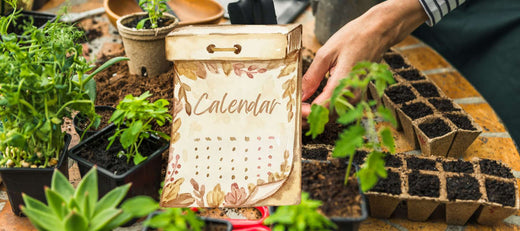
Apply a light mulch to help retain moisture and protect the seedlings through the winter. Again, timing is the key here. You want to aim for seedlings with leaves no larger than a pencil going into winter. This typically takes 6 to 8 weeks from sowing seeds. Use a tool like our Seed Planting Calendar to find your first frost date and count backwards to find the best time to plant.
Starting Indoors and Transplanting
In colder climates, you can start your onions and shallots from seed indoors and transplant outside, either in the fall under a cold frame or low tunnel, or in the early spring. For fall transplants, the seedlings should be ready about 6-8 weeks after sowing. You can start the seeds in a sterile seed-starting mix under lights indoors. Follow your seed packet instructions for exact sowing depth. Keep them consistently moist throughout the process.
Harden off the seedlings by gradually increasing outdoor exposure time over the course of a week and then plant outdoors. If you want to wait until spring, determine your last frost date and count backwards to know when to start the seeds.
Winter Care

Once seedlings are established with a few true leaves, apply 2-4 inches of mulch around the plants. Straw, shredded leaves, or pine needles work well. This helps to retain soil moisture and helps protect the plants from sudden rapid soil temperature changes that can push shallow-rooted seedlings right out of the soil. Be careful not to pile the mulch on the seedlings themselves.
In colder zones, cold frames or a floating row cover can provide some frost protection. If using a cold frame, be sure to vent the frames on unseasonably warm days to prevent overheating and fungal disease.
Water thoroughly at planting time, but taper off as growth slows with shorter days and cooler soil. Onions and shallots don’t want to go into winter bone-dry, but they also don’t want to be soggy. Waterlogged soil sitting around dormant roots can cause rot. A good rule of thumb is to water deeply once every week or two through fall if there’s no rain, then stop entirely once the ground is reliably cold.
Expect very little visible change in your plants through the winter. Healthy, overwintered seedlings should stay similar in size to when they went dormant. Outer leaves might get a little yellow or brown from cold, but this isn’t a concern.
Signs of stress you should watch out for include mushy or slimy leaf bases (usually rot from too much moisture) and widespread yellowing (disease or waterlogging). Keep an eye out for heaved plants (seedlings sitting on top of the soil). This can happen from freezing and thawing of the soil. You should gently push your seedlings back into the soil as soon as it can be worked, if this happens.
What to Expect Next Spring

Spring is when you will see the rewards of fall planting. Once the soil warms up, you should see the leaves start to grow and bulbs start to form. You will be able to harvest much sooner, and have larger bulbs than if you started onions in the spring. One thing to watch out for is the formation of flowers (bolting). This means you probably planted too early. All is not lost, though. Just harvest your onions early and enjoy them as green onions.
A Note on Shallots
The planting of shallots mirrors much of the process for onions. Most shallot varieties behave like short to intermediate-day onions and are less strictly day-length dependent overall. They are hardier and clump together, making them a more reliable option for beginners trying fall sowing for the first time.
Fall Sowing Reference Table
| USDA Zone | Approx. First Frost | Onion Type | Fall Sowing Window | Method |
|---|---|---|---|---|
| 3–4 | Early–mid Sept | Long-day | Not recommended | Spring sow, or start indoors 8–10 weeks before last frost |
| 5 | Late Sept–early Oct | Long-day / Intermediate | Not recommended (long-day); marginal (intermediate, with cold frame) | Indoor start in late winter for spring transplant |
| 6 | Mid–late Oct | Intermediate | Late Sept–mid Oct | Direct sow with row cover, or indoor start + fall transplant into cold frame |
| 7 | Late Oct–mid Nov | Intermediate / Short-day | Early–late Oct | Direct sow, mulch well; cold frame recommended in colder pockets |
| 8 | Nov | Short-day | Mid Oct–mid Nov | Direct sow, light mulch |
| 9 | Late Nov–Dec | Short-day | Late Oct–Dec | Direct sow |
| 10 | Rare/no hard frost | Short-day | Oct–Jan (wide window) | Direct sow |
Key Takeaways
If you want to give your onions and shallots a head start next season, you can sow them in the fall. You will have to pay attention to your climate, growing zone, and purchase the right type of seeds for your area. Time your sowing so that seedlings stay small before a hard frost, protect them through the winter, and watch for bolting in the spring. It may be a good idea to start with just a small patch as an experiment before you dedicate a whole garden bed to fall-sown onions. We offer varieties of onions to suit any zone, so get yours and start sowing today!


