

February is that magical time when seed catalogs update, the sun is setting later, and our thoughts begin to turn toward the upcoming gardening season. While the ground may still be frozen under a layer of snow, spring isn’t that far away. Now is the perfect time to channel your pent up gardening energy into a few key tasks that will make your 2026 gardening season the most successful, and least stressful one yet.
The Indoor Head Start: Seed Sowing & Planning

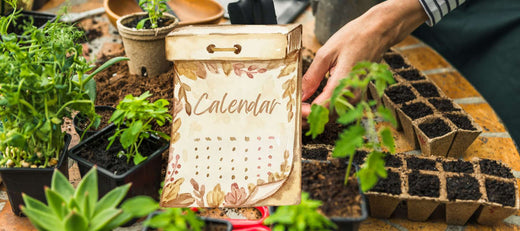
February is an important time for seed starting chores. Now is the time to cold stratify the seeds that germinate best when they have gone through the cold, moist conditions of winter. This is important for plants like lavender, poppies, and milkweed. It is also the time to start slow-growing vegetable and flower seeds indoors. This includes peppers (especially habaneros), eggplant, and snapdragons.
For those in warmer areas, you can actually get started working in the garden. If it isn’t still buried in snow, take some time to do some general maintenance out in the garden like tightening up trellises and checking your irrigation system for leaks. If you live in zones 8-10, you can direct sow early spring vegetables like sweet peas, kale, lettuce, and short-day onions.
The “Big Prune” and Tool Tune-Up
Without leaves in the way, it’s easy to see the structure of dormant fruit trees and roses, making February a good time to prune these plants. Now is also a great time to go through that gardening shed and do some tool maintenance so you will be ready to go when the weather warms up. Take the time to remove rust, clean, sharpen, and oil those shovels and shears. It is always good practice to clean your tools, especially pruners and shears, immediately after use to prevent the possible spread of pests and disease.
Lose the Lawn and Go Native

A recent study reveals that more than 22% of North American native pollinators are at risk of extinction. This is largely due to loss of habitat, but pesticides and the changing climate also play a role. Why does this matter? Because, without pollinators, your vegetable plants won’t produce food. When planning your plantings this year, why not consider including some native plants?
You may also want to jump on the growing trend of replacing grass lawns with more natural ground covers like creeping thyme or alyssum. These flowering plants smell wonderful, look pretty, and will save you time mowing your lawn, so you can spend more quality time with your garden.
The Shopping List

When browsing through all of those seed supply websites and plant catalogs this month, keep a few things in mind. Know your USDA Hardiness zone so that you purchase seeds that will grow in your area. Also, be aware of how much space you have in your garden. Check to see how large the plants will grow to make sure that they will have enough space. Keep in mind how much sunlight and shade your garden has, so your purchases can go in an environment they will thrive in. February is the optimal time to purchase bare-root fruit trees, dahlia tubers, and seed potatoes.
While you sit inside with a hot cup of tea, remember that gardening is as much about the preparation as it is the harvest. The work you do this month, whether it’s sharpening those pruners or putting pepper seeds into trays, is the foundation for everything that will bloom in May. So, embrace the chill, lean into the “pre-season” hustle, and get ready! Your future, flower-filled self will definitely thank you.


