


For centuries, gardeners and herbalists have valued wormwood for far more than its distinctive silver foliage. If you've ever wondered about wormwood uses or what is wormwood used for, you'll find that this hardy perennial has a long history in herb gardens, traditional herbal practices, and household preparations. Long before modern garden centers existed, wormwood was grown in monastery gardens, cottage gardens, and family herb plots where dependable perennial herbs were cultivated for practical use. Today, many gardeners still grow it because of its historical significance, attractive foliage, and lasting place in traditional herb gardens.
Many traditional wormwood uses have been passed down through herbal traditions in Europe, Asia, and other parts of the world. Although modern research continues to study many herbs, wormwood remains best known for its historical significance rather than everyday use. Learning how previous generations prepared, preserved, and grew this plant provides useful insight into why it still has a place in herb gardens today.
In this guide, you'll learn about the history of wormwood benefits, common traditional preparations such as tea, tinctures, and poultices, and the reasons gardeners continue to grow this remarkable perennial.
Traditional Wormwood Uses
People have cultivated wormwood for hundreds of years, making it one of the oldest herbs still commonly grown today. Its distinctive aroma, bitter taste, and attractive foliage earned it a lasting place in herb gardens long before ornamental gardening became popular. Understanding how earlier generations grew and used wormwood helps explain why it continues to attract gardeners, herbal enthusiasts, and history lovers alike.
A Long History of Wormwood

Wormwood has been grown since ancient times and appears in the written records of several civilizations. It was cultivated throughout parts of Europe, Asia, and North Africa, where it became a familiar herb in monastery gardens, household gardens, and collections of medicinal plants.
In medieval Europe, herb gardens were designed for everyday life rather than decoration. Families relied on herbs for cooking, preserving foods, household tasks, and traditional herbal preparations throughout the year. Perennial plants such as wormwood were especially valued because they returned every spring, reducing the need to replant them each season.
Wormwood often grew alongside sage, rosemary, lavender, thyme, and other long-lived herbs. Gardeners appreciated plants that tolerated dry weather, required little care once established, and produced dependable harvests year after year. These qualities helped wormwood remain a regular feature in traditional herb gardens across many regions.
As trade routes expanded, knowledge about herbs spread from one region to another. Gardeners shared seeds, growing techniques, and traditional recipes, allowing wormwood to become established across many climates. Today, many historic gardens still include wormwood because it represents the practical herbs that generations of gardeners relied on long before modern gardening became common.
What Is Wormwood Used For?
One of the most common questions gardeners ask is what is wormwood used for. Traditional uses varied between regions, but most centered on the plant's distinctive aroma, intensely bitter leaves, and dependable growth habit. Whether it was grown in monastery gardens or family herb plots, wormwood became a familiar part of many traditional herb collections.
Traditionally, wormwood was harvested during the growing season and either used fresh or dried for later use. Stems were commonly gathered into small bundles and hung in dry, well-ventilated spaces until the leaves were ready for storage. Once dried, the leaves were kept in sealed containers and used in a variety of traditional herbal preparations throughout the year.
Wormwood also earned a place in gardens simply because it was a hardy perennial. It tolerated dry summers, grew well in poor soils, and produced attractive silver foliage from spring through fall. For many gardeners, these qualities made it just as valuable in the landscape as it was in traditional herbal collections.
Traditional Wormwood Uses Today
Although gardening has changed over the centuries, many people still appreciate traditional wormwood uses. Historic herb gardens, botanical gardens, heritage farms, and museum gardens often grow wormwood alongside other traditional herbs to demonstrate how practical herb gardens were once planted and maintained. These living collections preserve centuries of gardening history while helping visitors understand the importance of perennial herbs in everyday life.
Wormwood is also popular in dried arrangements, herb displays, and specialty gardens that focus on historical or medicinal plants. Its finely divided silver leaves remain attractive even after drying, giving it decorative value beyond the growing season.
Popular Ways Wormwood Has Traditionally Been Prepared
Over the centuries, people developed several ways to prepare wormwood depending on how they intended to use it. Some preparations were made fresh, while others were designed to preserve the herb for months after harvest.
Although preparation methods varied from region to region, three forms appear repeatedly throughout traditional herbal references: tea, tinctures, and poultices.
Wormwood Tea Benefits
Among the oldest preparations is herbal tea, making wormwood tea benefits one of the most frequently discussed traditional topics. Historically, people prepared tea by steeping small amounts of dried wormwood leaves in hot water for a short period.
Traditional herbal practices often valued bitter herbs because bitterness was considered an important characteristic in many historic herbal systems. Wormwood became known for having one of the strongest bitter flavors among commonly cultivated herbs, which meant only small amounts were typically used when preparing tea.
Preparation methods varied from one region to another because herbal knowledge was usually passed through families and local traditions rather than standardized written recipes. Local customs, available ingredients, and growing conditions all influenced how wormwood tea was prepared.
Today, discussions of wormwood tea benefits are usually framed within the context of traditional herbal practices rather than modern medical advice. Many gardeners enjoy learning about these historical preparations because they provide insight into how herbs were traditionally used and appreciated long before modern herbal supplements became widely available.
Wormwood Tincture
A wormwood tincture is another traditional preparation that has been used for generations. A tincture is a concentrated herbal extract made by soaking plant material in alcohol over time. This process draws out many of the plant's natural compounds while allowing the finished preparation to be stored much longer than fresh herbs.
Before refrigeration became common, preserving herbs was an important part of household life. Freshly harvested wormwood could only be used for a limited time, while dried herbs gradually lost some of their aroma over long storage periods. Preparing a tincture allowed gardeners and herbalists to keep the herb available well beyond the growing season.
Historically, tinctures were often prepared shortly after harvest when the leaves were fresh and aromatic. Although recipes differed between regions, the purpose remained the same: preserve the herb in a concentrated form that could be stored for future use.
Today, a wormwood tincture is discussed mainly within traditional herbal practices. Many gardeners and herbal enthusiasts prepare tinctures to learn historical preservation methods or to maintain collections of traditional herbs rather than for everyday use.
Wormwood Poultice
A wormwood poultice represents another traditional way people prepared the herb. A poultice is made by crushing fresh or softened plant material and applying it externally. Different cultures developed their own methods, sometimes combining fresh leaves with warm water or other natural ingredients to create a moist herbal paste.
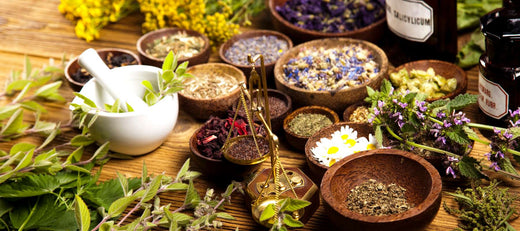
Preparing a poultice required very little equipment. Fresh leaves were commonly crushed with a mortar and pestle or gently bruised to release their natural juices before being used according to local tradition. Because fresh plant material was used, poultices were usually prepared immediately before use rather than stored.
Unlike teas or tinctures, poultices were intended for external use. Historical herbal references describe many herbs being prepared this way, with wormwood appearing alongside other familiar garden herbs.
Today, a wormwood poultice is mainly of historical interest. It offers another example of how earlier generations relied on fresh herbs from the garden and simple preparation techniques that required few tools.
Understanding Wormwood Benefits
Many people searching for wormwood benefits are curious about why this herb has remained popular for so long. While modern gardeners often appreciate its appearance, much of wormwood's reputation comes from its long history in traditional herbal practices.
Looking at traditional uses rather than modern health claims provides a better understanding of why wormwood continues to be grown in gardens around the world.
Traditional Wormwood Benefits
When discussing wormwood benefits, it's important to distinguish between historical tradition and modern medical evidence. Throughout history, many cultures valued wormwood because of its distinctive bitterness, aromatic foliage, and ability to grow reliably in dry conditions.
Traditional herbal references often describe wormwood as one part of a larger collection of herbs grown together in household and monastery gardens. Gardeners also appreciated that it was a dependable perennial. Once established, it returned each spring, required relatively little attention, and produced fresh growth that could be harvested year after year. This reliability made it a practical choice for gardens that favored long-lived plants over annual herbs.
Many historic gardens continue growing wormwood today because it reflects the practical herbs earlier generations considered valuable enough to cultivate season after season.
Why Gardeners Still Grow Wormwood
Many modern gardeners grow wormwood for reasons that have little to do with traditional herbal preparations. Its finely textured silver foliage provides contrast among green shrubs and colorful flowers, while its naturally rounded form adds structure to perennial borders.
Wormwood is also appreciated because it tolerates heat, drought, and poor soil once established. These qualities make it a dependable choice for water-wise landscapes and herb gardens that receive full sun.
Its historical importance adds another reason to grow it. Gardeners who enjoy heirloom vegetables, heritage flowers, or traditional herbs often include wormwood to preserve the appearance and character of classic herb gardens. Growing plants with centuries of documented history also creates a stronger connection to traditional gardening methods and the people who relied on these herbs long before modern landscaping became common.
Many gardeners also appreciate that wormwood combines ornamental value with historical significance. It fits naturally into herb gardens, cottage gardens, and drought-tolerant landscapes, making it a versatile plant for both traditional and modern garden designs.
Using Wormwood Responsibly
Like many traditional herbs, wormwood should be approached with care and respect. Its long history does not mean every traditional use has been confirmed by modern research, and historical practices should not be viewed as medical advice.
Anyone considering the internal use of wormwood should consult a qualified healthcare professional first, especially if they are pregnant, nursing, taking prescription medications, or managing a medical condition. Correct plant identification and careful preparation are also important whenever working with herbs.
Learning about traditional herbal practices is one way to understand gardening history better, but responsible use always begins with reliable information and appropriate guidance.
Conclusion
Understanding wormwood uses means looking beyond the garden and into the plant's long history. From historic herb gardens to traditional preparations such as tea, tinctures, and poultices, wormwood has remained part of herbal traditions for centuries. Learning about these traditional wormwood uses provides valuable insight into how earlier generations grew, harvested, preserved, and shared knowledge about this distinctive perennial.
Whether you're exploring wormwood benefits, researching wormwood tea benefits, wondering what is wormwood used for, or simply adding another heritage herb to your garden, wormwood remains a fascinating plant with a rich cultural history. Today, it continues to earn its place through its beauty, resilience, and lasting connection to traditional gardening and herbal practices, making it one of the most recognizable herbs in both historic and modern herb gardens.
Please note: This article is intended for educational and informational purposes only and not a substitute for professional medical advice, diagnosis, or treatment. .


