

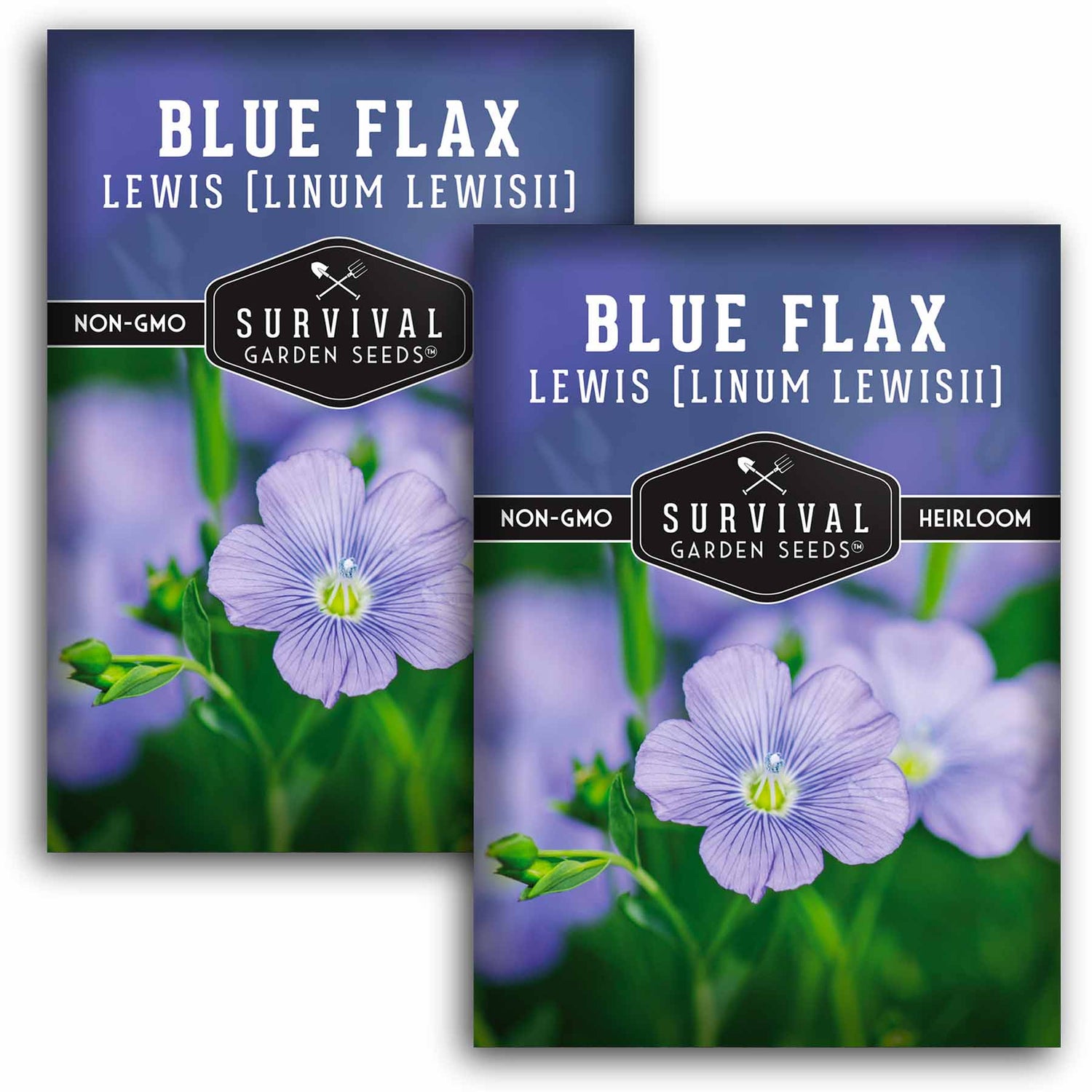
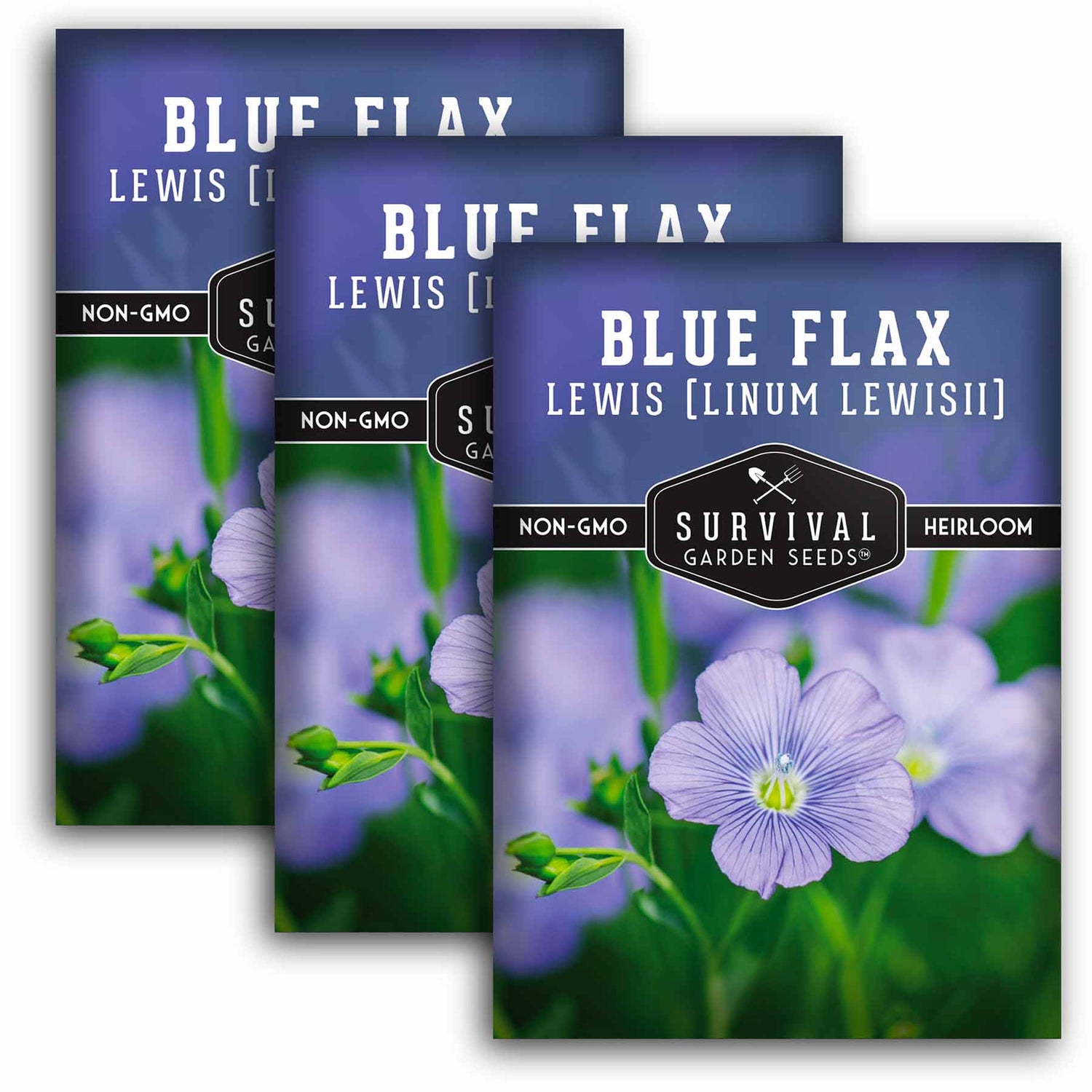
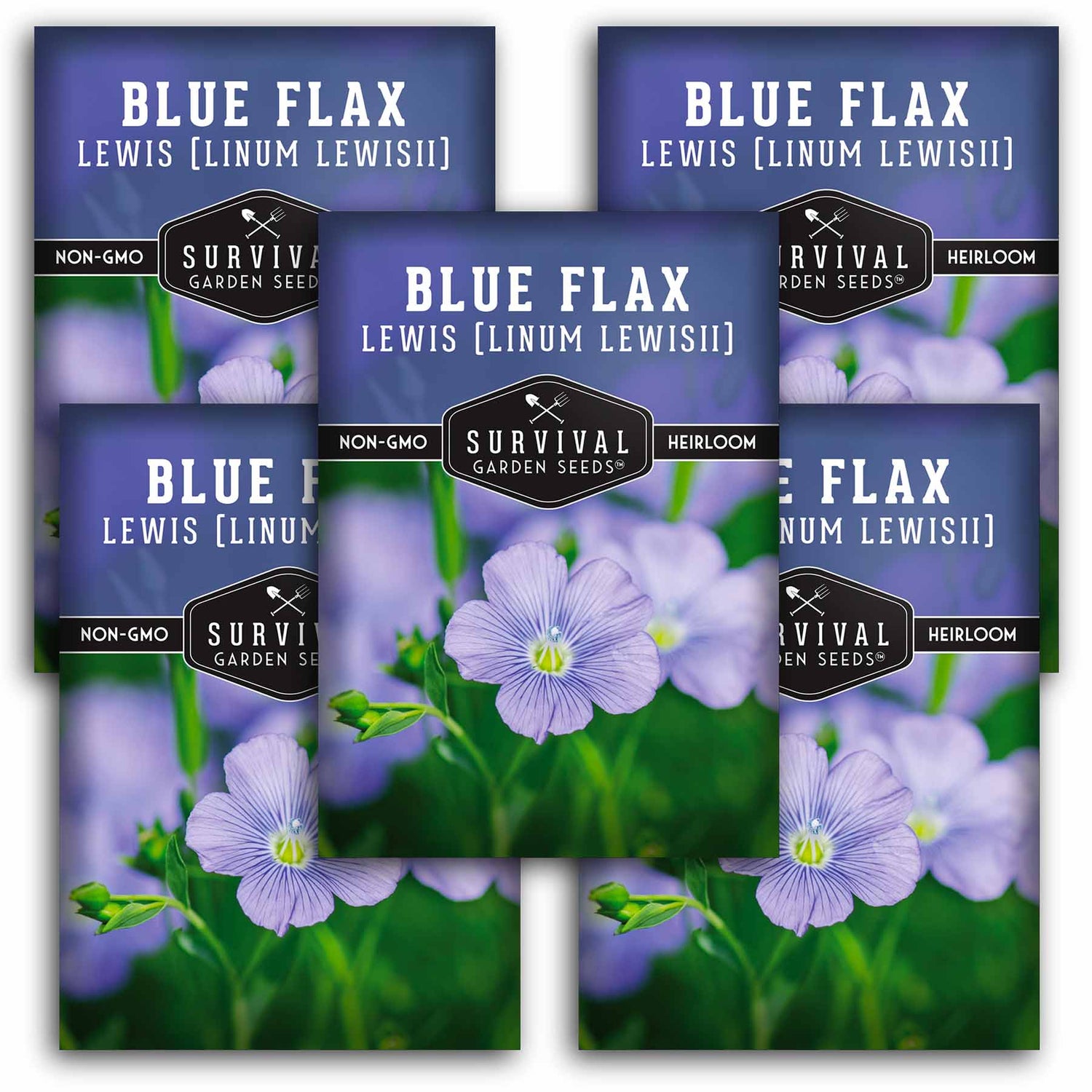
Lewis Blue Flax Seeds – Native Perennial Wildflower for Drought-Tolerant & Pollinator Gardens
Heirloom - Non-GMO - Reliable Germination
Lewis Blue Flax Seeds – Native Perennial Wildflower for Drought-Tolerant & Pollinator Gardens - 1 Packet is backordered and will ship as soon as it is back in stock.
Couldn't load pickup availability

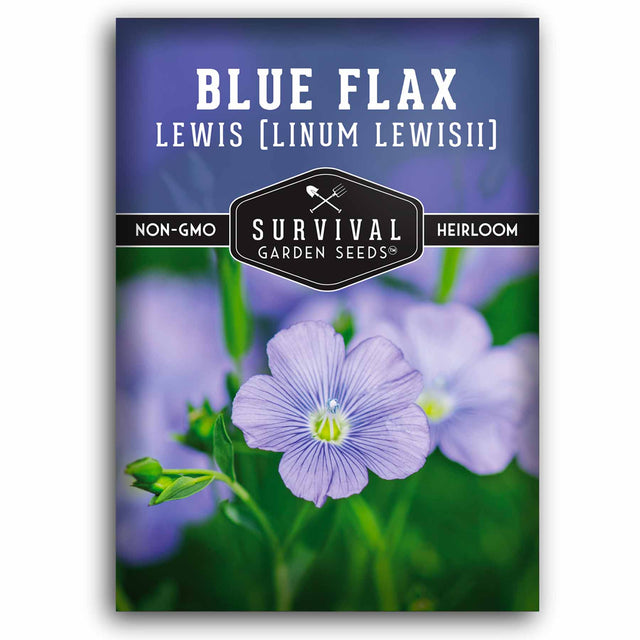
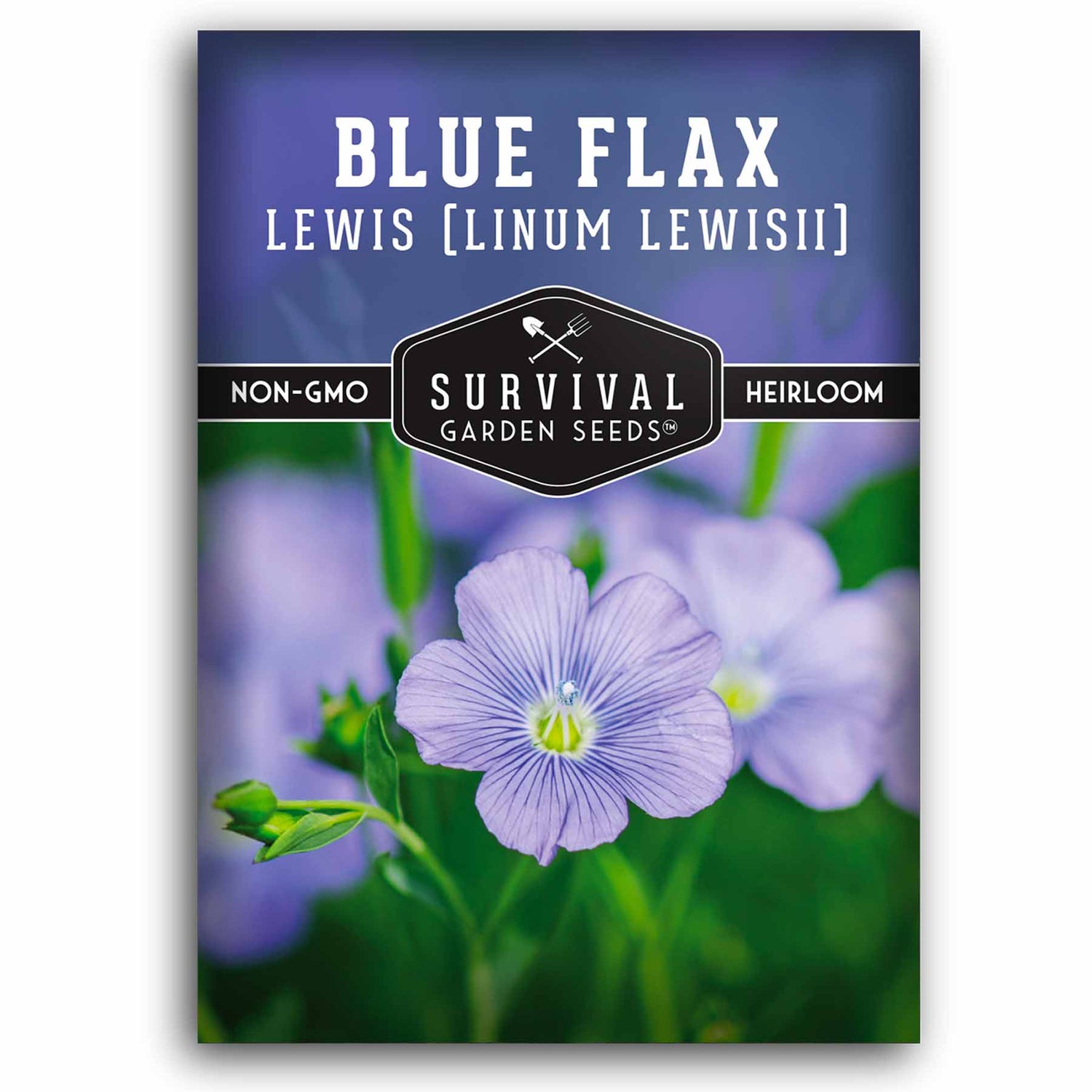
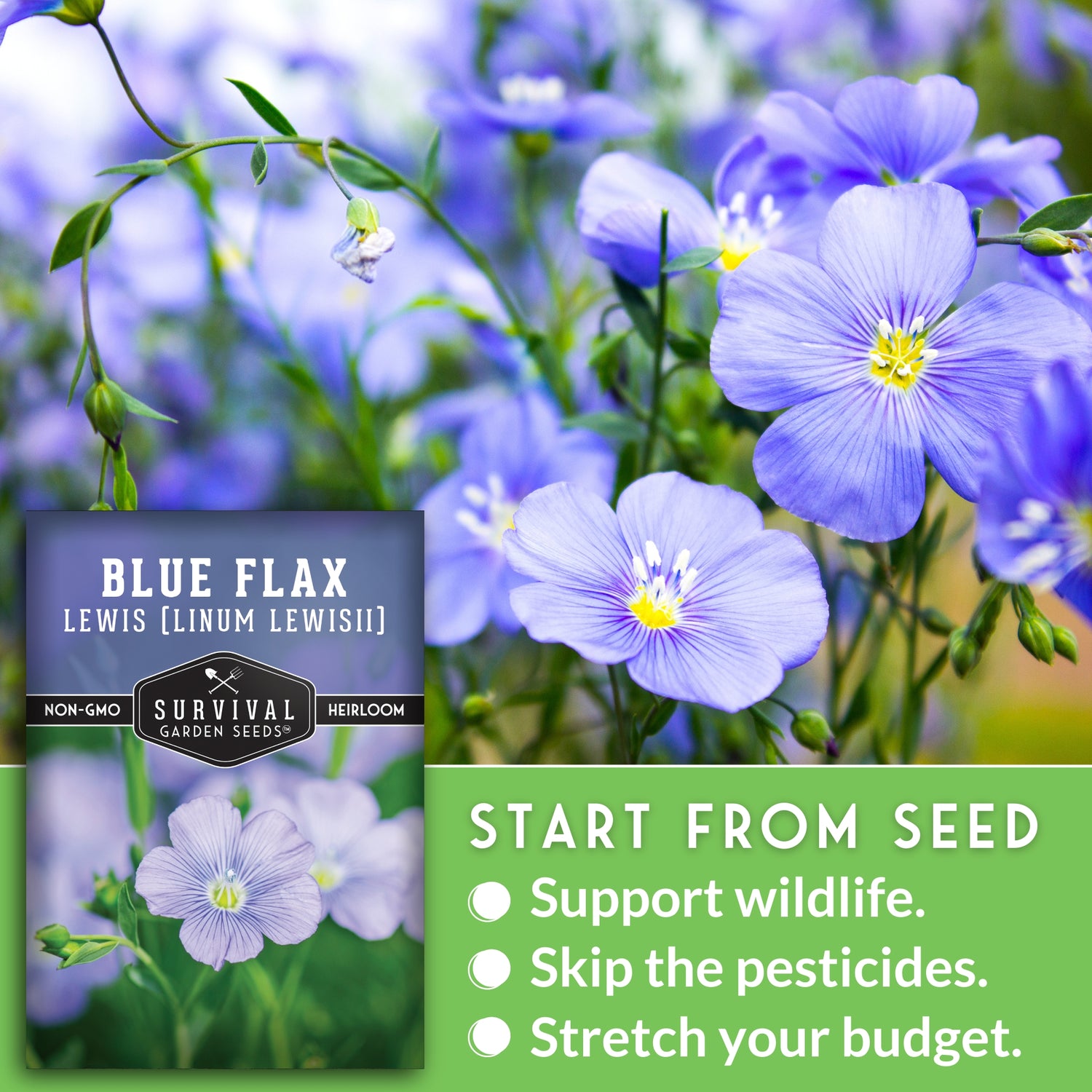
Lewis Blue Flax Seeds (Linum lewisii) grow into a graceful, resilient native perennial prized for its clear blue flowers and exceptional adaptability. Naturally found across much of North America, this wildflower thrives in challenging conditions, making it an excellent choice for low-maintenance landscapes, restoration plantings, and water-wise gardens.
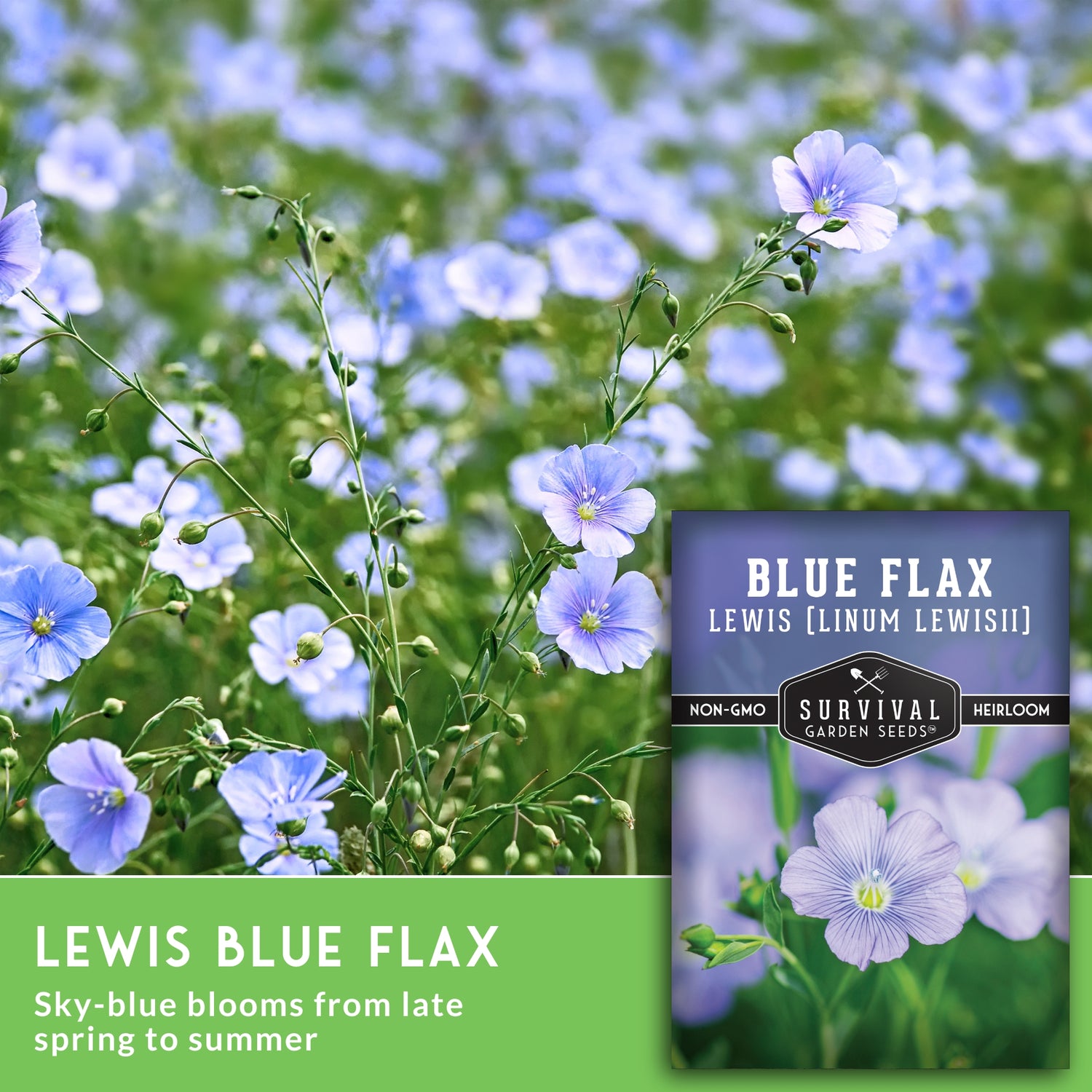
The plant produces slender stems topped with delicate, sky-blue blooms that appear from late spring through mid-summer. Lewis Blue Flax performs well in full sun to partial shade, prefers poor or rocky soils, and requires minimal watering once established. Its cold-hardy nature allows it to overwinter reliably in a wide range of climates.
Native Perennial with Striking Blue Flowers:
- Soft, sky-blue blooms with a light, airy appearance
- Flowers from late spring into mid-summer
- Adds color and movement to naturalized landscapes
Hardy and Adaptable Growth Habit:
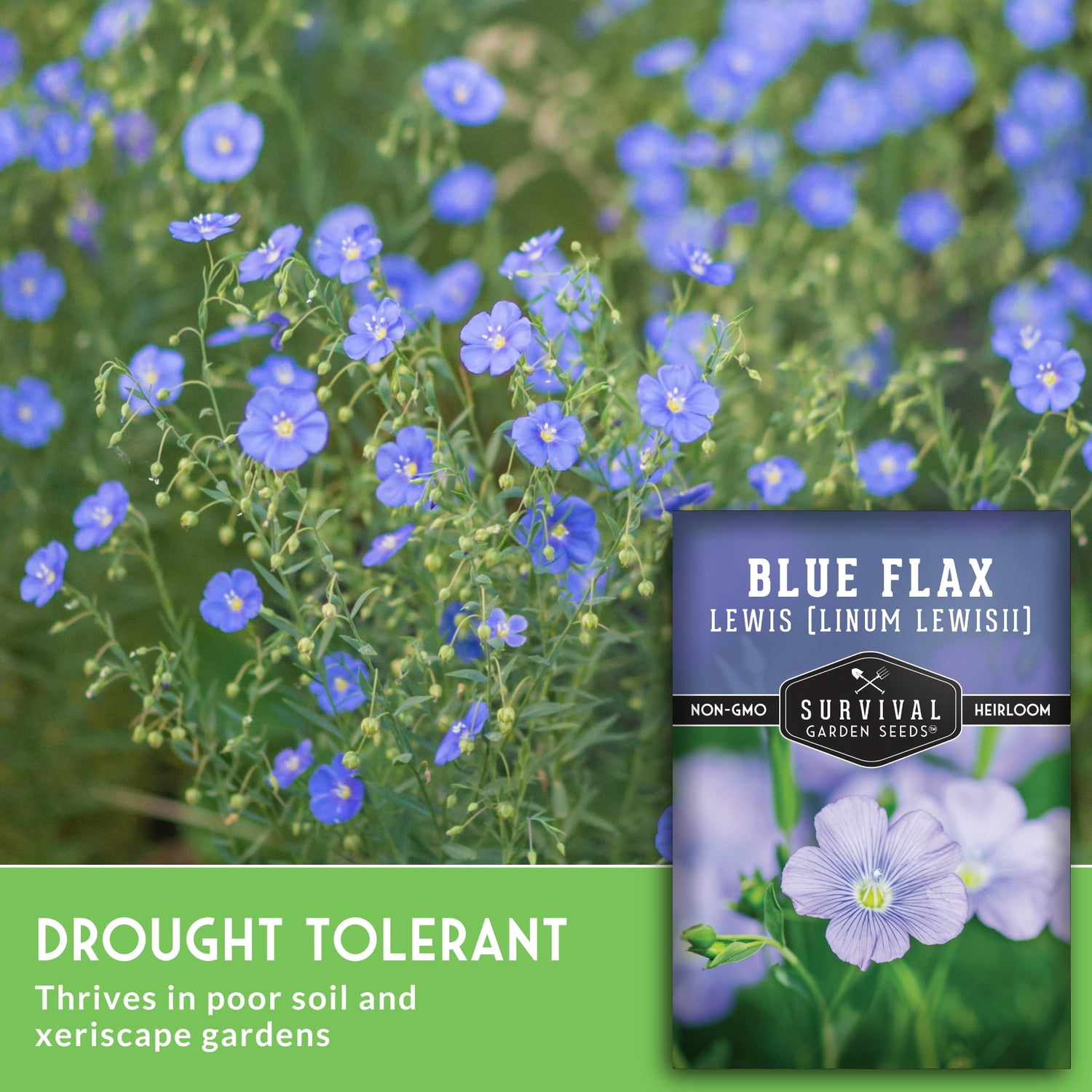
- Drought tolerant and well suited to xeriscape gardens
- Thrives in poor, low-fertility soils
- Cold hardy and dependable overwintering perennial
- Tolerates partial shade and resists deer pressure
Why Gardeners Love Lewis Blue Flax:
- Native wildflower with broad climate adaptability
- Low-maintenance and water-efficient
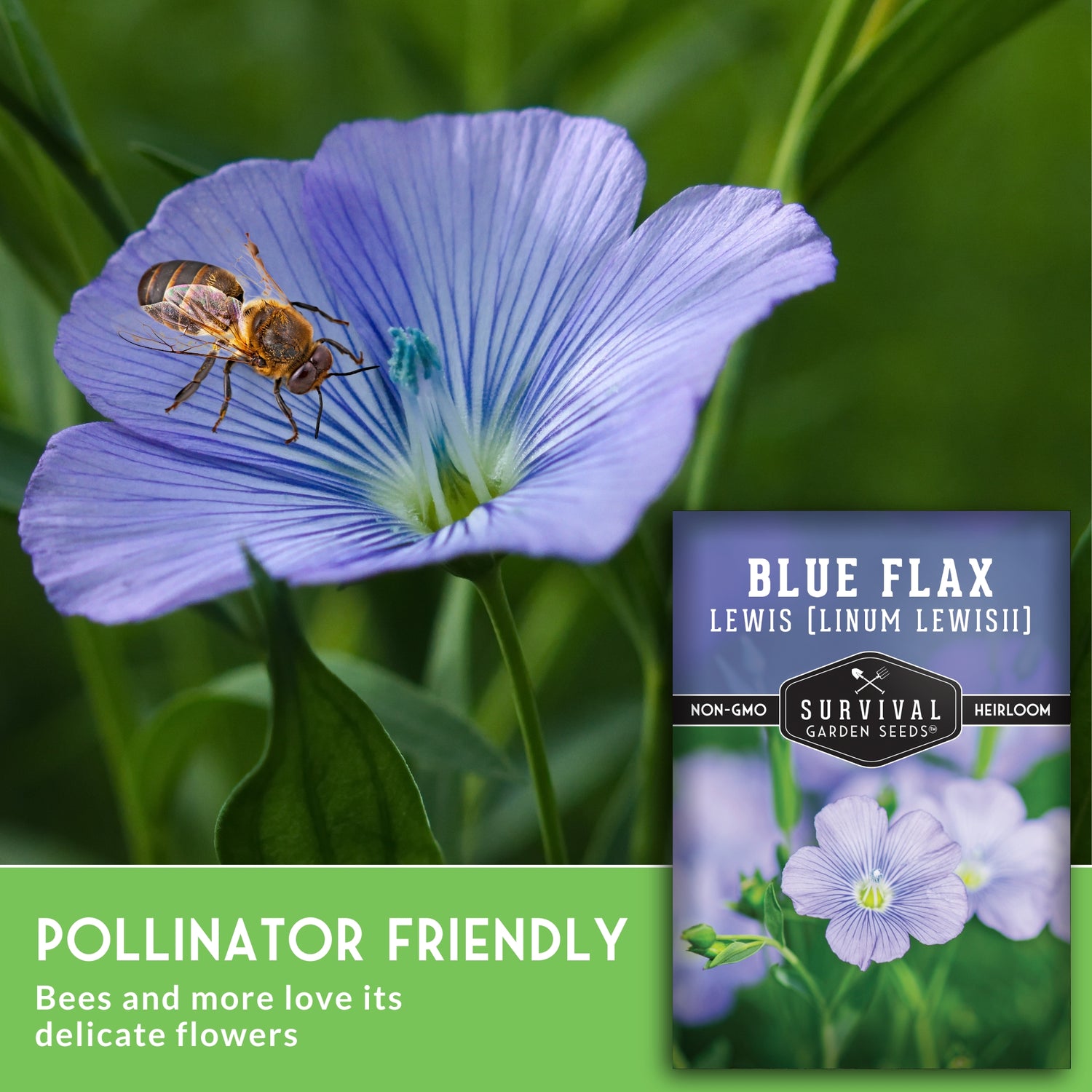
- Attracts bees and other beneficial pollinators
- Suitable for ornamental plantings, restoration, and open landscapes
- Can provide forage value in mixed-use or rural settings
How to Grow Lewis Blue Flax:
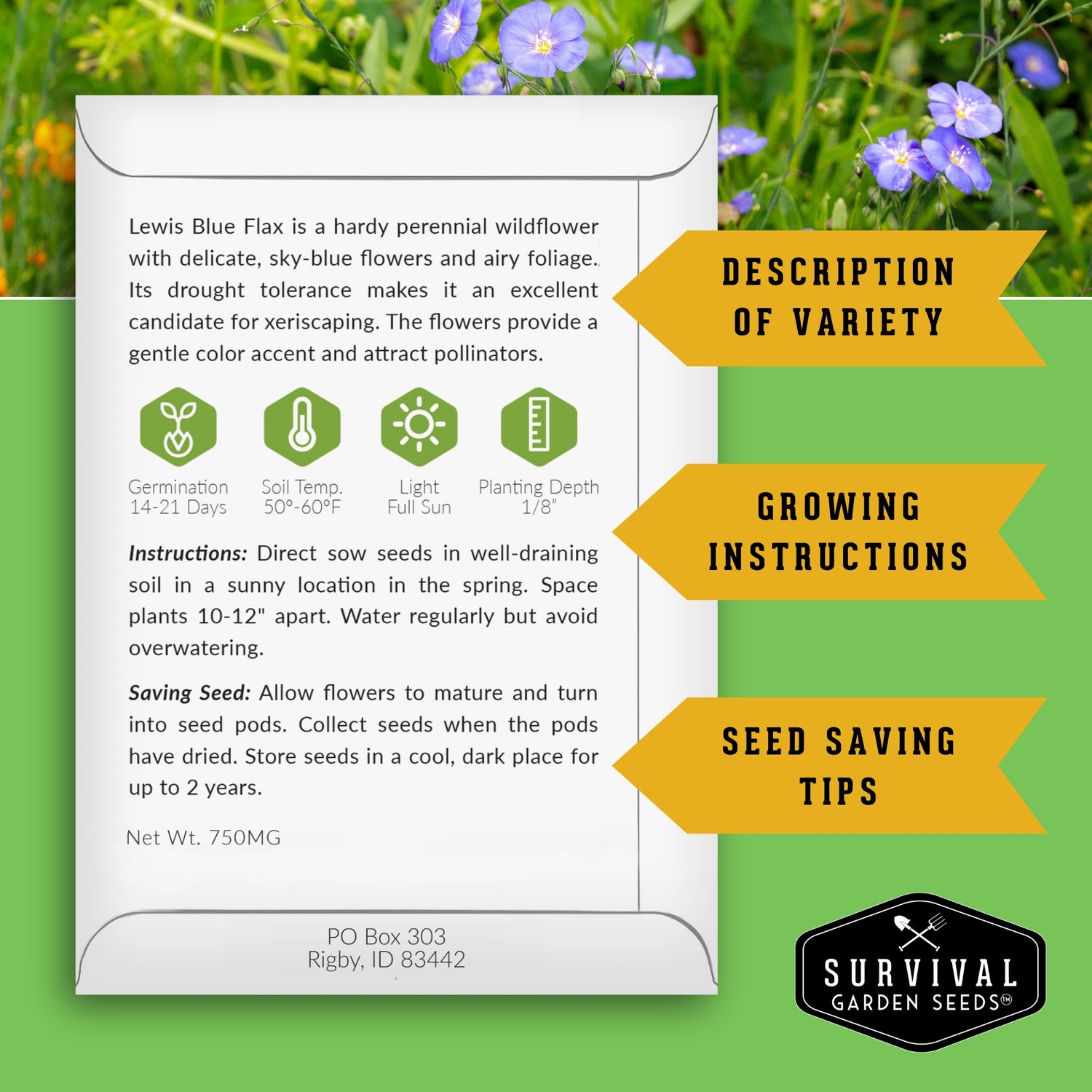
Direct sow seeds outdoors in fall or early spring for best germination. Plant in well-drained soil in full sun to partial shade. Water during establishment, then reduce supplemental watering once plants are established. Minimal fertilization is needed, as this plant performs best in lean soils.
Net Wt. 750 MG
Lewis Blue Flax Seeds – Native Perennial Wildflower for Drought-Tol...
Heirloom Flower Seeds
All of our seeds are open-pollinated, non-GMO, heirloom varieties with tested germination rates
Specifications
Specifications
-
Botanical Name
-
Seasonality
-
Planting Zones
-
Light
-
Soil Temp for Germination
-
Germination Time
-
Planting Depth
-
Plant Size
-
Days to Bloom
-
Growing Instructions
-
Seed Saving Instructions
-
Seed Count (approximate)
Payment & Security
Your payment information is processed securely. We do not store credit card details nor have access to your credit card information.
Why Choose Survival Garden Seeds
At Survival Garden Seeds, we believe in preparing today for tomorrow’s peace of mind. That’s why we offer only heirloom, non-GMO, and untreated seeds you can trust to nourish your family and support a sustainable lifestyle. As a family-owned American company, we’re committed to providing seeds that grow strong and true—helping you cultivate health, resilience, and beauty in your garden.
Frequently Asked Questions
Are your seeds heirloom and open-pollinated?
Are your seeds heirloom and open-pollinated?
Yes. All of our seeds are heirloom, open-pollinated varieties, which means they can produce seeds that grow true to type and are suitable for seed saving.
You can learn more about open-pollinated, heirloom, and non-GMO seeds in our Survival Garden Training blog.
Are your seeds non-GMO?
Are your seeds non-GMO?
Yes. All Survival Garden Seeds are 100% non-GMO. Our seeds are open-pollinated heirloom varieties and are never genetically modified.
Are your seeds treated with chemicals?
Are your seeds treated with chemicals?
No. Our seeds are completely untreated and free from chemical coatings, fungicides, or synthetic treatments.
How do I know my seeds are fresh?
How do I know my seeds are fresh?
Every seed packet includes a packed-for date, and we germination-test each seed lot before packaging to ensure high viability.
What is the shelf life of these gardening seeds?
What is the shelf life of these gardening seeds?
Most seeds remain viable for 3 to 5 years or longer when stored properly in a cool, dry place away from light and moisture.
In what USDA hardiness zones can I grow your seeds?
In what USDA hardiness zones can I grow your seeds?
Our varieties are selected to grow successfully across USDA Hardiness Zones 3 through 10. Each packet includes variety-specific planting guidance and germination tips.