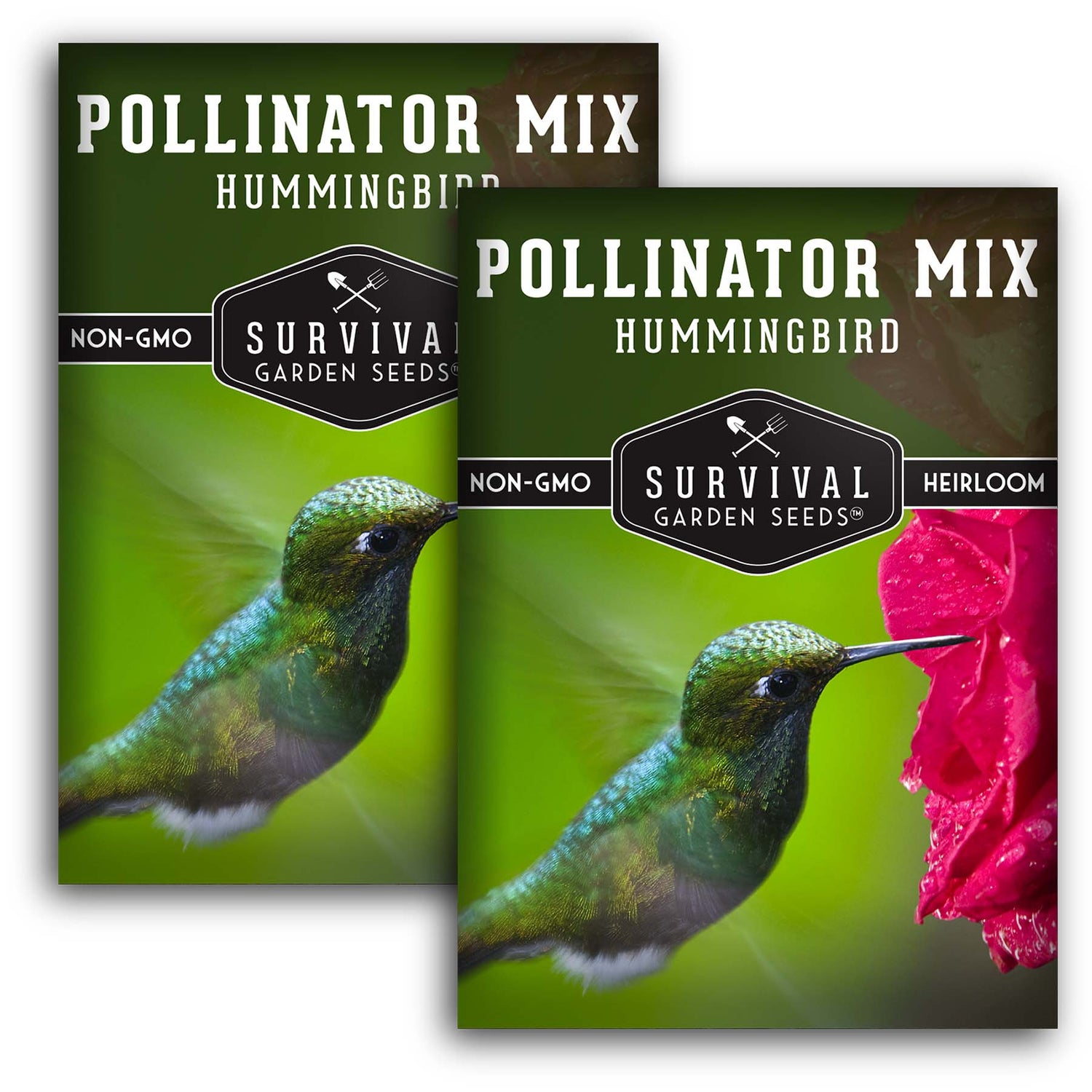
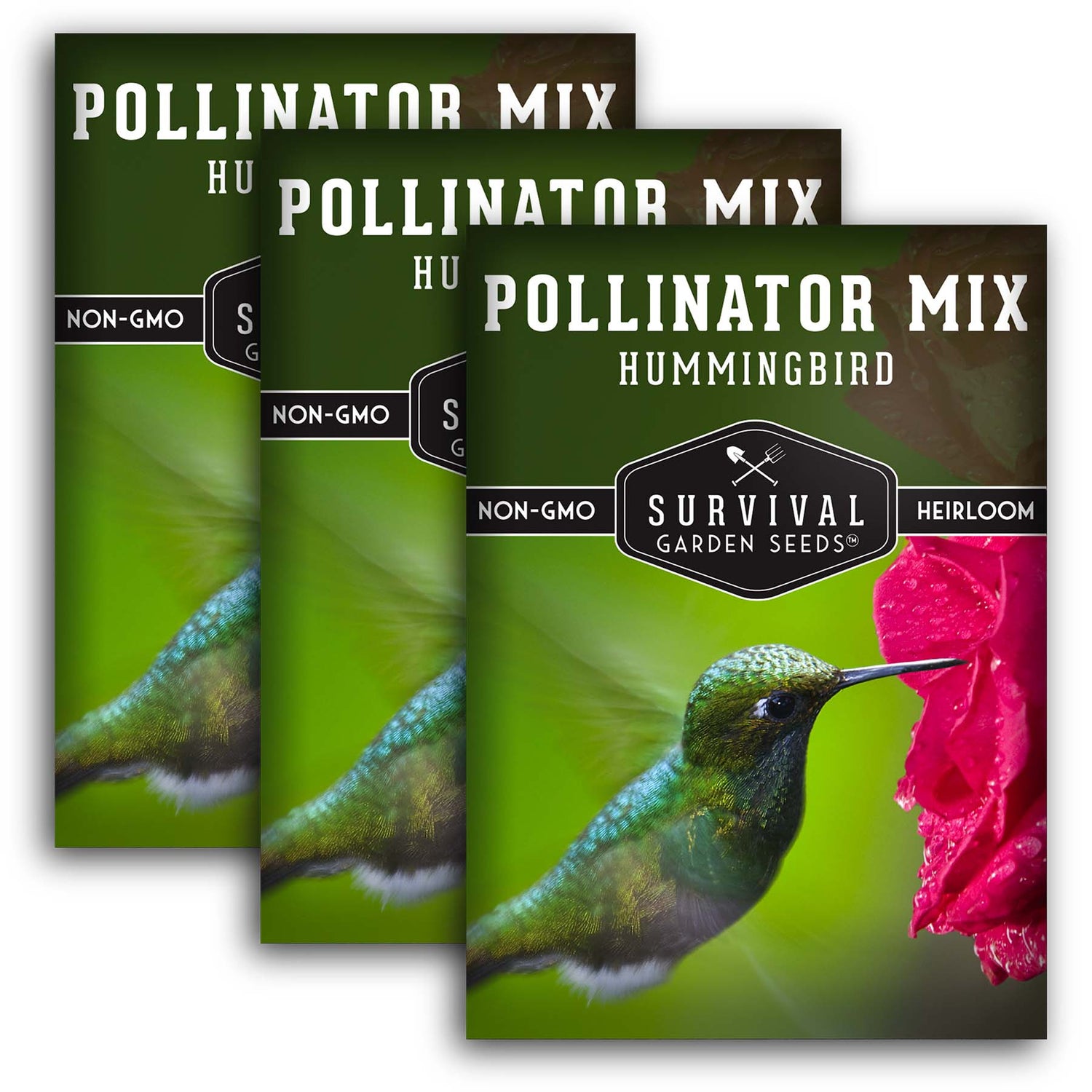
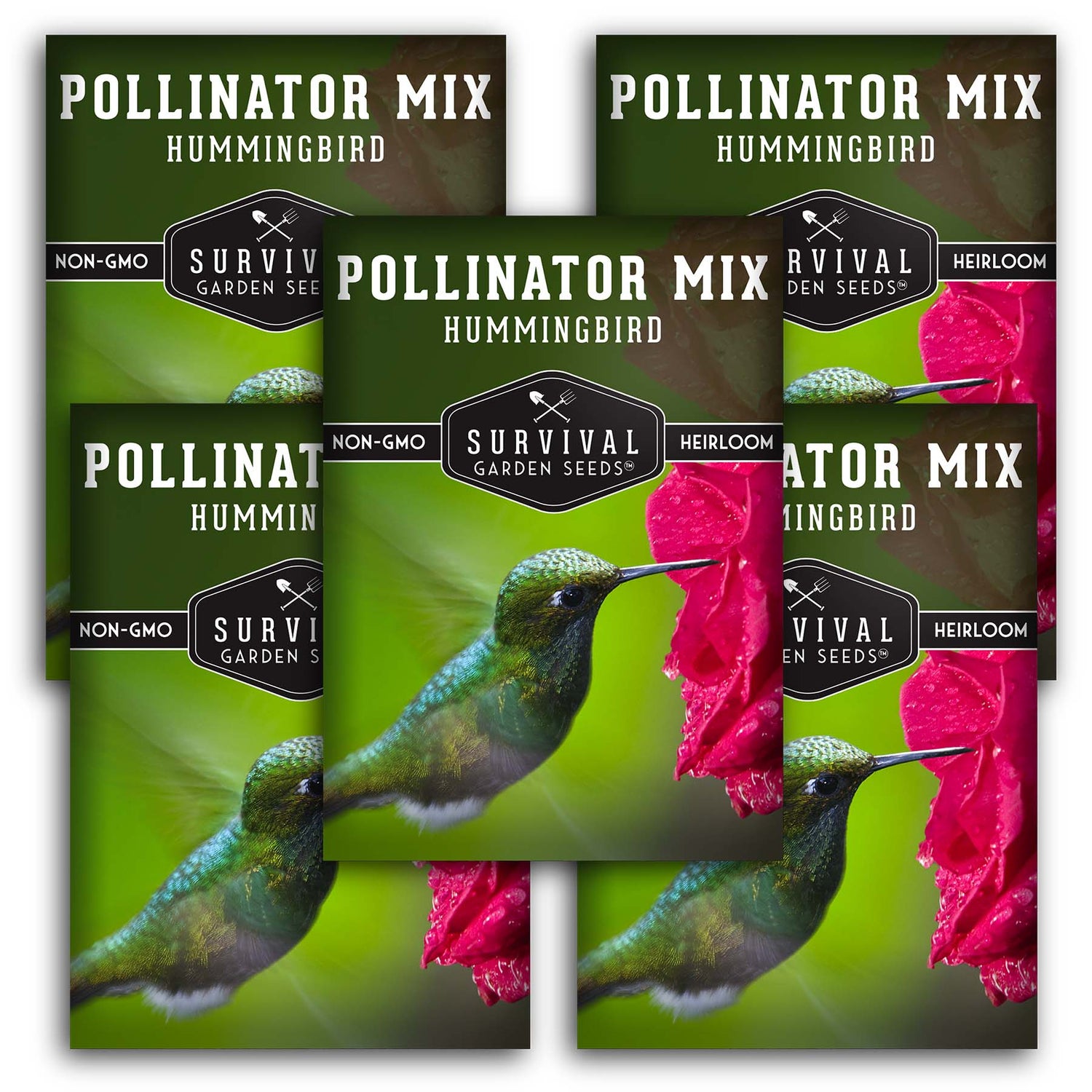
Pollinator Flower Seed Mix for Hummingbirds 2026
Pollinator Flower Seed Mix for Hummingbirds 2026 is backordered and will ship as soon as it is back in stock.

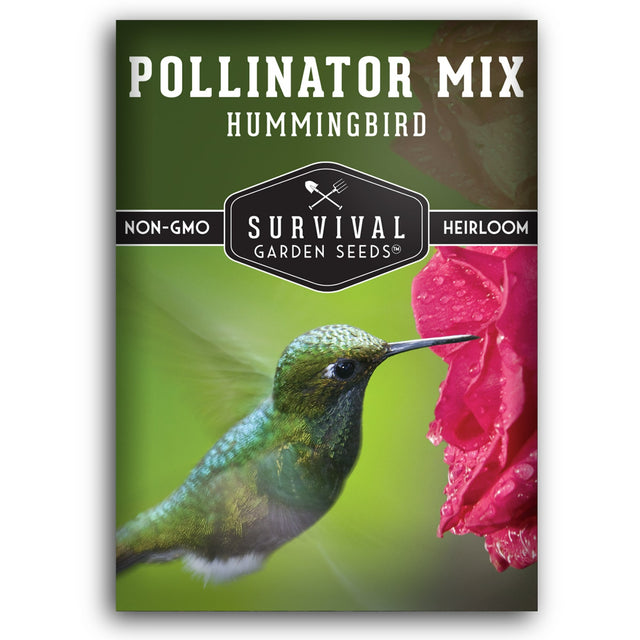
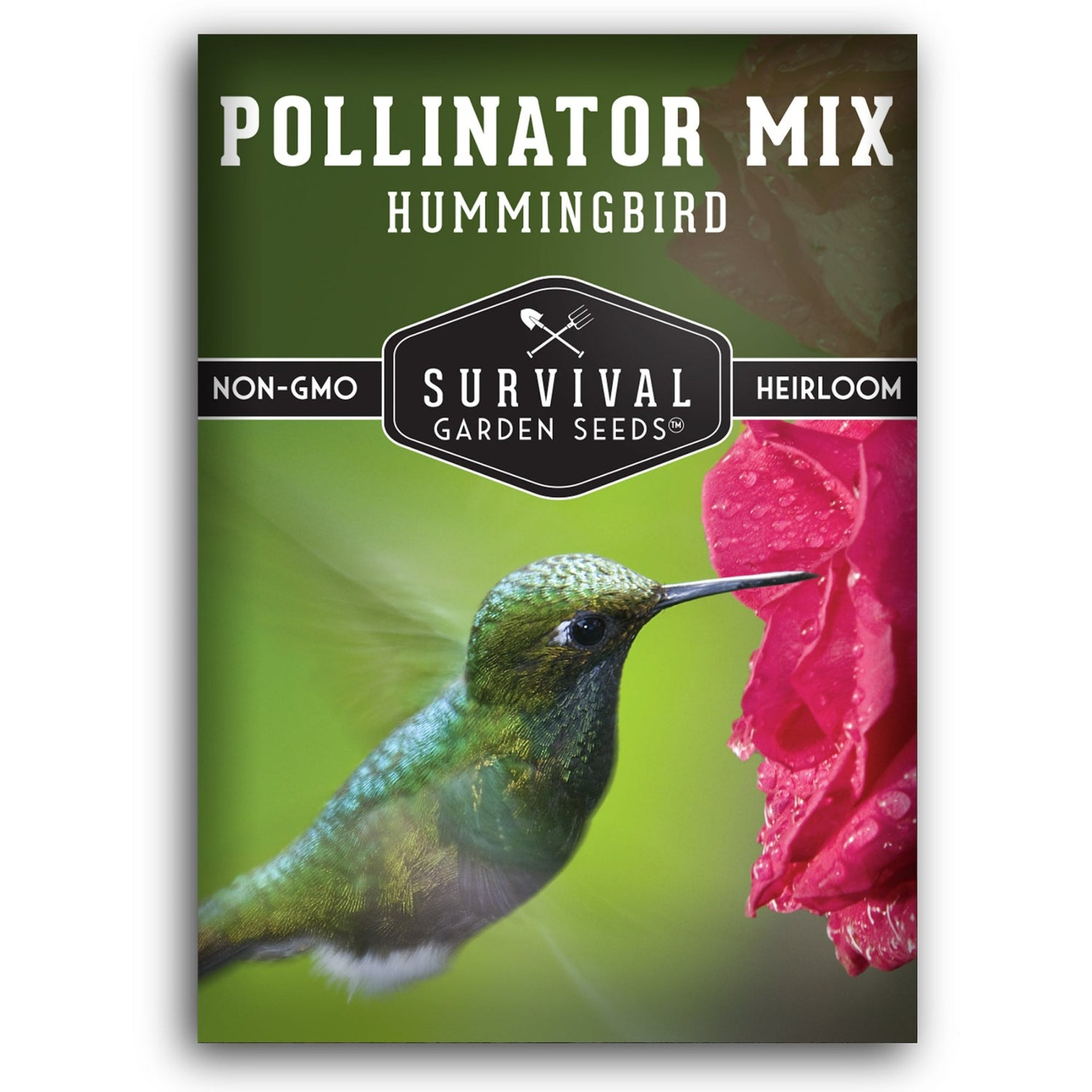
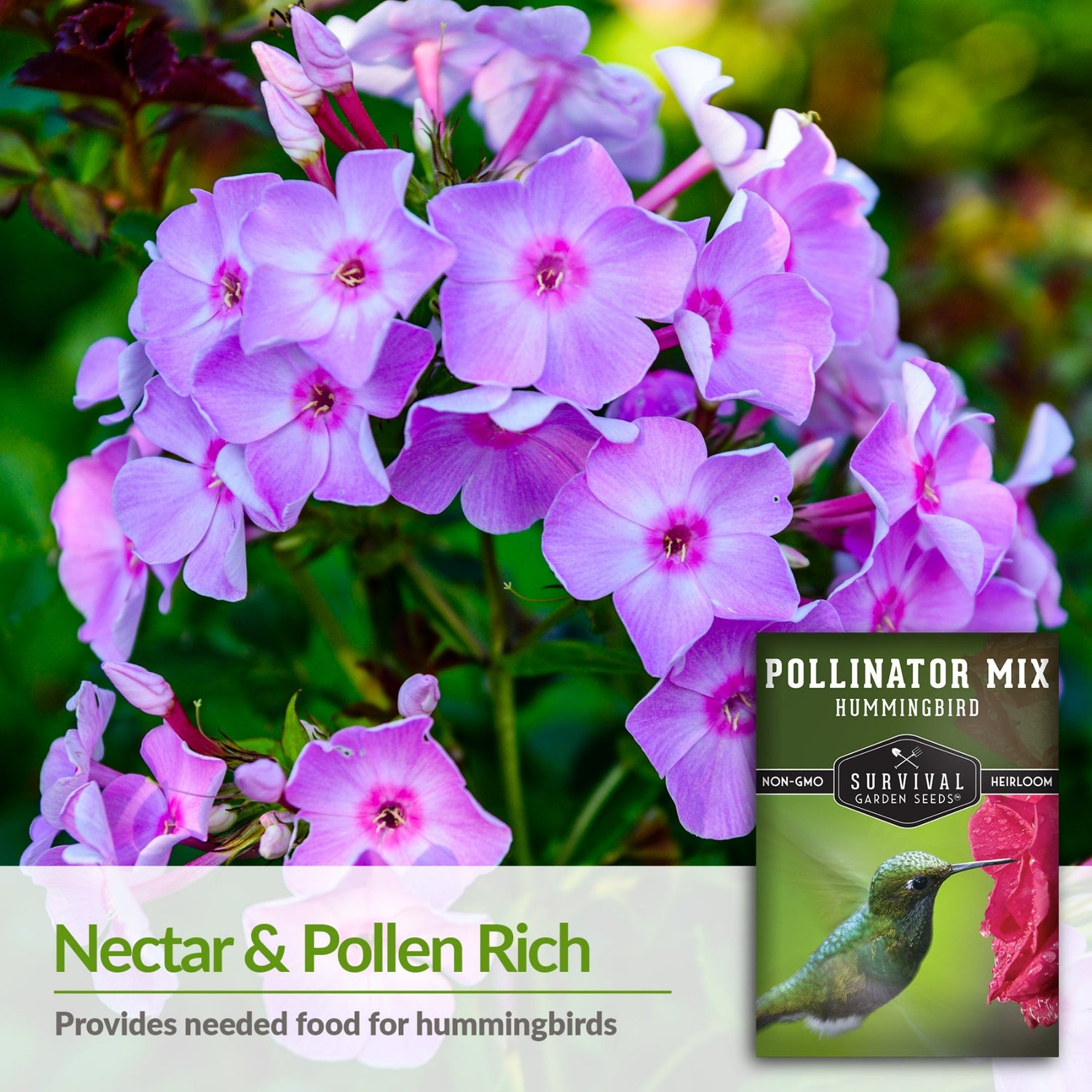
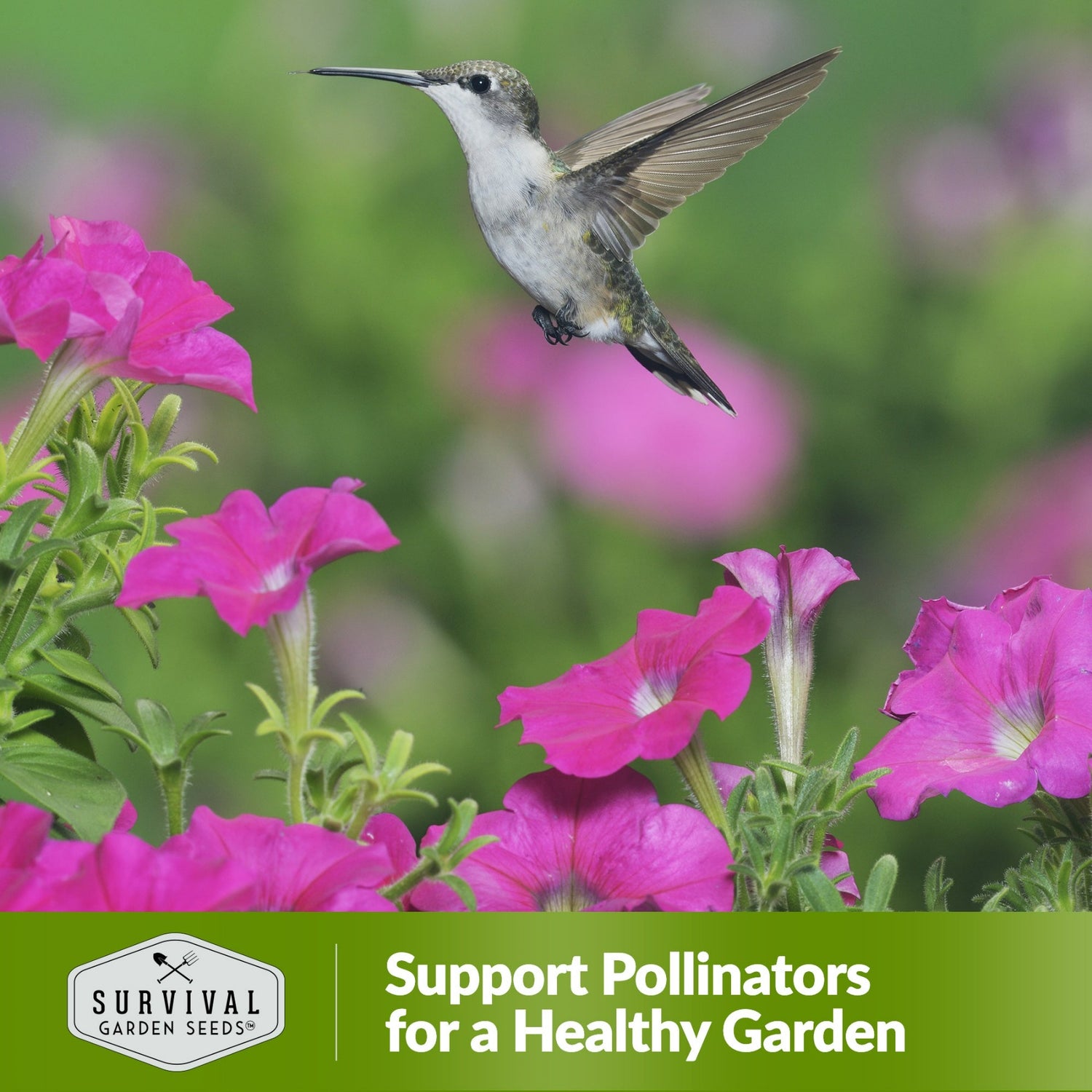
Invite hummingbirds into your garden with the Pollinator Flower Seed Mix for Hummingbirds from Survival Garden Seeds. This thoughtfully selected blend of annual and perennial flowers is rich in nectar and designed to provide consistent blooms throughout the growing season. The mix supports hummingbirds while also attracting bees, butterflies, and other beneficial pollinators that help create a healthy, thriving garden ecosystem.
Featuring a balance of native wildflowers and well-adapted garden favorites, this mix delivers vibrant color, varied flower shapes, and reliable nectar sources that hummingbirds naturally seek. Ideal for pollinator gardens, borders, and naturalized areas, it offers both beauty and ecological value.
Nectar-Rich Flowers Hummingbirds Love:
This mix includes a diverse selection of blooms chosen for their nectar production and pollinator appeal:
- Annual Phlox (Phlox drummondii)
- Eastern Columbine (Aquilegia canadensis)
- Elegant Lupine (Lupinus elegans)
- Four O’Clocks (Mirabilis jalapa)
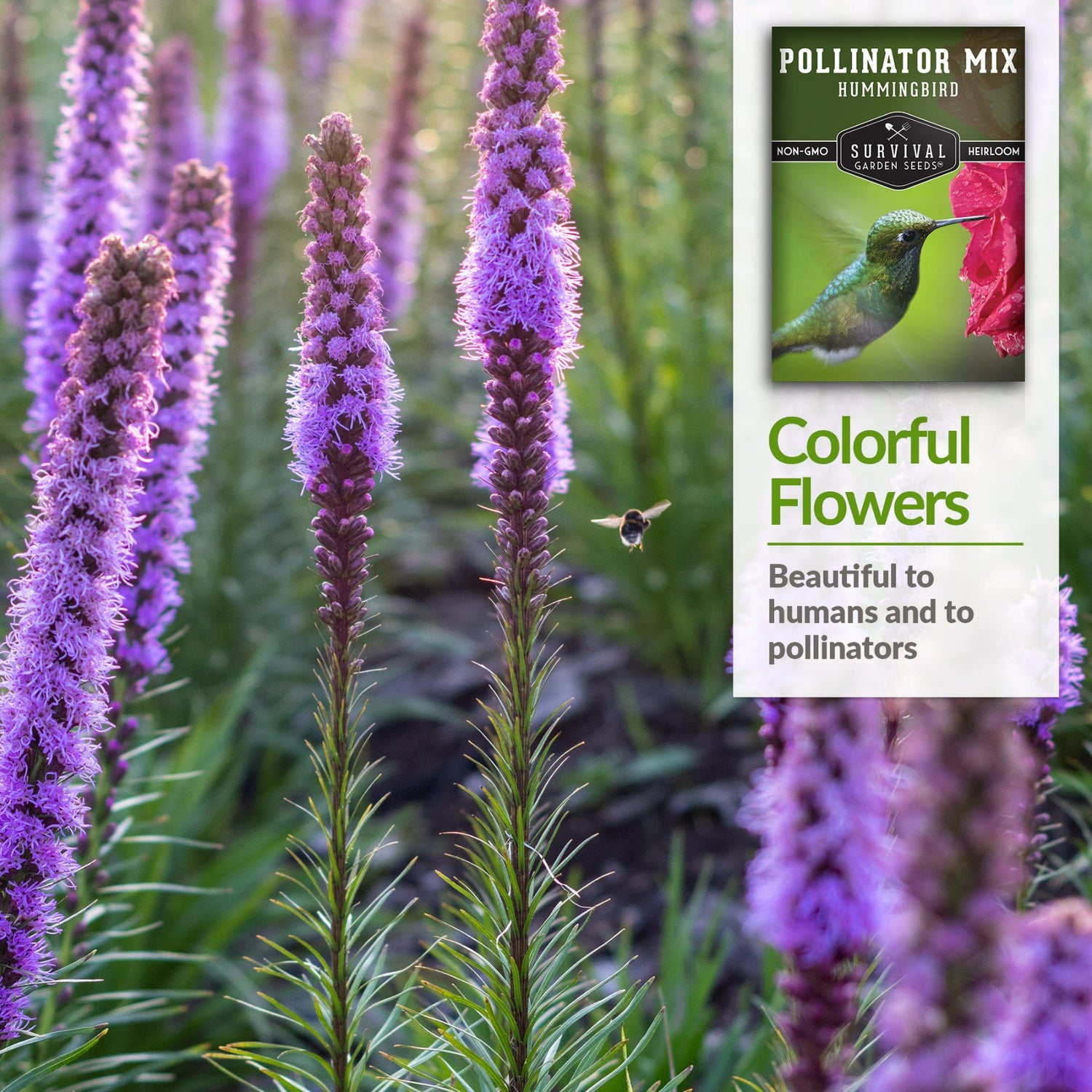
- Gayfeather (Liatris spicata)
- Giant Columbine (Aquilegia caerulea)
- Lemon Mint (Monarda citriodora)
- Perennial Lupine (Lupinus perennis)
- Rocket Larkspur (Delphinium consolida)
- Rocky Mountain Penstemon (Penstemon strictus)
- Scarlet Sage (Salvia coccinea)
- Spurred Snapdragon (Linaria maroccana)
- Sweet William Pinks (Dianthus barbatus)
- Tussock Bellflower (Campanula carpatica)
- Wild Petunia (Petunia violacea)
Why Customers Love Pollinator Flower Seed Mix for Hummingbirds:
- Attracts hummingbirds with nectar-rich blooms
- Supports bees, butterflies, and other beneficial pollinators
- Includes both annuals and perennials for extended bloom periods
- Provides season-long color and wildlife interest
- Ideal for pollinator gardens, meadows, and naturalized plantings
How to Use / How to Grow:
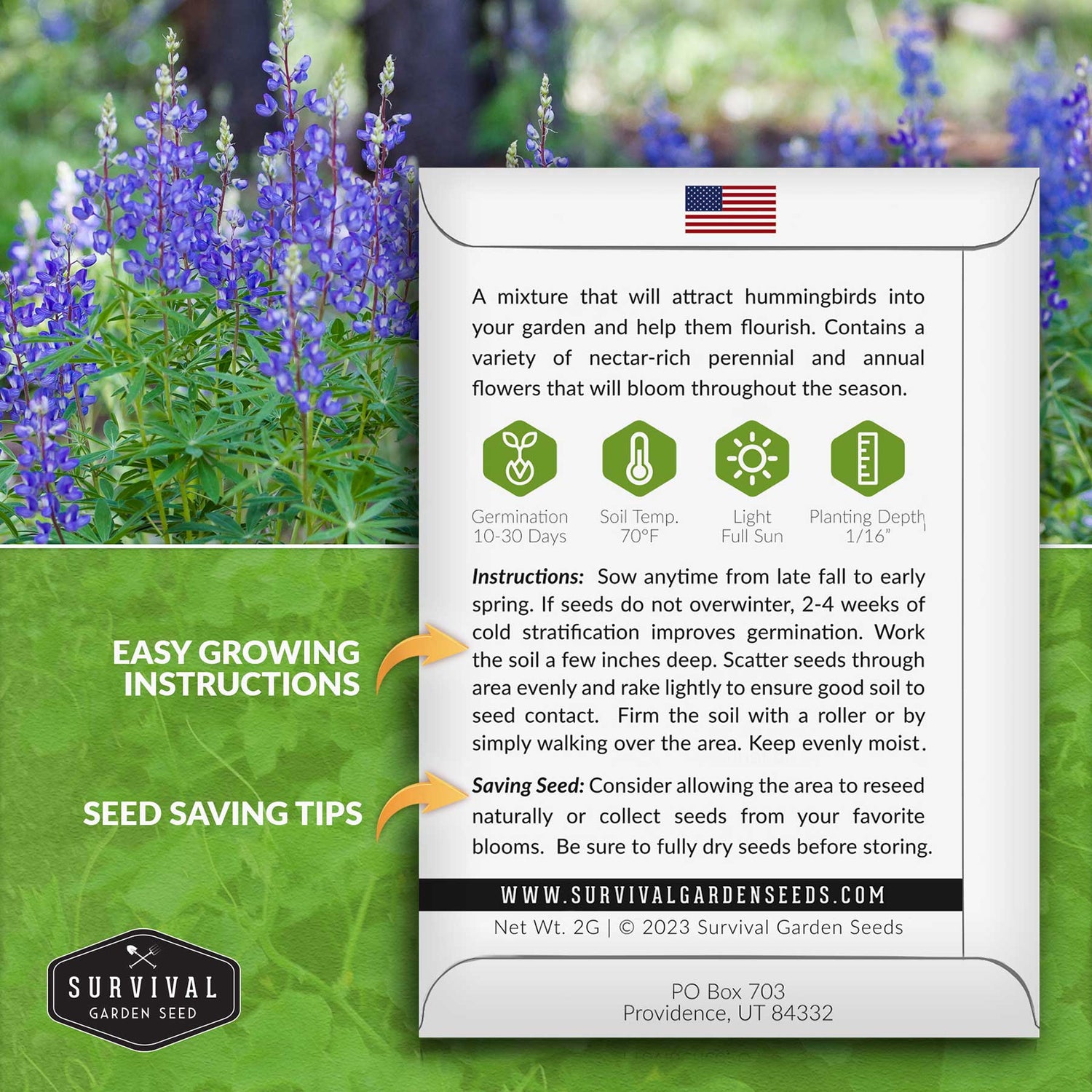
Sow seeds outdoors after the last frost or start indoors for earlier blooms. Lightly cover seeds with soil and keep evenly moist until germination. Cold stratification is recommended for improved results. To stratify indoors, place seeds in a damp paper towel, roll it up, seal in a bag, and refrigerate for 2–3 weeks before sowing. Plant in full sun to partial shade and water regularly as plants establish.
Care & Garden Use:
Allow flowers to mature and bloom fully to provide continuous nectar sources. Leaving some flowers to go to seed can help encourage reseeding and long-term pollinator habitat.
Net Wt. 2G
Pollinator Flower Seed Mix for Hummingbirds 2026
Heirloom Garden Seeds
All of our seeds are open-pollinated, non-GMO, heirloom varieties with tested germination rates
Specifications
Specifications
-
Botanical Name-
-
Planting Zones
-
Light
-
Soil Temp for Germination
-
Germination Time
-
Planting Depth
-
Plant Size
-
Days to Harvest
-
Growing Instructions
-
Seed Saving Instructions
-
Approximate Number of Seeds Per Packet
Payment & Security
Your payment information is processed securely. We do not store credit card details nor have access to your credit card information.
Why Choose Survival Garden Seeds
At Survival Garden Seeds, we believe in preparing today for tomorrow’s peace of mind. That’s why we offer only heirloom, non-GMO, and untreated seeds you can trust to nourish your family and support a sustainable lifestyle. As a family-owned American company, we’re committed to providing seeds that grow strong and true—helping you cultivate health, resilience, and beauty in your garden.
Frequently Asked Questions
What are heirloom seeds?
What are heirloom seeds?
Heirloom seeds are the types of seeds your grandparents grew. These varieties have been passed down from generation to generation. They’re old reliable open-pollinated varieties that aren’t typically grown commercially. Instead, they have a rich history that predates modern breeding techniques.
You can learn more about open-pollinated, heirloom, and non-GMO seeds in our Survival Garden Training blog.
Where are Survival Garden Seeds sourced?
Where are Survival Garden Seeds sourced?
The majority of our seeds are sourced in the United States, with a few exceptions when the seed is difficult to source domestically. Whenever we do have to source outside of the US, we ensure our seeds are safe to grow, non-GMO varieties that meet our standards for germination and reliability.
Are your seeds treated?
Are your seeds treated?
No, we do not pre-treat our farmer seeds. All of our garden seeds for sale are untreated, open-pollinated, non-GMO, and heirloom varieties. They are kept in temperature-controlled cooler storage until they are packed and shipped to keep them pest and disease-free.
In what zones can I grow your seeds?
In what zones can I grow your seeds?
The seeds in our collections are specifically chosen from varieties that can be successfully grown from Zone 3 to Zone 10 USDA Hardiness Zones. However, individual varieties have specific needs to thrive in different environments. Each seed pack has optimal temperatures for germination and instructions on seed starting. Consult local frost dates to plan your garden and get the most out of your seeds.
What is the shelf life of these gardening seeds?
What is the shelf life of these gardening seeds?
Our seeds will generally last for 3-10 years if they are appropriately stored in a cool, dry place. However, we encourage you to grow your survival seeds within a year or two of purchase. This yields the best germination rates possible and also gives you more experience growing survival food now. At the end of the growing season, follow the instructions on the back of each packet for saving seeds for future gardens. These new seeds for survival will be more adapted to thrive in the growing conditions where you are.