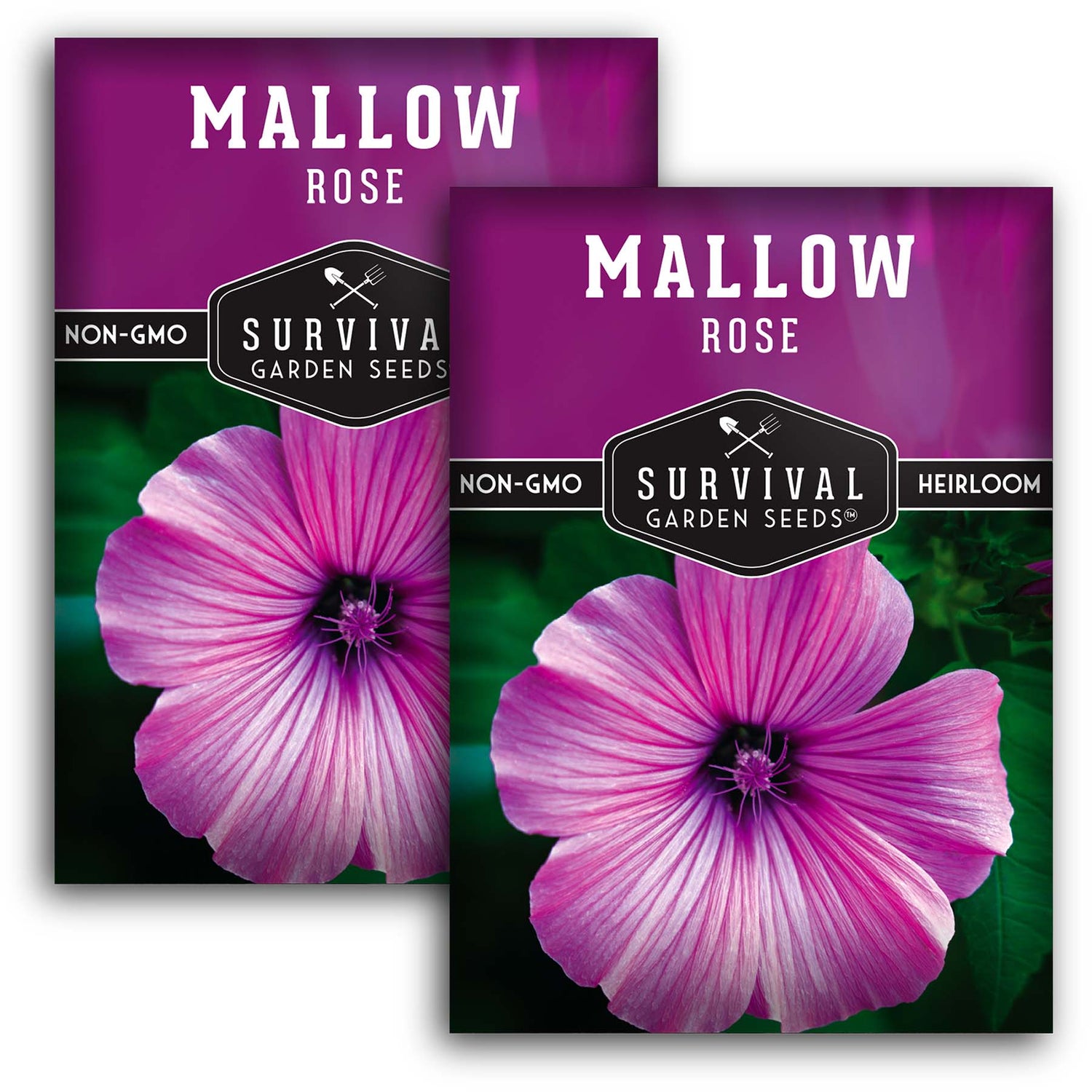
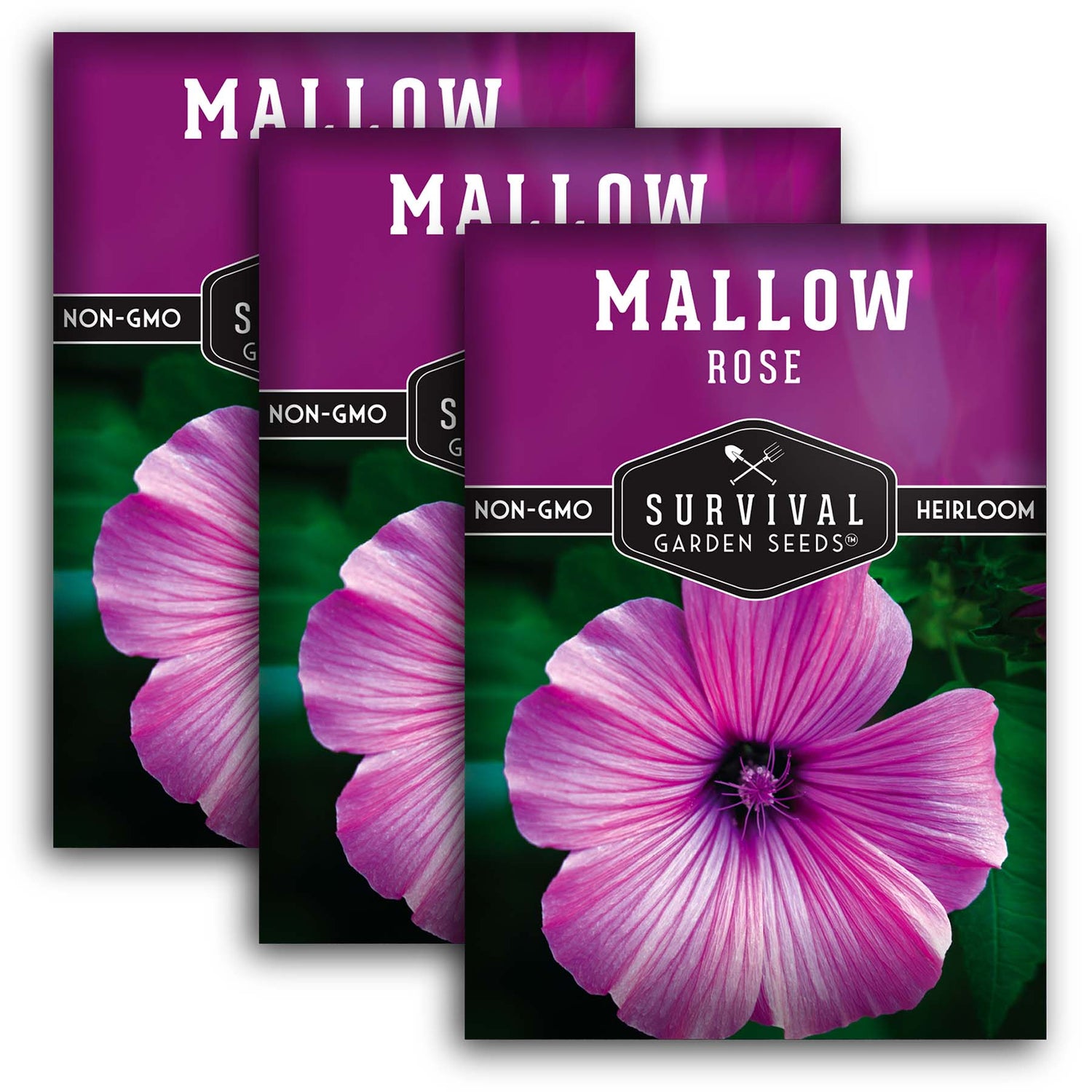
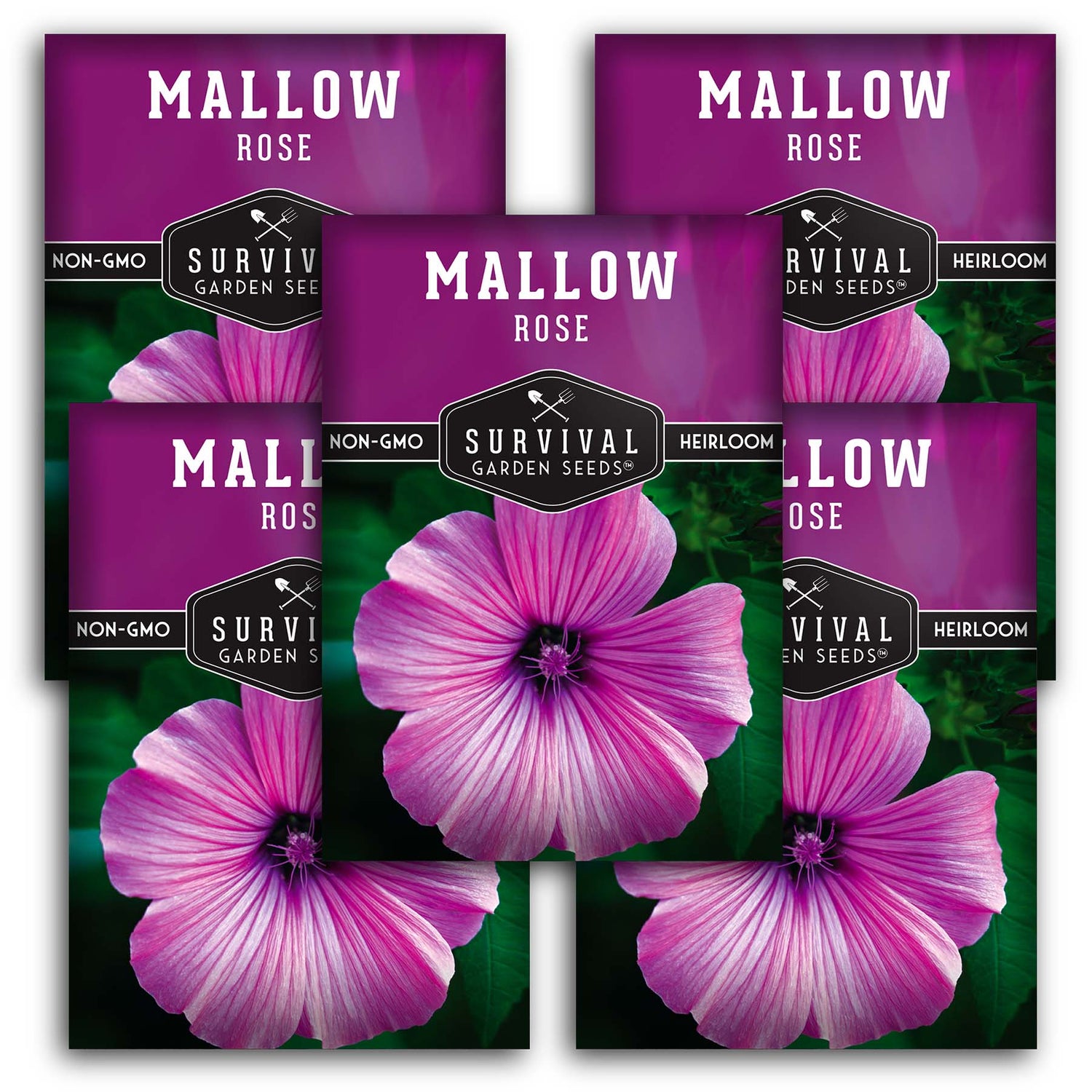
Rose Mallow Seeds – Native Hibiscus with Large Pink Blooms for Pollinator & Wetland Gardens
Heirloom - Non-GMO - Reliable Germination
Rose Mallow Seeds – Native Hibiscus with Large Pink Blooms for Pollinator & Wetland Gardens - 1 Packet is backordered and will ship as soon as it is back in stock.
Couldn't load pickup availability

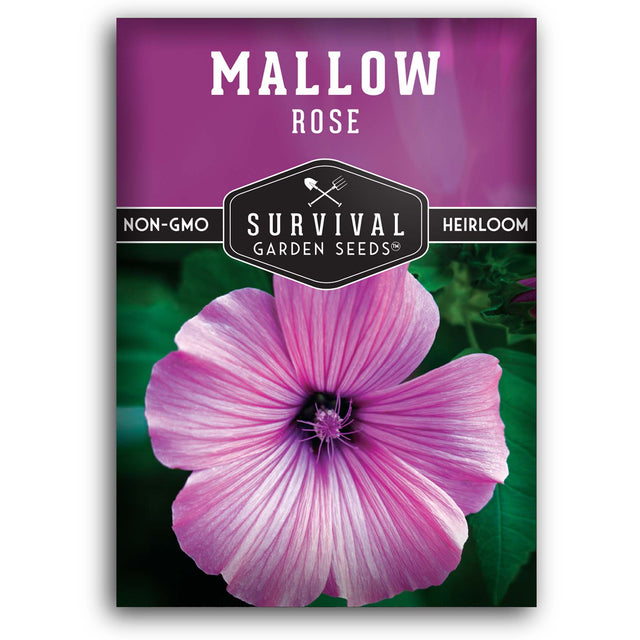
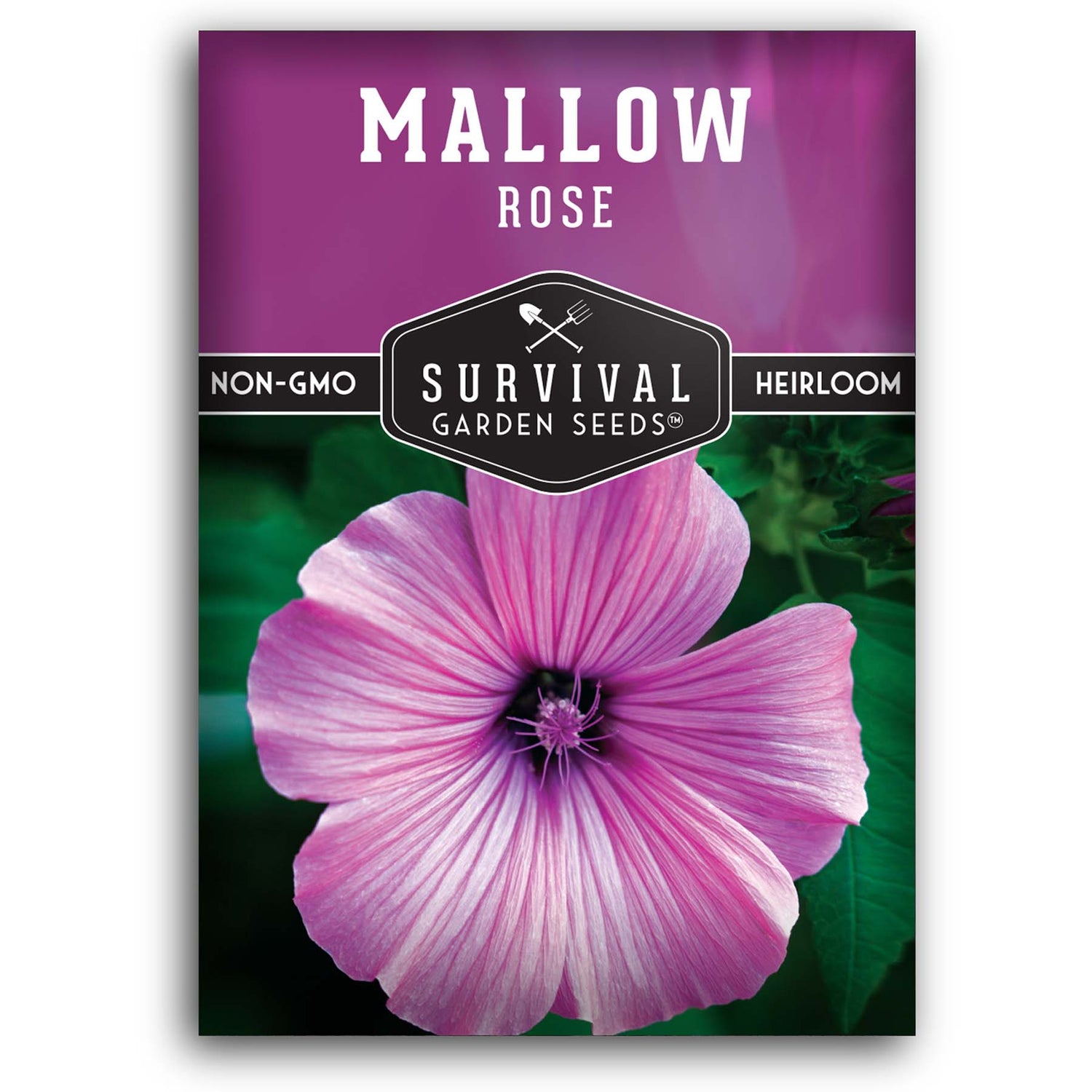
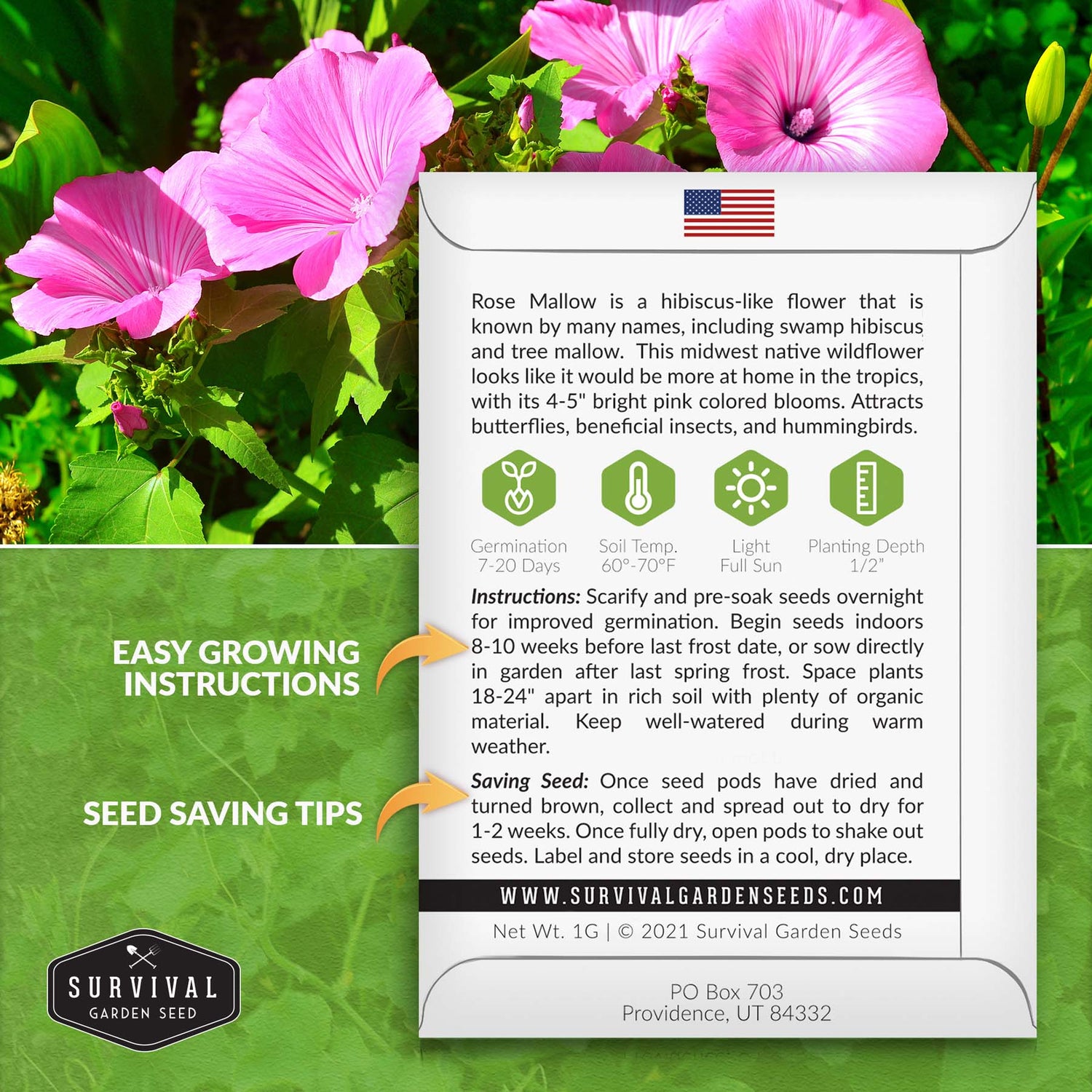
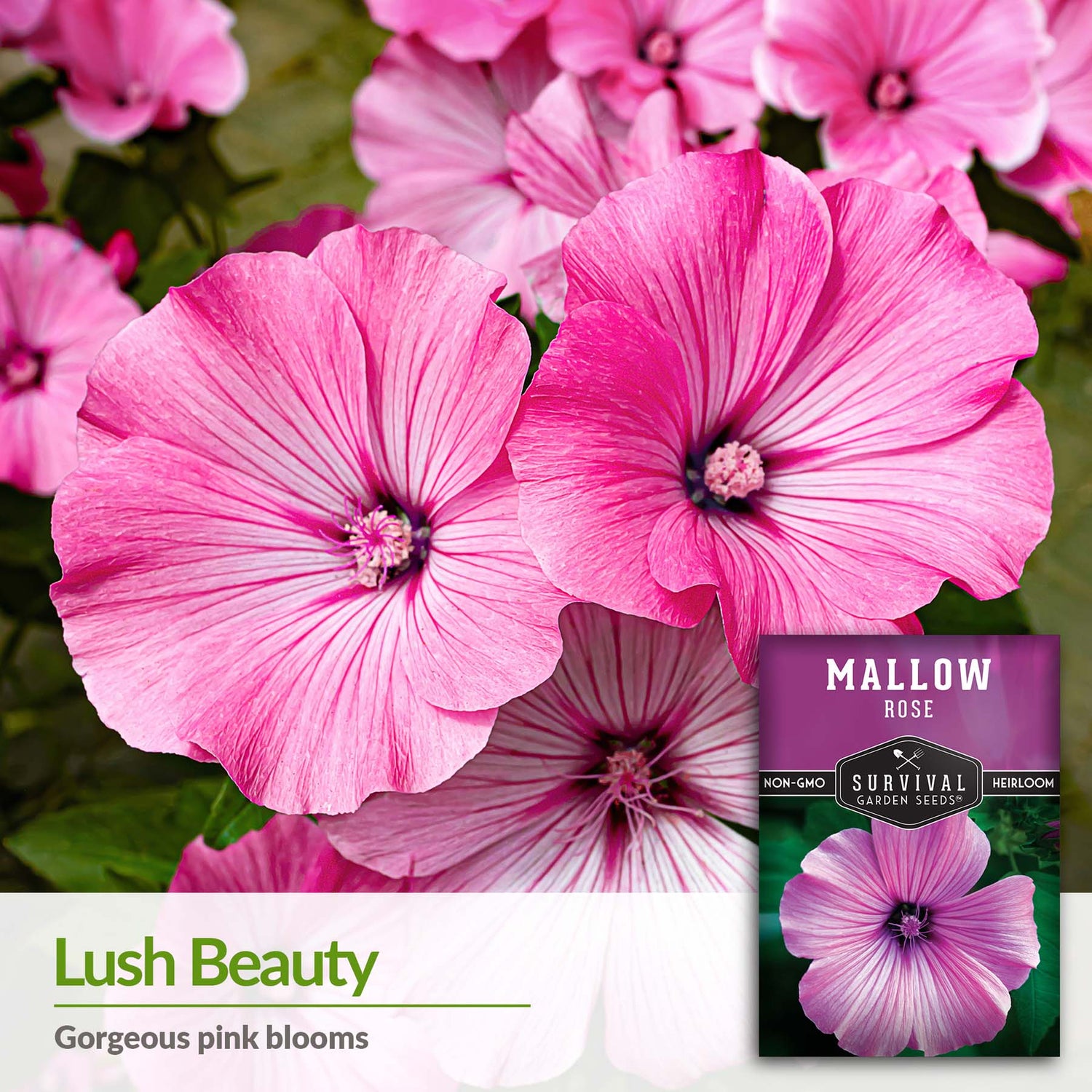
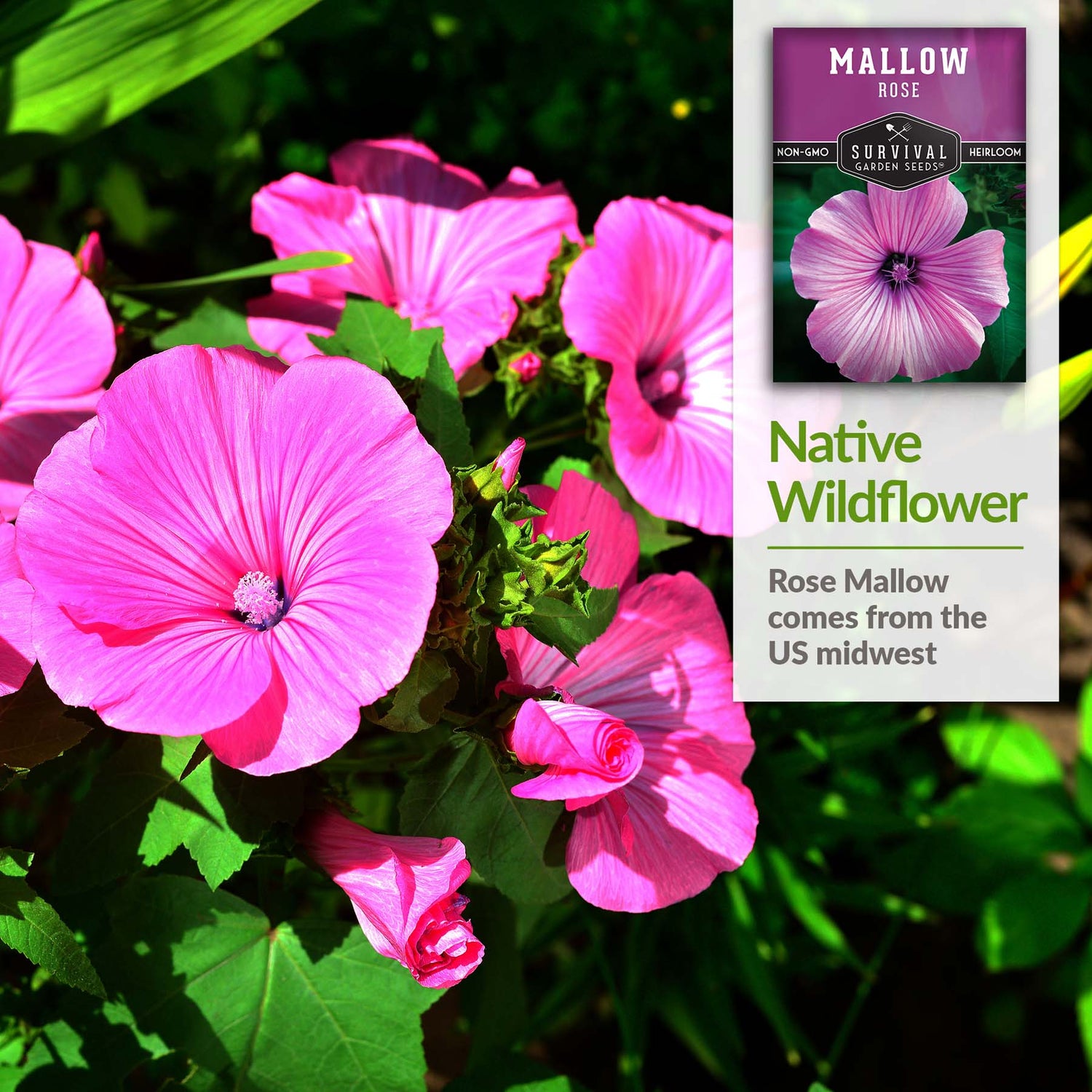
Rose Mallow Seeds grow into a striking native wildflower known for its bold, hibiscus-like blooms and strong pollinator appeal. Also called swamp hibiscus or tree mallow, rose mallow is native to the U.S. Midwest and brings a lush, tropical look to temperate gardens. Its showy flowers measure an impressive 4–5 inches across and bloom in vibrant shades of bright pink.
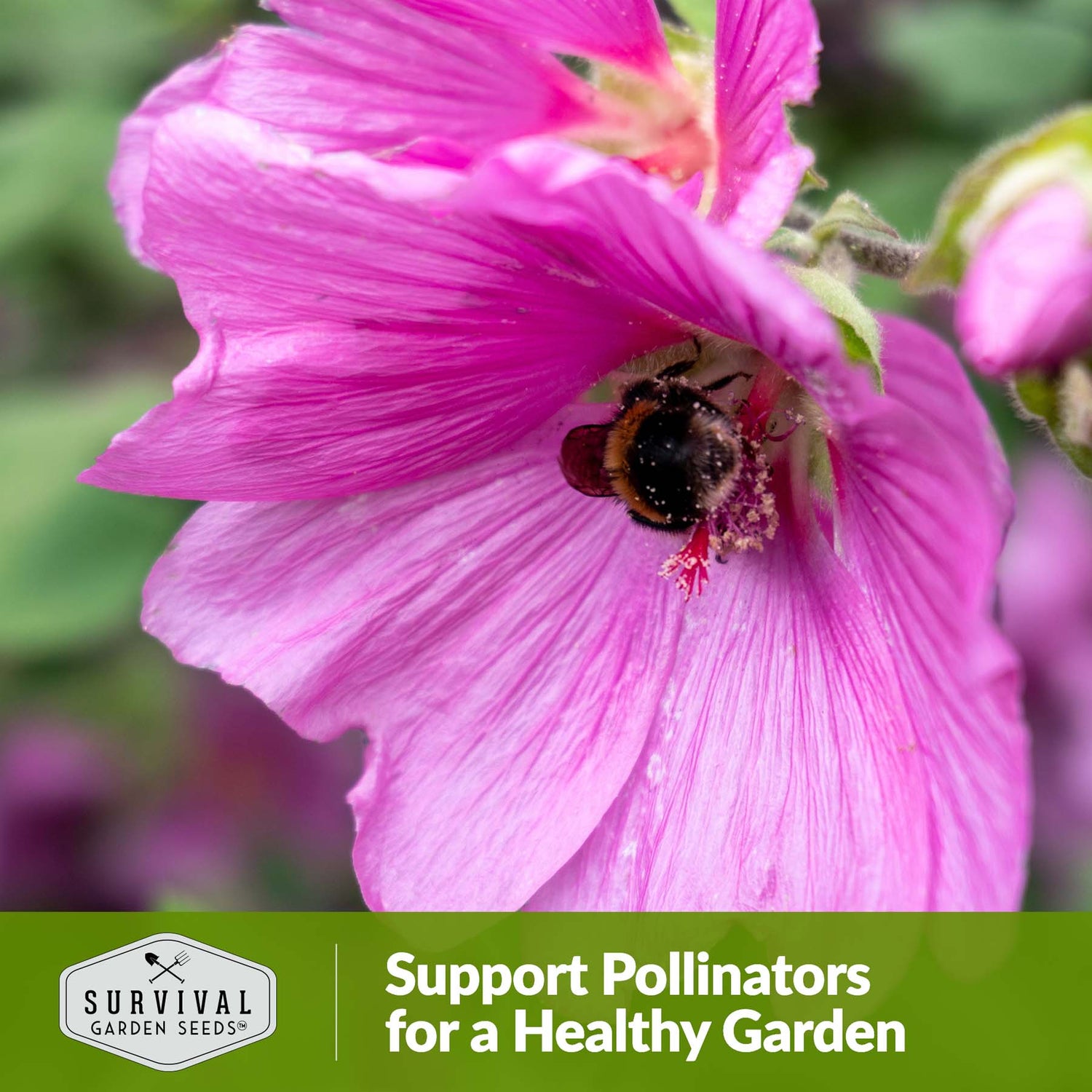
Despite its exotic appearance, rose mallow is well adapted to North American growing conditions and performs reliably in garden beds, pollinator plantings, and naturalized landscapes. The large flowers are rich in nectar, making them especially attractive to butterflies, bees, beneficial insects, and hummingbirds. Blooms are also well suited for cut flower arrangements.
Bold Native Beauty with Tropical Appeal:
- Large 4–5 inch hibiscus-like pink flowers
- Native Midwest wildflower with dramatic presence
- Eye-catching blooms for garden or indoor arrangements
- Adds color and structure to pollinator landscapes
Why Customers Love Rose Mallow:
- Tropical-looking flowers from a hardy native plant
- Strong attraction for butterflies and hummingbirds
- Impressive flower size and vivid color
- Excellent choice for pollinator and native plant gardens
How to Use / How to Grow:
Sow rose mallow seeds in full sun to partial shade in well-drained soil. This native perennial performs especially well in consistently moist locations but adapts to average garden conditions once established. Provide regular watering during early growth for best results.
Plants develop a sturdy growth habit and bloom during the warm season. Allow spent flowers to mature if seed collection or natural reseeding is desired, or deadhead to maintain a tidy appearance.
Net Wt. 1G
Rose Mallow Seeds – Native Hibiscus with Large Pink Blooms for Poll...
Heirloom Flower Seeds
All of our seeds are open-pollinated, non-GMO, heirloom varieties with tested germination rates
Specifications
Specifications
-
Botanical Name
-
Seasonality
-
Planting Zones
-
Light
-
Soil Temp for Germination
-
Germination Time
-
Planting Depth
-
Plant Size
-
Days to Bloom
-
Growing Instructions
-
Seed Saving Instructions
-
Seed Count (approximate)
Payment & Security
Your payment information is processed securely. We do not store credit card details nor have access to your credit card information.
Why Choose Survival Garden Seeds
At Survival Garden Seeds, we believe in preparing today for tomorrow’s peace of mind. That’s why we offer only heirloom, non-GMO, and untreated seeds you can trust to nourish your family and support a sustainable lifestyle. As a family-owned American company, we’re committed to providing seeds that grow strong and true—helping you cultivate health, resilience, and beauty in your garden.
Frequently Asked Questions
Are your seeds heirloom and open-pollinated?
Are your seeds heirloom and open-pollinated?
Yes. All of our seeds are heirloom, open-pollinated varieties, which means they can produce seeds that grow true to type and are suitable for seed saving.
You can learn more about open-pollinated, heirloom, and non-GMO seeds in our Survival Garden Training blog.
Are your seeds non-GMO?
Are your seeds non-GMO?
Yes. All Survival Garden Seeds are 100% non-GMO. Our seeds are open-pollinated heirloom varieties and are never genetically modified.
Are your seeds treated with chemicals?
Are your seeds treated with chemicals?
No. Our seeds are completely untreated and free from chemical coatings, fungicides, or synthetic treatments.
How do I know my seeds are fresh?
How do I know my seeds are fresh?
Every seed packet includes a packed-for date, and we germination-test each seed lot before packaging to ensure high viability.
What is the shelf life of these gardening seeds?
What is the shelf life of these gardening seeds?
Most seeds remain viable for 3 to 5 years or longer when stored properly in a cool, dry place away from light and moisture.
In what USDA hardiness zones can I grow your seeds?
In what USDA hardiness zones can I grow your seeds?
Our varieties are selected to grow successfully across USDA Hardiness Zones 3 through 10. Each packet includes variety-specific planting guidance and germination tips.