Rose Milkweed Seeds 2026
Rose Milkweed Seeds 2026 is backordered and will ship as soon as it is back in stock.

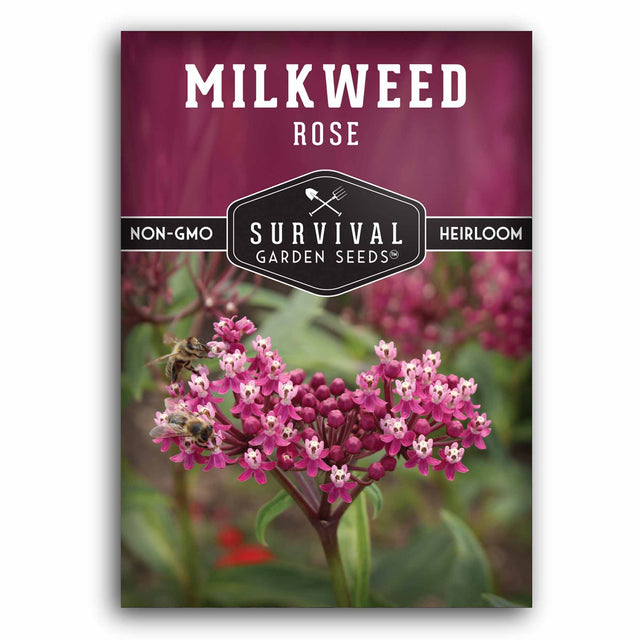
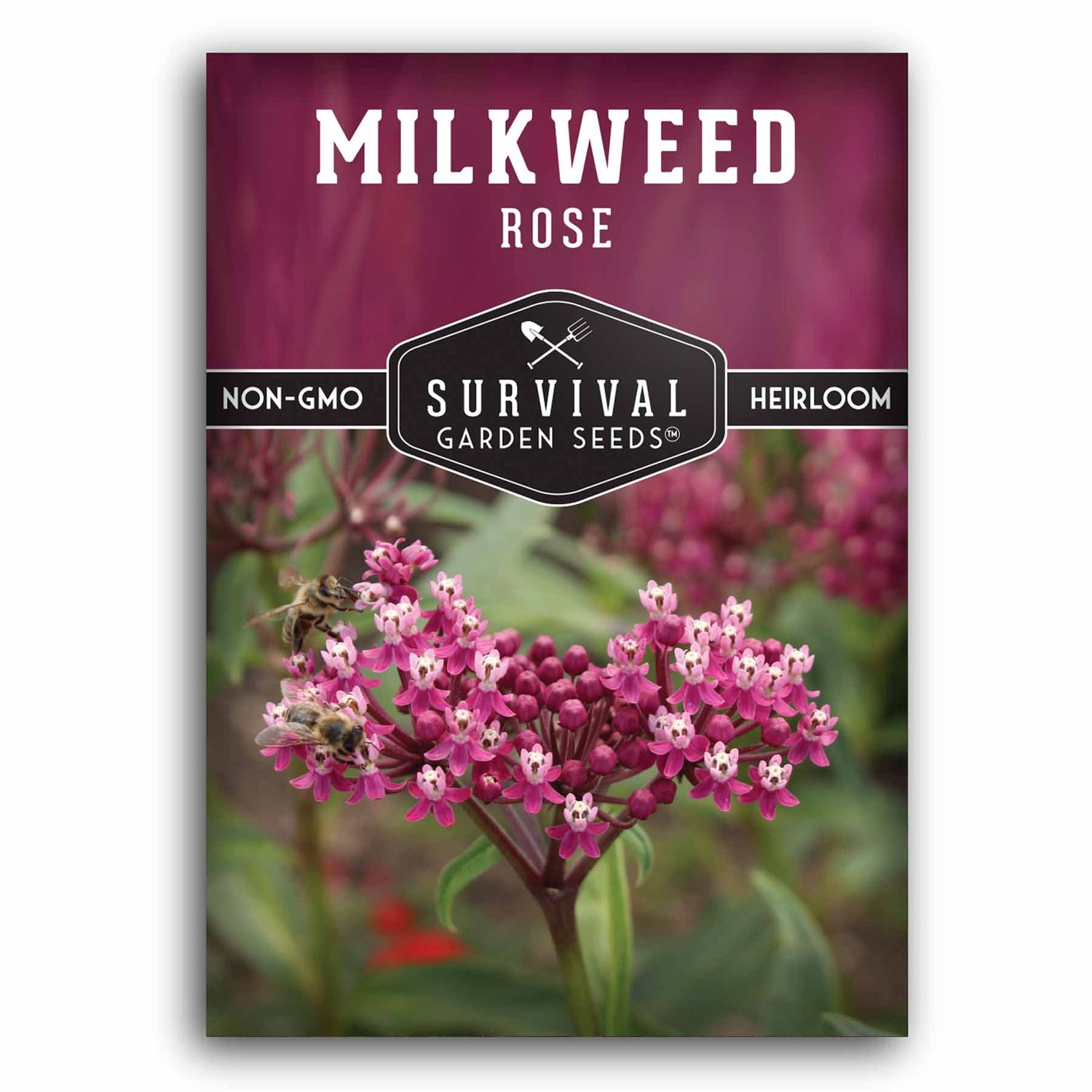
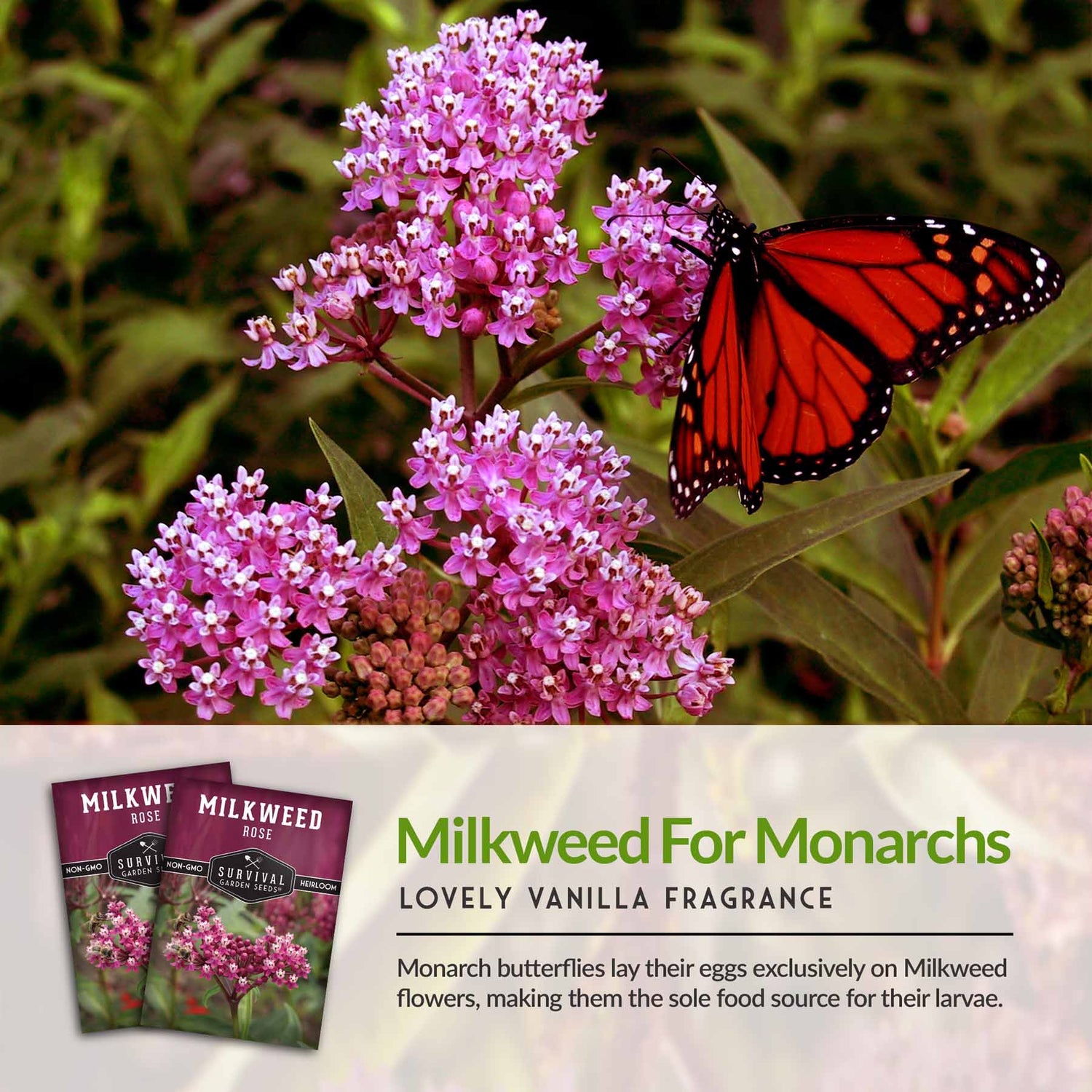
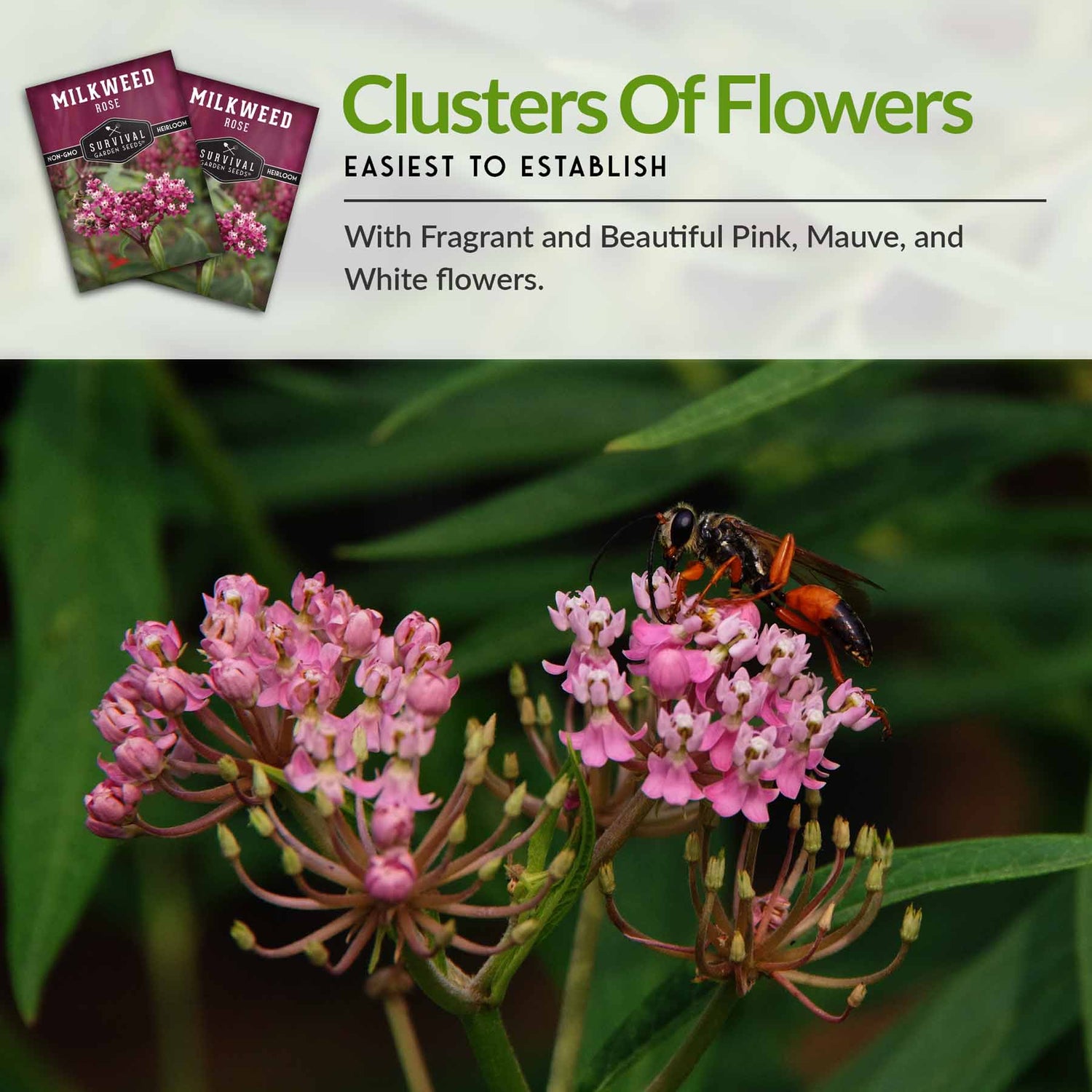
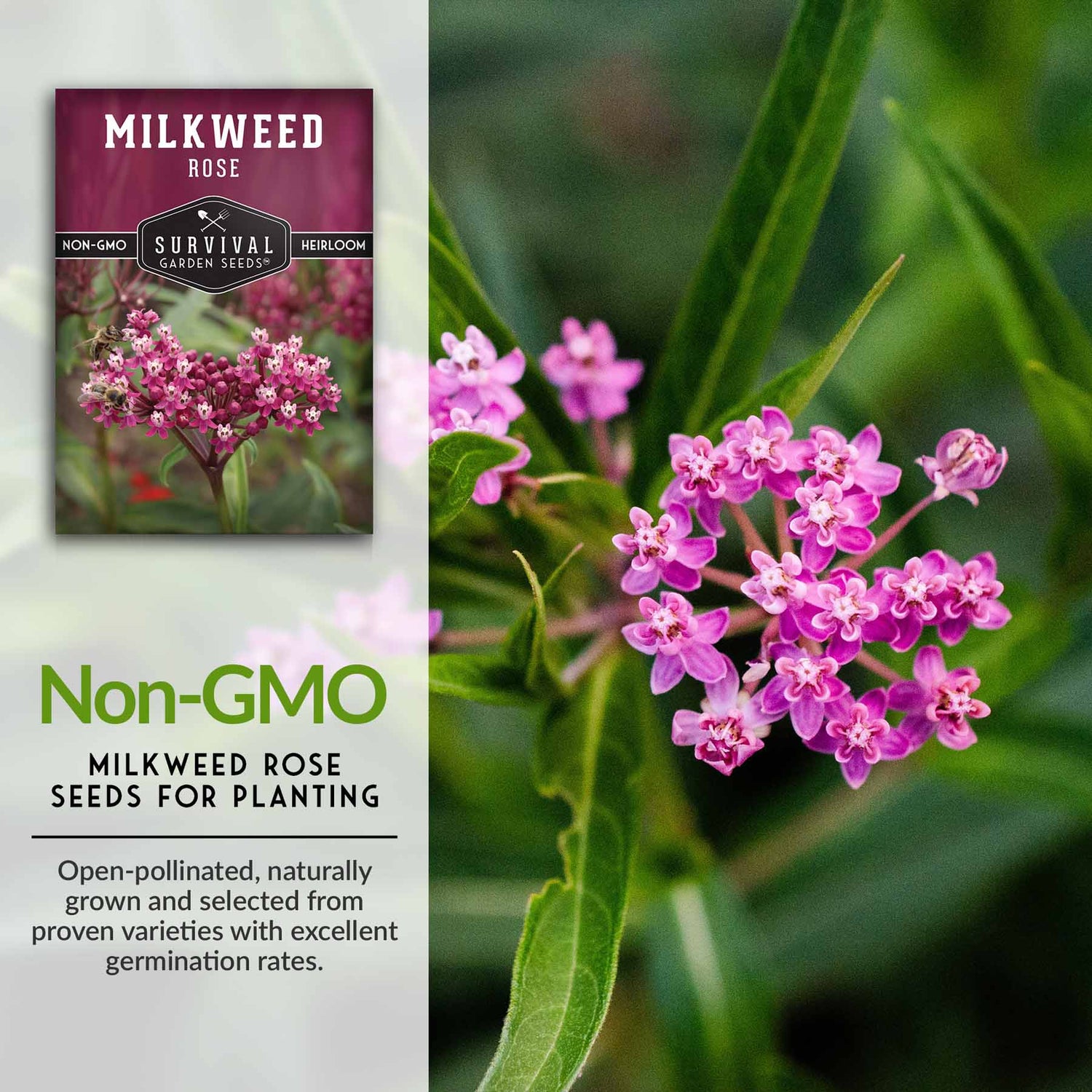
Support Monarch butterflies and build a thriving pollinator habitat with Rose Milkweed seeds, also known as Swamp Milkweed (Asclepias incarnata). This native perennial grows 24–40 inches tall and features smooth, narrow leaves topped with clusters of dusty rose to purple, star-shaped flowers. Rose Milkweed is an essential plant in the Monarch life cycle, providing nectar for adults and vital habitat and food for caterpillars.
Well-suited for moist soils and wetland-style plantings, Rose Milkweed offers strong ecological value without aggressive spreading. Its upright growth and soft pink blooms make it a beautiful and practical addition to pollinator gardens, rain gardens, and naturalized areas.
Swamp Milkweed with Distinct Beauty and Balance:
Known by several common names—including rose milkweed, red milkweed, and marsh milkweed—Asclepias incarnata is native across most of North America. Unlike Common Milkweed, it is more clump-forming and easier to manage in garden settings.
Plant characteristics:
- Native perennial wildflower
- Grows approximately 24–40 inches tall
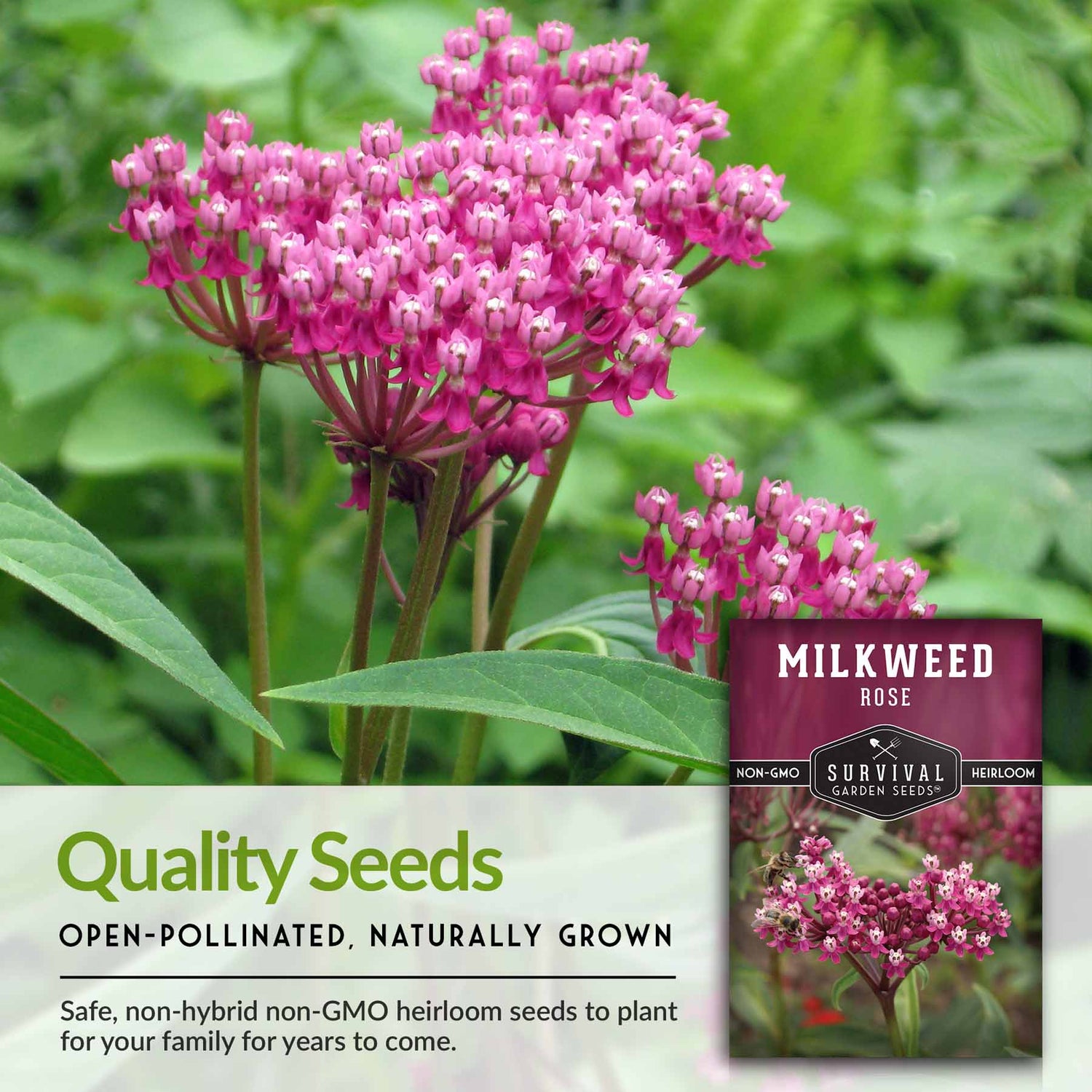
- Narrow leaves with clusters of dusty pink to purple flowers
- Thrives in moist soils, wetlands, and rain gardens
- Deer and rabbit resistant
Why Customers Love Rose Milkweed Seeds:
- Essential host plant for Monarch butterflies and caterpillars
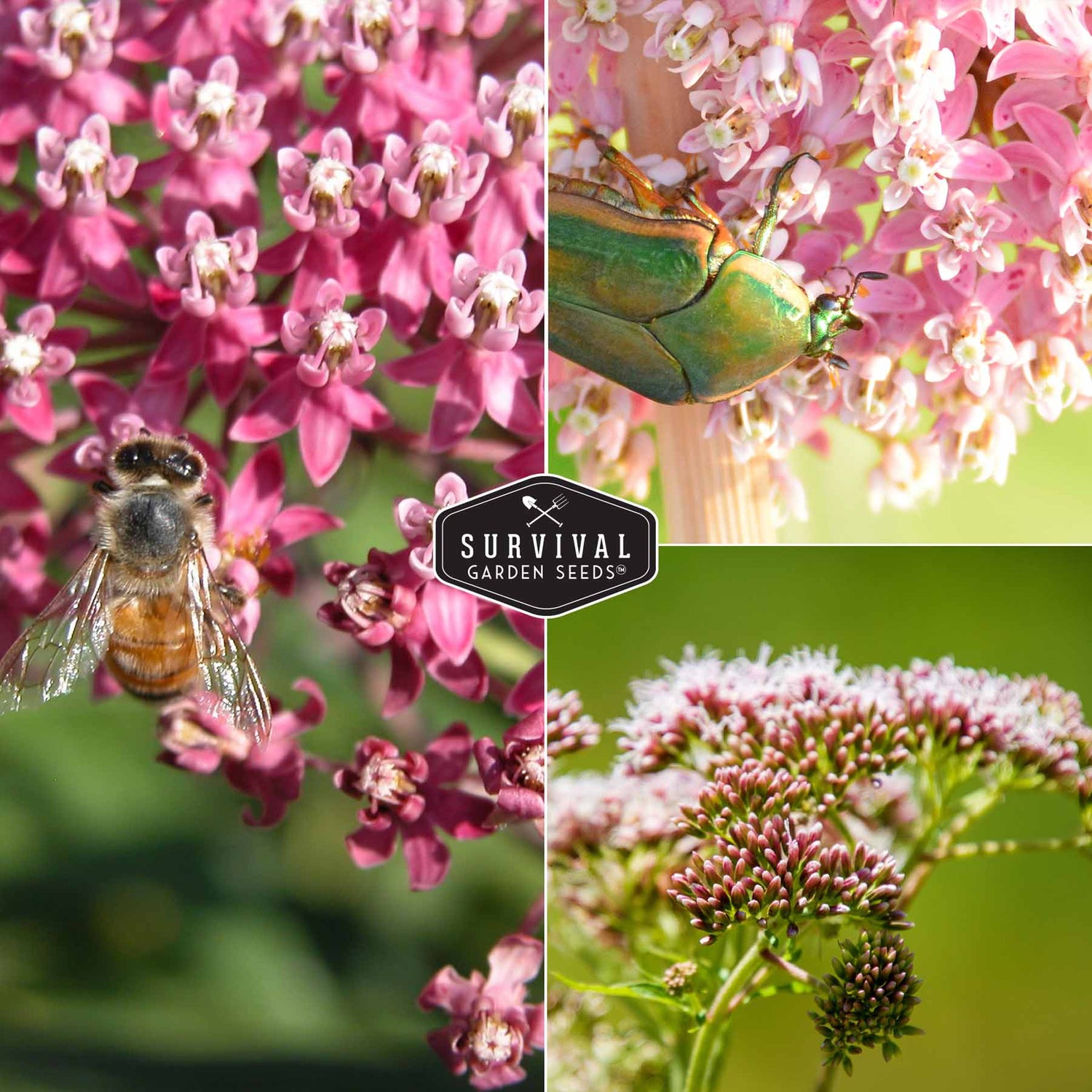
- Provides nectar for bees, butterflies, and hummingbirds
- Less aggressive spread than Common Milkweed
- Ideal for moist or wet garden areas
- Supports conservation-focused and pollinator-friendly landscapes
How to Use / How to Grow:
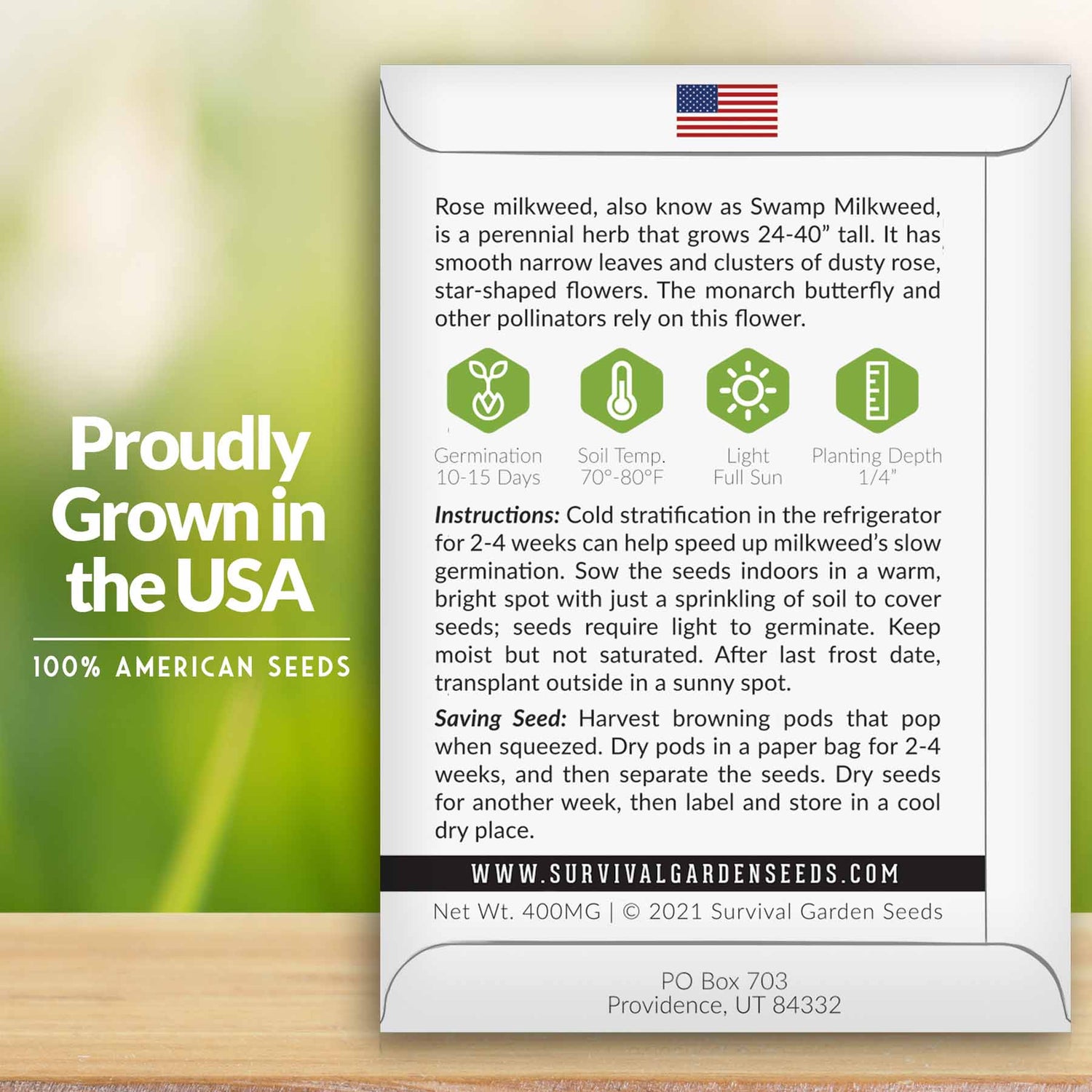
Sow seeds in moist, well-draining soil in full sun to partial sun. Rose Milkweed performs especially well in consistently moist locations such as rain gardens or near water features. Keep soil evenly moist during germination and early growth. Once established, plants are hardy and long-lived.
Cold Stratification for Better Germination:
Rose Milkweed seeds benefit from cold stratification. To improve germination rates, place seeds on a damp paper towel, roll it up, and store it in the refrigerator for 2–3 weeks before sowing. This process mimics winter conditions and encourages stronger, more reliable sprouting.
Net Wt. 400MG
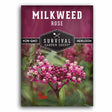
Rose Milkweed Seeds 2026
Heirloom Garden Seeds
All of our seeds are open-pollinated, non-GMO, heirloom varieties with tested germination rates
Specifications
Specifications
-
Botanical Name
-
Planting Zones
-
Light
-
Soil Temp for Germination
-
Germination Time
-
Planting Depth
-
Plant Size
-
Days to Harvest
-
Growing Instructions
-
Seed Saving Instructions
-
Approximate Number of Seeds Per Packet
Payment & Security
Your payment information is processed securely. We do not store credit card details nor have access to your credit card information.
Why Choose Survival Garden Seeds
At Survival Garden Seeds, we believe in preparing today for tomorrow’s peace of mind. That’s why we offer only heirloom, non-GMO, and untreated seeds you can trust to nourish your family and support a sustainable lifestyle. As a family-owned American company, we’re committed to providing seeds that grow strong and true—helping you cultivate health, resilience, and beauty in your garden.
Frequently Asked Questions
What are heirloom seeds?
What are heirloom seeds?
Heirloom seeds are the types of seeds your grandparents grew. These varieties have been passed down from generation to generation. They’re old reliable open-pollinated varieties that aren’t typically grown commercially. Instead, they have a rich history that predates modern breeding techniques.
You can learn more about open-pollinated, heirloom, and non-GMO seeds in our Survival Garden Training blog.
Where are Survival Garden Seeds sourced?
Where are Survival Garden Seeds sourced?
The majority of our seeds are sourced in the United States, with a few exceptions when the seed is difficult to source domestically. Whenever we do have to source outside of the US, we ensure our seeds are safe to grow, non-GMO varieties that meet our standards for germination and reliability.
Are your seeds treated?
Are your seeds treated?
No, we do not pre-treat our farmer seeds. All of our garden seeds for sale are untreated, open-pollinated, non-GMO, and heirloom varieties. They are kept in temperature-controlled cooler storage until they are packed and shipped to keep them pest and disease-free.
In what zones can I grow your seeds?
In what zones can I grow your seeds?
The seeds in our collections are specifically chosen from varieties that can be successfully grown from Zone 3 to Zone 10 USDA Hardiness Zones. However, individual varieties have specific needs to thrive in different environments. Each seed pack has optimal temperatures for germination and instructions on seed starting. Consult local frost dates to plan your garden and get the most out of your seeds.
What is the shelf life of these gardening seeds?
What is the shelf life of these gardening seeds?
Our seeds will generally last for 3-10 years if they are appropriately stored in a cool, dry place. However, we encourage you to grow your survival seeds within a year or two of purchase. This yields the best germination rates possible and also gives you more experience growing survival food now. At the end of the growing season, follow the instructions on the back of each packet for saving seeds for future gardens. These new seeds for survival will be more adapted to thrive in the growing conditions where you are.