
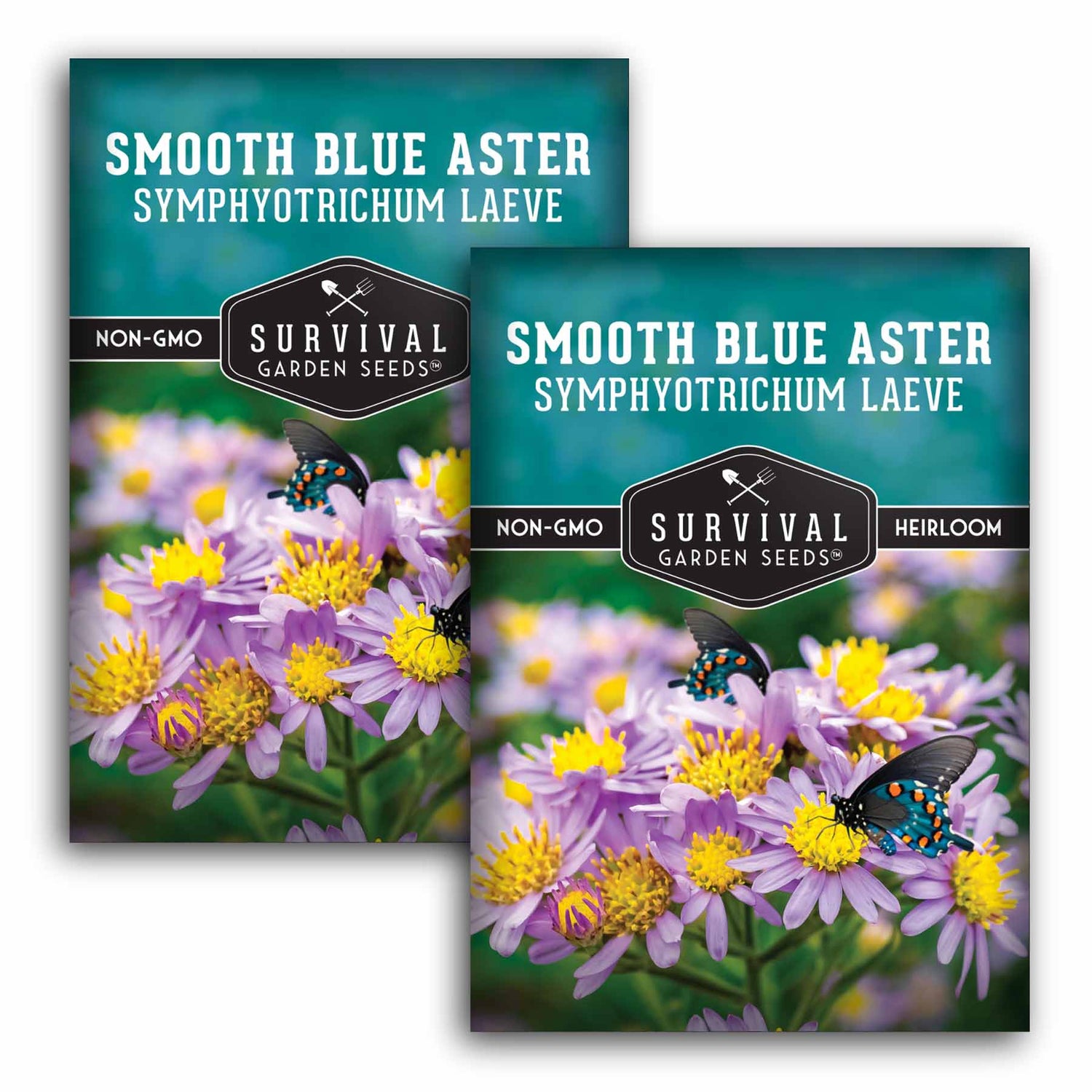
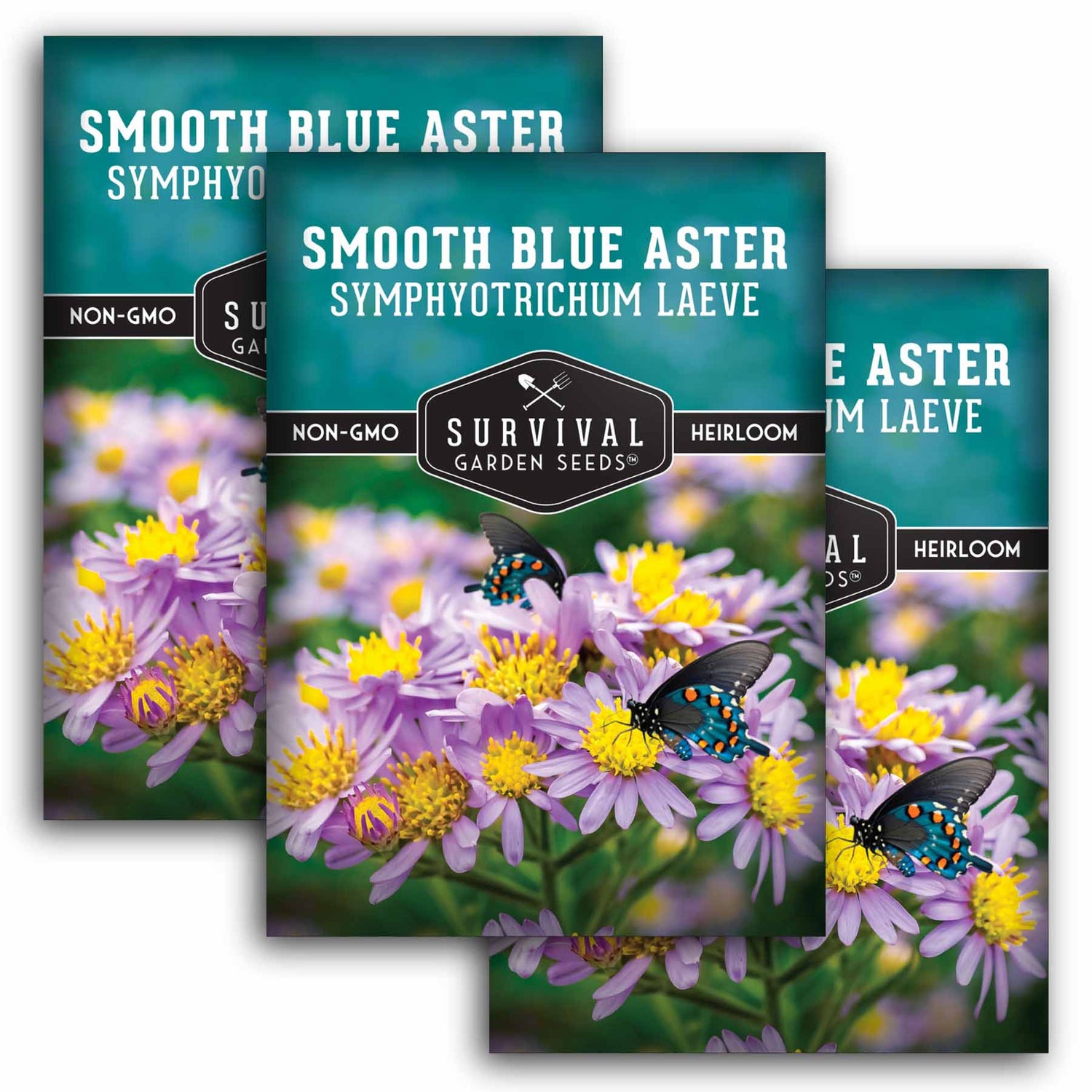
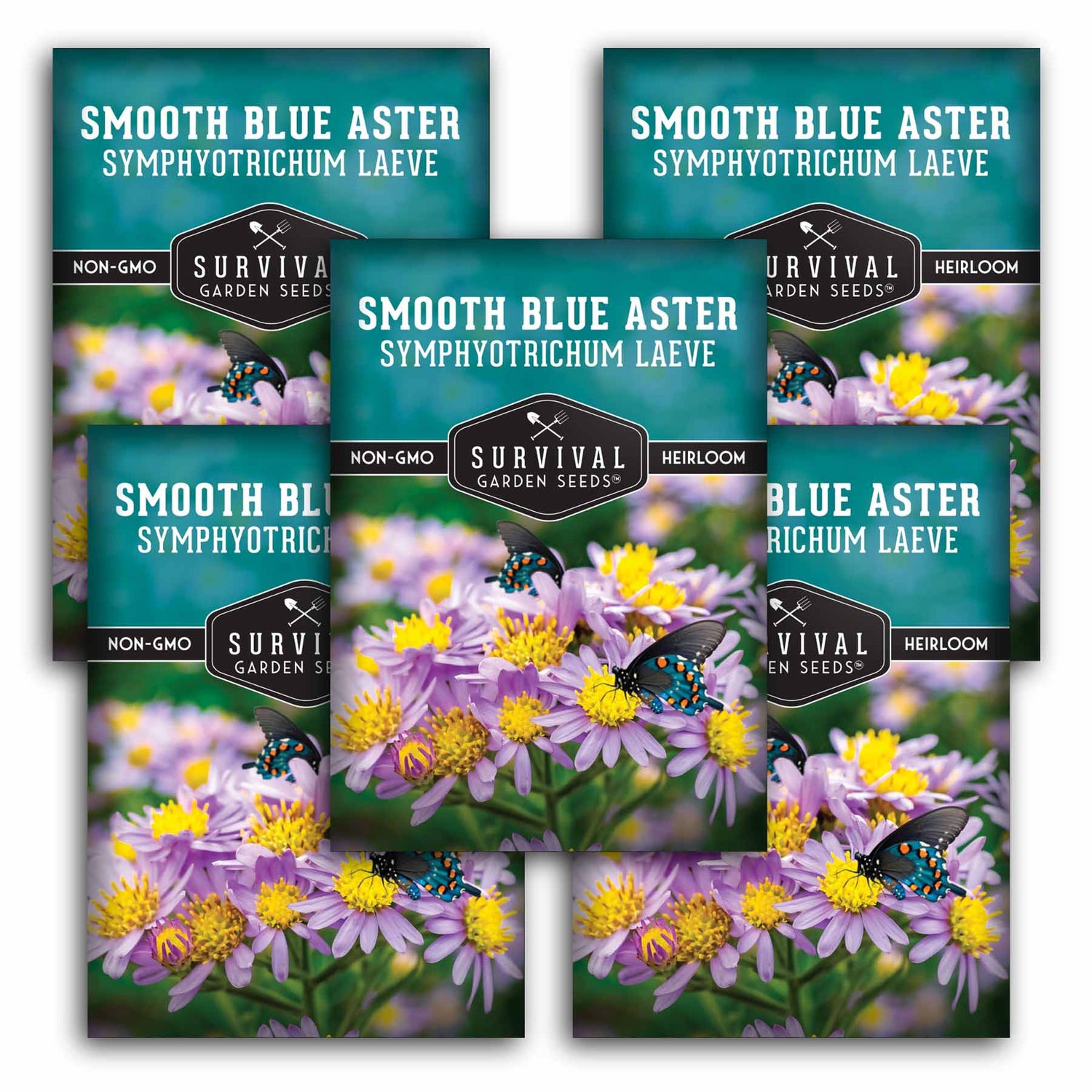
Smooth Blue Aster Seeds 2026
Smooth Blue Aster Seeds 2026 is backordered and will ship as soon as it is back in stock.

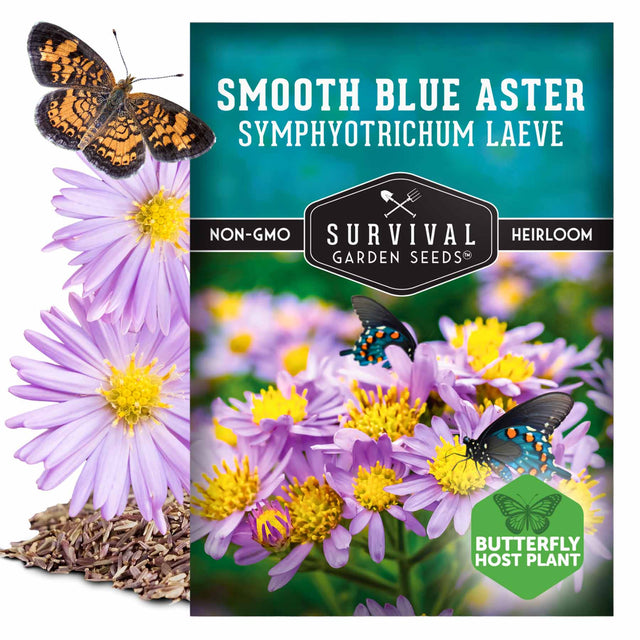
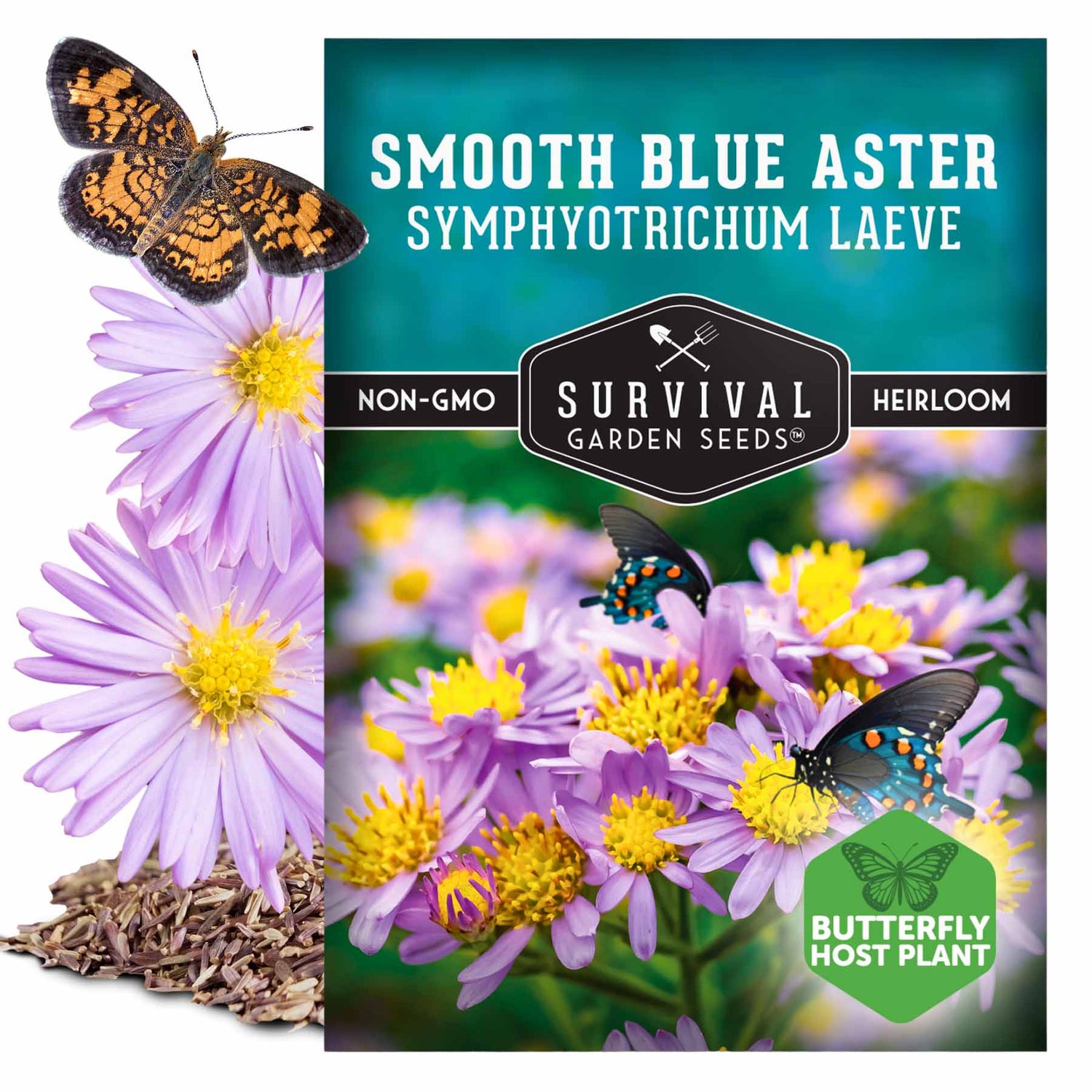
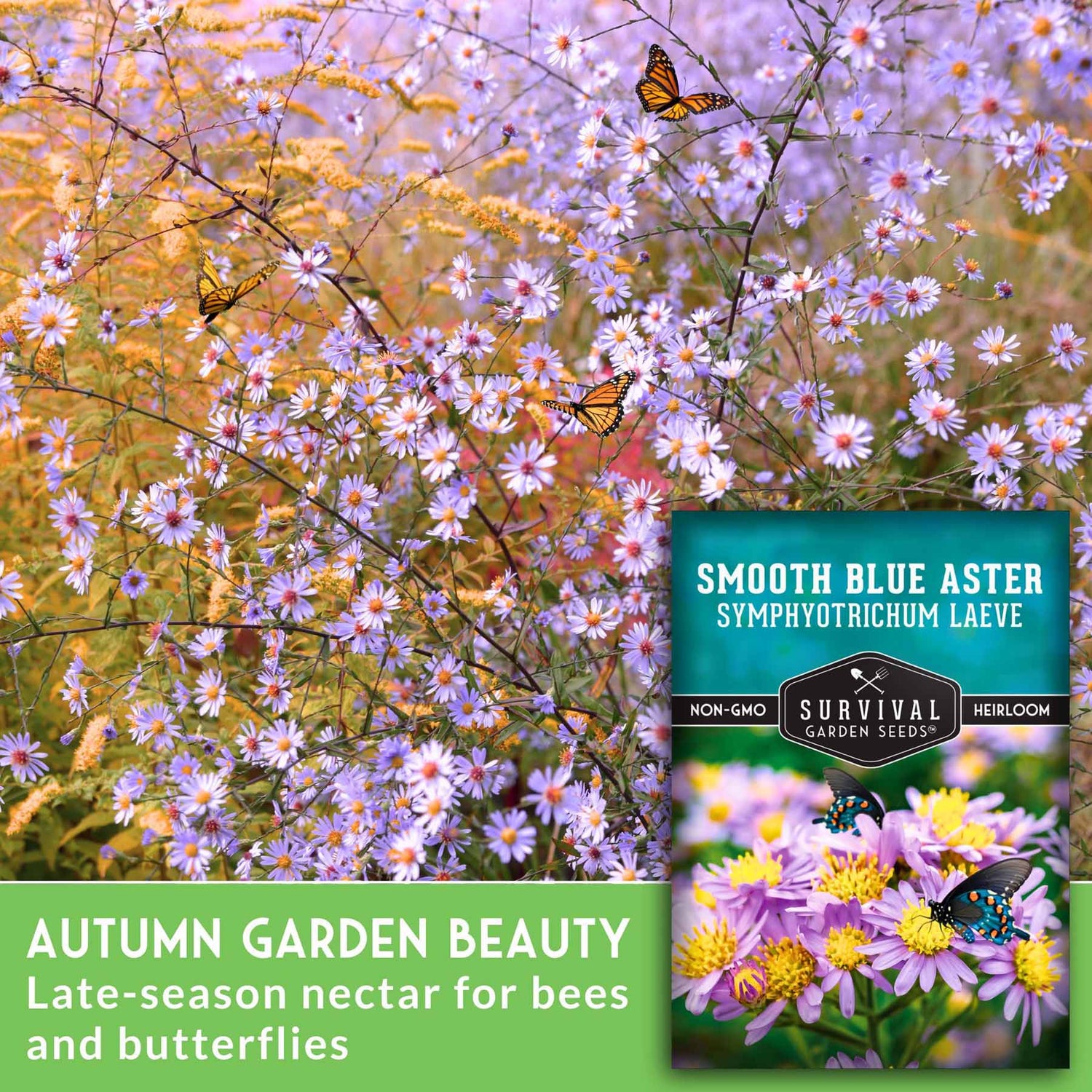
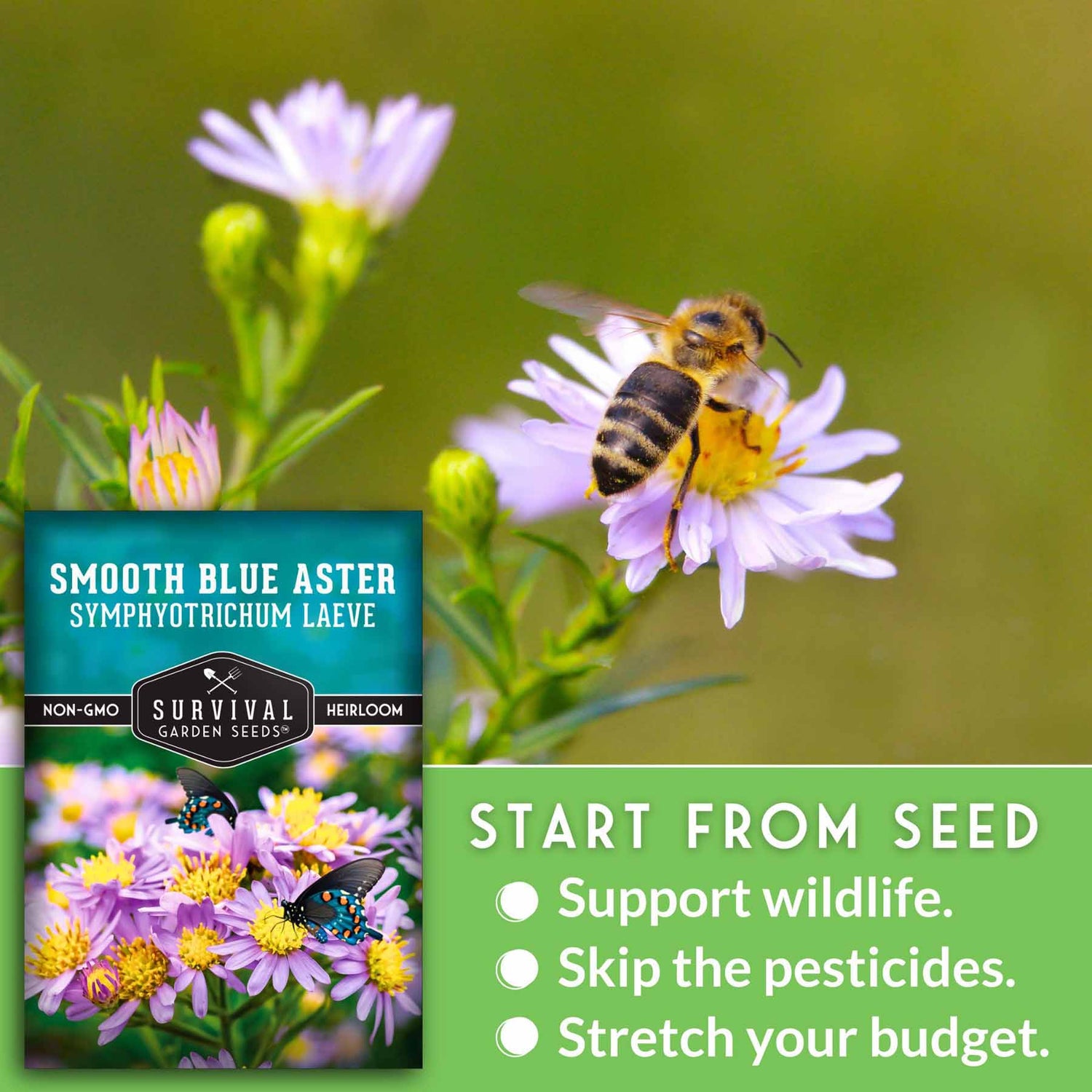
Smooth Blue Aster Seeds grow into a dependable native perennial that brings soft lavender-to-blue color to the garden just as summer flowers fade. Blooming in late summer through fall, this adaptable wildflower produces abundant small, daisy-like flowers that provide vital nectar for migrating butterflies and native bees well into October. Its understated beauty and resilience make it a valuable addition to pollinator gardens, meadow plantings, and naturalized landscapes.
Reliable Native with Graceful Form:
- Grows 2–4 feet tall with sturdy, branching stems
- Smooth blue-green foliage supports sprays of small, lavender-blue blooms
- Blooms in fall when few other nectar sources are available
- tive to the central and eastern United States
Why Customers Love Smooth Blue Aster:
- Extends garden color into late fall
- Provides critical late-season nectar for butterflies, moths, and native bees
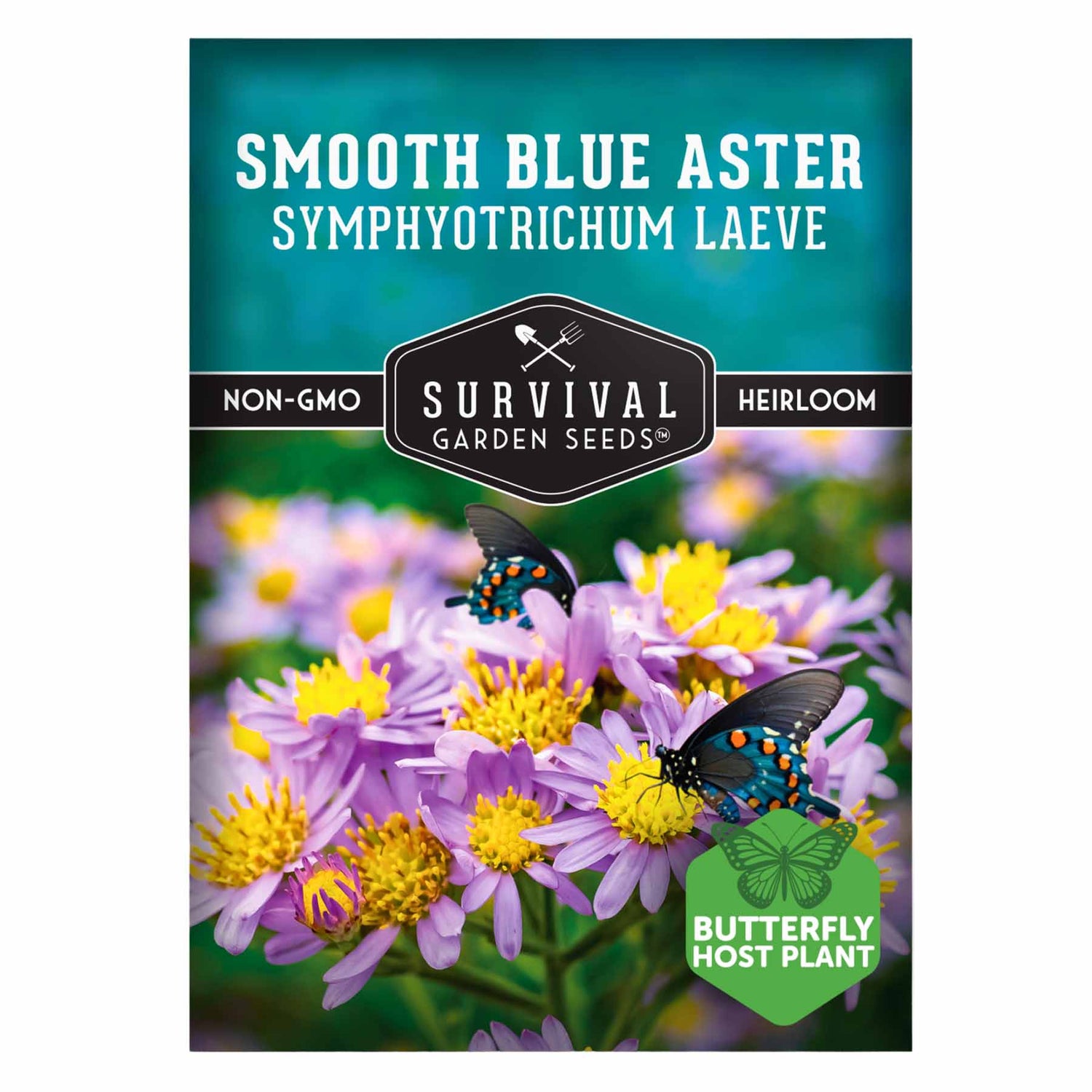
- Serves as a larval host plant for Pearl Crescent and Silvery Checkerspot butterflies
- Self-seeds gently to create natural drifts over time
- Combines ornamental appeal with real ecological value
How to Grow and Care:
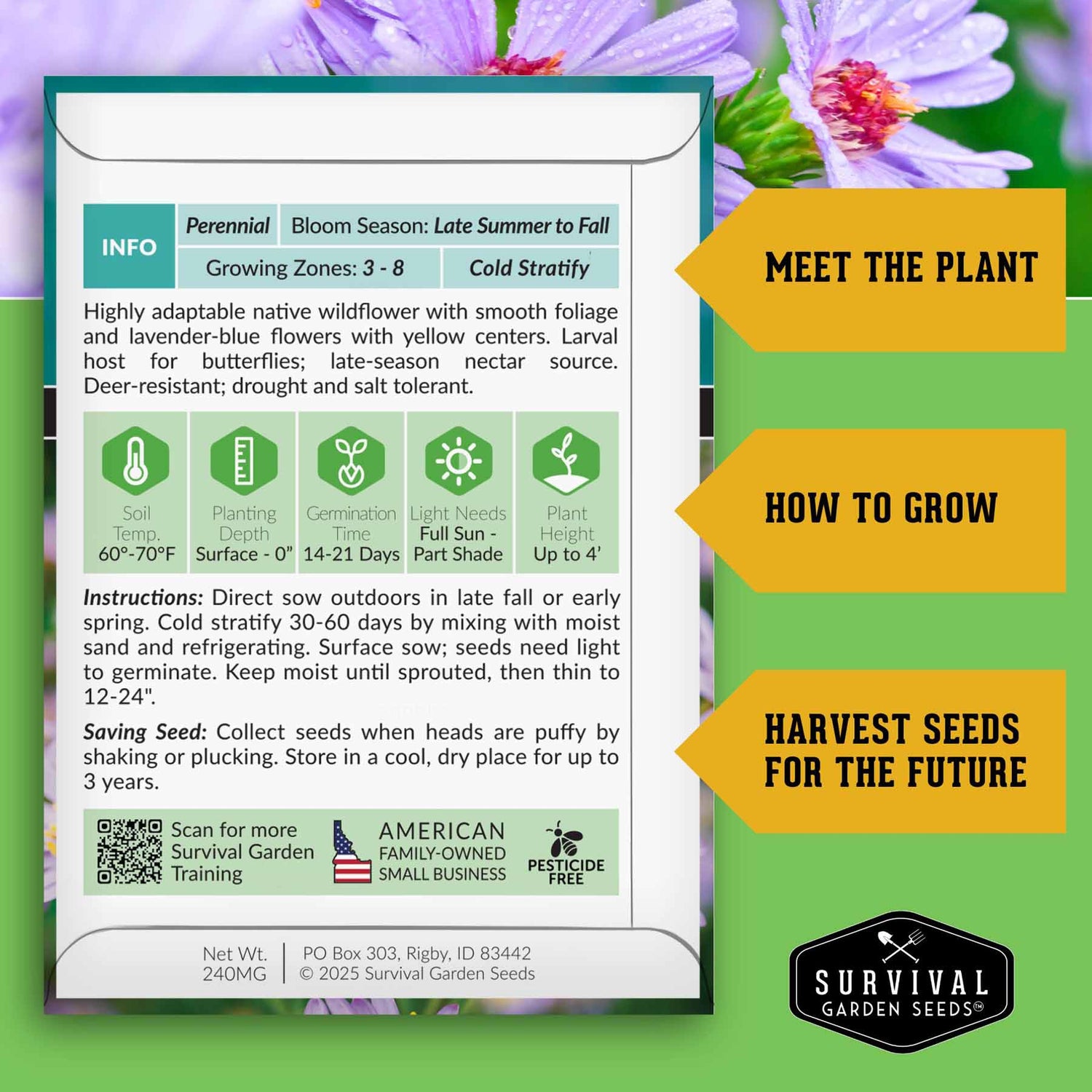
Smooth Blue Aster thrives in full sun to partial shade and adapts well to a wide range of soil types, including clay hardpan and sandy loam. Plants typically establish in the first year and begin blooming reliably by the second season. Cold stratification is recommended for best germination results. Once established, this drought-tolerant perennial requires minimal maintenance and is well suited for low-input landscapes.

Smooth Blue Aster Seeds 2026
Heirloom Garden Seeds
All of our seeds are open-pollinated, non-GMO, heirloom varieties with tested germination rates
Specifications
Specifications
-
Botanical Name
-
Planting Zones
-
Light
-
Soil Temp for Germination
-
Germination Time
-
Planting Depth
-
Plant Size
-
Days to Harvest-
-
Growing Instructions
-
Seed Saving Instructions
-
Approximate Number of Seeds Per Packet
Payment & Security
Your payment information is processed securely. We do not store credit card details nor have access to your credit card information.
Why Choose Survival Garden Seeds
At Survival Garden Seeds, we believe in preparing today for tomorrow’s peace of mind. That’s why we offer only heirloom, non-GMO, and untreated seeds you can trust to nourish your family and support a sustainable lifestyle. As a family-owned American company, we’re committed to providing seeds that grow strong and true—helping you cultivate health, resilience, and beauty in your garden.
Frequently Asked Questions
What are heirloom seeds?
What are heirloom seeds?
Heirloom seeds are the types of seeds your grandparents grew. These varieties have been passed down from generation to generation. They’re old reliable open-pollinated varieties that aren’t typically grown commercially. Instead, they have a rich history that predates modern breeding techniques.
You can learn more about open-pollinated, heirloom, and non-GMO seeds in our Survival Garden Training blog.
Where are Survival Garden Seeds sourced?
Where are Survival Garden Seeds sourced?
The majority of our seeds are sourced in the United States, with a few exceptions when the seed is difficult to source domestically. Whenever we do have to source outside of the US, we ensure our seeds are safe to grow, non-GMO varieties that meet our standards for germination and reliability.
Are your seeds treated?
Are your seeds treated?
No, we do not pre-treat our farmer seeds. All of our garden seeds for sale are untreated, open-pollinated, non-GMO, and heirloom varieties. They are kept in temperature-controlled cooler storage until they are packed and shipped to keep them pest and disease-free.
In what zones can I grow your seeds?
In what zones can I grow your seeds?
The seeds in our collections are specifically chosen from varieties that can be successfully grown from Zone 3 to Zone 10 USDA Hardiness Zones. However, individual varieties have specific needs to thrive in different environments. Each seed pack has optimal temperatures for germination and instructions on seed starting. Consult local frost dates to plan your garden and get the most out of your seeds.
What is the shelf life of these gardening seeds?
What is the shelf life of these gardening seeds?
Our seeds will generally last for 3-10 years if they are appropriately stored in a cool, dry place. However, we encourage you to grow your survival seeds within a year or two of purchase. This yields the best germination rates possible and also gives you more experience growing survival food now. At the end of the growing season, follow the instructions on the back of each packet for saving seeds for future gardens. These new seeds for survival will be more adapted to thrive in the growing conditions where you are.