

The borage plant has earned a place in gardens around the world because it offers much more than attractive blue flowers. Known scientifically as Borago officinalis, this easy-growing annual has been cultivated for centuries for its beauty, traditional uses, and value to both gardeners and pollinators. Whether you're discovering borage for the first time or planning to add it to your garden, understanding the plant as a whole makes it easier to appreciate everything it has to offer.
One reason growing borage remains so popular is its versatility. It fits naturally into herb gardens, vegetable gardens, cottage gardens, and ornamental borders, where it adds color, attracts beneficial insects, and produces edible flowers. Its long history in traditional herb gardens has also helped make it a favorite among gardeners who enjoy growing plants with both beauty and purpose.

This borage guide introduces the plant from every angle. You'll learn where Borago officinalis comes from, how to recognize it, what borage care generally involves, why gardeners continue growing borage plant year after year, and how it has traditionally been used. More detailed topics, including planting from seed, harvesting, companion planting, and traditional preparations, are explored in their own dedicated guides.
Understanding the Borage Plant
Before learning about borage care, it's helpful to understand the plant itself. Knowing where it comes from, how it grows, and what makes it unique provides the foundation for successful gardening and explains why it has remained popular for hundreds of years.
What Is Borage?
Borage, or Borago officinalis, is an annual herb believed to have originated in the Mediterranean region before spreading throughout Europe and eventually much of the world. It belongs to the borage family and is best known for its brilliant blue, star-shaped flowers, fuzzy stems, and softly textured leaves.
Unlike many ornamental annuals grown only for their flowers, the borage plant has long been valued as both a practical and decorative addition to the garden. Its flowers, foliage, and naturally vigorous growth make it equally at home in herb gardens, vegetable gardens, pollinator gardens, and cottage-style landscapes.
Although each plant completes its life cycle within a single growing season, borage grows quickly and flowers over a long period. This combination of rapid establishment and extended blooming is one reason gardeners continue growing it year after year.
One characteristic that surprises many first-time gardeners is how readily borage reseeds itself. If flowers are allowed to mature naturally, young plants often appear the following spring. This dependable habit allows established plantings to continue from season to season without requiring extensive replanting.
The History of Borago officinalis
The history of Borago officinalis stretches back centuries. Historical records place the plant throughout Mediterranean countries before it gradually became established across much of Europe, where it found a place in monastery gardens, household herb gardens, and small farm gardens.
During the Middle Ages, herb gardens were created for everyday use rather than decoration. Families relied on herbs for cooking, preserving food, household tasks, and traditional herbal preparations. Borage earned a lasting place beside herbs such as sage, rosemary, thyme, and lavender because it was dependable, productive, and well suited to a wide range of growing conditions.
As gardening knowledge spread through trade, travel, and written herbals, borage became established far beyond its native range. Seeds and growing knowledge were shared between regions, allowing the plant to become a familiar part of traditional gardens across Europe and eventually other parts of the world.
Today, many botanical gardens and historical herb collections continue growing Borago officinalis to preserve traditional gardening practices. Its continued popularity reflects not only its beauty but also its long connection to herb gardening history.
Recognizing Borage in the Garden
Once you've seen a mature borage plant, it's difficult to mistake it for another herb. Its vivid blue flowers form five-pointed petals that resemble small stars, making the plant easy to recognize throughout its flowering season.
The leaves and stems are covered with fine white hairs that give the plant its distinctive rough texture. Young leaves form close to the ground before taller flowering stems develop, creating the broad, branching appearance associated with mature plants.
Most plants reach between 18 and 36 inches tall, depending on the variety and growing conditions. Rather than forming a rigid upright shape, borage develops an open, natural habit that blends well with flowering perennials, vegetables, and other herbs.
Flowers continue opening over many weeks instead of blooming all at once. This extended flowering period is one reason borage remains popular in pollinator gardens, where a steady supply of blooms benefits bees, butterflies, and other beneficial insects throughout much of the growing season.
Understanding the Borage Life Cycle
As an annual herb, borage completes its entire life cycle within one growing season. From germination to flowering and seed production, each stage follows a predictable pattern that gardeners quickly recognize.
One of the plant's defining characteristics is its rapid development. Once established, it produces foliage, branching stems, and flowers over a relatively short period before eventually setting seed as the season ends.
Rather than viewing this as the end of the plant's life, many gardeners see it as the beginning of the next growing season. In favorable conditions, mature seeds naturally fall to the soil, allowing new plants to emerge the following year. This reliable reseeding habit is one reason borage often becomes a familiar presence in established gardens.
Growing Borage
The popularity of growing borage comes from more than its colorful flowers. Gardeners appreciate that it adapts to many different garden styles while asking relatively little in return. Whether planted among vegetables, herbs, annual flowers, or pollinator-friendly borders, borage settles naturally into a wide range of landscapes.
Like many traditional herbs, its success depends more on placing it in suitable conditions than on intensive maintenance. This straightforward nature has helped make it one of the most approachable herbs for both new and experienced gardeners.
Growing Borage at a Glance
If you're considering growing borage, you'll find that it adapts well to many types of gardens. It can be grown in herb gardens, cottage gardens, vegetable plots, pollinator gardens, raised beds, and ornamental borders, making it one of the more versatile annual herbs.
Gardeners value borage because it establishes quickly, flowers generously, and complements a wide variety of plants. Instead of demanding constant attention, it naturally becomes part of the surrounding garden while contributing color, texture, and seasonal interest.
Its annual growth habit also gives gardeners flexibility. Because new plants are grown each season, borage can easily be incorporated into changing garden designs, crop rotations, or expanding pollinator gardens without permanently occupying valuable space.
For gardeners growing Borago officinalis for the first time, its forgiving nature often makes it an excellent introduction to annual herbs. The detailed process of planting, establishing, and caring for young plants is explored separately in the dedicated growing guide.
Borage Care Basics
Good borage care is based on understanding the plant's natural growing habits rather than following a complicated maintenance schedule. Like many traditional herbs, borage performs best when allowed to grow in conditions that suit its natural characteristics.
Most routine care involves observing the plant as it develops and providing an environment where it can complete its normal seasonal growth. Once established, borage generally requires far less attention than many flowering annuals, which is one reason it has remained popular for generations.
Rather than thinking of borage care as a list of individual tasks, it is more helpful to see it as supporting the plant through each stage of its annual life cycle. Healthy plants naturally produce vigorous foliage, long-lasting flowers, and mature seeds before completing the season.
Specific recommendations for watering, soil preparation, feeding, pruning, and seasonal maintenance are covered in the detailed growing guide, where each topic can be explored without overlapping with this overview.
Seasonal Growth and What to Expect
One of the most rewarding parts of growing borage is watching the plant change throughout the season. Its appearance develops steadily, with each stage preparing the plant for the next.
The season begins with leafy growth before flowering gradually becomes the plant's main focus. As blooming continues, new flowers regularly replace older ones, creating an extended display that lasts much longer than many gardeners expect from an annual herb.
Late in the season, attention shifts from flowering to seed production. This natural transition allows the plant to complete its life cycle while providing the opportunity for future generations to establish if conditions are favorable.
Recognizing these seasonal changes helps gardeners understand that borage is following its normal annual cycle. Detailed information about planting times, growth stages, and seasonal care is covered separately in the growing cluster, allowing this guide to remain a broad introduction to the plant.
Common Growing Challenges
Although growing borage is generally straightforward, every garden presents slightly different conditions. Climate, weather patterns, soil, and available space all influence how a plant performs, which is why experienced gardeners often adapt their approach instead of following a single method.
Fortunately, borage has earned a reputation as a resilient herb that adapts well to many home gardens. Understanding its natural growth habit and providing suitable conditions usually prevent most common problems before they develop. Detailed troubleshooting, along with solutions for pests, diseases, and environmental stresses, is covered in the dedicated growing guide.
Why Gardeners Continue Growing Borage
Few annual herbs offer as many benefits as borage. While its brilliant blue flowers often capture attention first, experienced gardeners appreciate that the plant contributes to the garden in several ways throughout the growing season.
Its combination of ornamental beauty, ecological value, culinary interest, and long history explains why Borago officinalis continues to appear in home gardens, botanical collections, and traditional herb gardens around the world.
Garden Benefits at a Glance
The borage plant is valued not only for its appearance but also for the activity it brings to the garden. Its long flowering season attracts bees, butterflies, and many other beneficial insects, bringing movement and diversity to vegetable gardens, herb beds, and ornamental borders.
Its naturally branching habit also adds texture and contrast among neighboring plants. The combination of soft green foliage and vivid blue flowers allows borage to blend comfortably into formal herb gardens, relaxed cottage gardens, and mixed landscape plantings.
As an annual, borage offers flexibility that many perennial herbs cannot. It can be included in changing seasonal displays, new garden layouts, or expanding pollinator plantings without permanently occupying space, giving gardeners freedom to redesign beds from year to year.
Companion Planting Overview
Many gardeners associate borage with companion planting because it grows comfortably alongside a wide variety of vegetables, herbs, and flowering plants. Its extended blooming season attracts pollinators that naturally visit nearby crops, making it a familiar addition to productive gardens.
Companion planting, however, involves much more than placing plants next to one another. Plant spacing, sunlight, mature size, seasonal growth, and overall garden design all influence whether neighboring plants perform well together. Because these relationships deserve detailed explanation, companion planting is best explored in its own dedicated guide.
For now, it's enough to understand that borage has earned a strong reputation as a versatile garden companion and is frequently included in herb gardens, vegetable gardens, pollinator borders, and mixed flower beds.
Harvesting Overview
Another reason gardeners continue growing borage is that several parts of the plant can be harvested during the season. Both the flowers and leaves have traditionally been collected, although each is typically harvested for different purposes.
The bright blue flowers are often gathered while freshly opened because they offer their best color and appearance. Leaves are generally collected while still young, before they become larger and more textured later in the season.
Knowing when to harvest is only one part of the process. Proper collection, handling, preservation, and storage all influence the quality of the final harvest. Those topics are covered in detail within the harvesting guide, while this pillar provides the broader overview of how harvesting fits into the plant's seasonal life cycle.
Traditional and Modern Uses of Borage
The popularity of Borago officinalis extends well beyond its appearance in the garden. For centuries, people have appreciated borage for its place in culinary traditions, historical herbal practices, and ornamental gardening. That combination of beauty and usefulness has helped the plant remain popular across generations.
Today, many gardeners first discover borage because of its flowers or pollinator value, only to learn that it also has a rich cultural history that stretches back hundreds of years.
Culinary Uses
One of the best-known features of borage is its edible flowers. Their vivid blue color makes them a popular garnish for salads, desserts, beverages, and other fresh dishes where appearance is just as important as flavor.
Young leaves have also appeared in traditional cooking, particularly when harvested early in the season. While culinary traditions vary between regions and cultures, borage has long been associated with kitchen gardens where herbs were grown close to the home for everyday use.
Today, many gardeners continue growing borage because it combines ornamental beauty with edible flowers, allowing a single plant to contribute both visual interest and seasonal harvests.
Traditional Herbal Uses
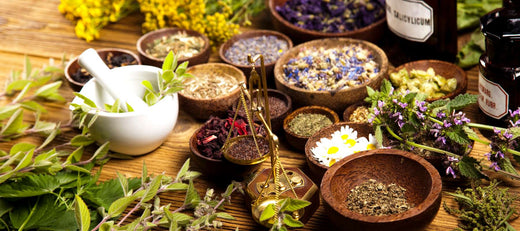
Historically, borage was grown alongside many other herbs that formed the foundation of traditional household gardens. Over the centuries, different cultures developed their own ways of preparing and using the plant, passing that knowledge from one generation to the next through local gardening and herbal traditions.
Modern interest in these historical practices remains strong, particularly among gardeners who enjoy preserving heritage herbs and learning about the role traditional plants played in everyday life. While historical uses are well documented, they should always be understood within their historical context rather than interpreted as modern medical advice.
Because traditional preparations, historical uses, and the long history of borage in herbal traditions deserve a more complete discussion, they are explored separately in the dedicated article on traditional borage uses and benefits.
Why Borage Still Belongs in Today's Garden
Few annual herbs combine beauty, history, versatility, and ecological value as naturally as borage. It adapts to many gardening styles, supports pollinators throughout its long flowering season, produces edible flowers, and connects modern gardeners with centuries of horticultural tradition.
Whether your interest is growing borage, creating a pollinator-friendly landscape, preserving a traditional herb garden, or simply adding another dependable annual to your planting plans, the borage plant offers lasting value. Its striking appearance may first catch your attention, but its adaptability, rich history, and many practical uses are what have kept Borago officinalis in gardens for generations.
This borage guide serves as the starting point for understanding the plant as a whole. From here, you can explore the more detailed guides covering growing borage plants, borage care, harvesting, companion planting, and traditional uses to build a deeper understanding of one of the garden's most rewarding annual herbs.


