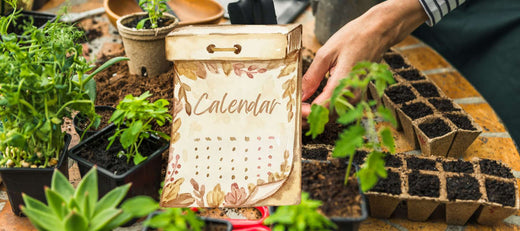
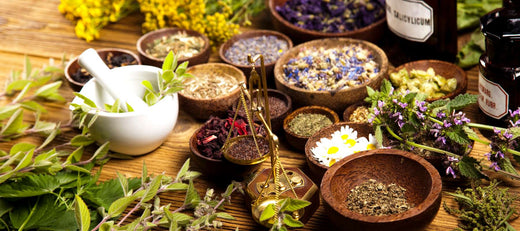


August can feel like we are quickly approaching the end of the growing season, but for gardeners in the know, it’s actually a second planting window. The warm soil gets seeds off to a fast start, allowing for a harvest before winter. The cooling fall temperatures are perfect for leafy greens, root vegetables, and perennial herbs and flowers that need a head start before winter.
Let’s look at the seeds you can sow in your area this month.
Northeast & Upper Midwest (Zones 3-6)

Frost can arrive as early as mid-September in the coldest areas, so early August is typically your last real window for fast-maturing crops. However, this year may be an exception, due to the Super El Niño weather pattern. The warmer weather may allow for a longer harvest season. Now is the time to plant perennial seeds to allow them to establish roots before the ground freezes.
- Spinach - Thrives as nights cool down; can often be harvested into November, especially under a cold frame.
- Radishes - Ready in 3-4 weeks, making them one of the easiest late-summer wins.
- Bush beans - A quick-maturing variety sown in the first weeks of August can still produce before frost.
- Kale - Actually tastes better after exposure to a light frost; sow now for a fall and even winter harvest.
- Turnips - Both roots and greens are ready in about 6-8 weeks.
- Lettuce - Since it’s still August, look for heat tolerant varieties like Buttercrunch. Sow in partial shade to avoid early bolting and enjoy throughout the fall.
- Lavender - Sow now so seedlings establish before winter dormancy; a cold-hardy variety like Munstead does well.
- Bee Balm (Monarda) - Wild bergamot is a perennial pollinator favorite that benefits from being seeded in late summer for next year’s growth.
Mid-Atlantic & Ohio Valley (Zones 6-7)

A longer growing season than the Northeast gives you more flexible planting options if you’re in this region. You can probably get a second round of some summer crops.
- Carrots - August sowing gives roots time to mature before the ground hardens.
- Beets - Both greens and roots do well; harvest greens young for salads.
- Broccoli - Direct sow in early August for a reliable fall harvest.
- Collard greens - Collards handle the heat of early fall better than many greens and get sweeter after frost.
- Cucumbers (bush varieties) - A late crop of cucumbers sown in early August can still bear fruit before the season ends.
- Swiss Chard - Also tolerant of lingering heat and early cold; a very forgiving choice for nutritious greens.
- Coneflower (Echinacea) - Fall-sown seed benefits from natural cold stratification over winter.
- Black-eyed Susan - Another native perennial that establishes well from late summer seeding. Look for blooms in the next year.
Southeast & Gulf Coast (Zones 8-9)

Here, heat and humidity can linger well into October, so timing and heat tolerance matter more than frost dates.
- Okra - A late-summer sowing can still produce solid harvests before it cools.
- Southern field peas (black-eyed peas) - These heat-loving peas grow fast enough for a harvest before fall.
- Collard greens - A southern staple.
- Mustard greens - These greens are fast growing and heat-tolerant.
- Pole beans - A second sowing in early August can beat the first frost, which often doesn’t arrive until November
- Basil - Still productive through September in these zones; keep sowing for continuous harvest.
- Cosmos - These heat-tolerant blooms grow fast from seed, giving color right up until frost.
Texas & Southern Plains (Zones 7-9)

Extreme summer heat means timing August planting around cooling soil temperatures, often toward the latter half of the month.
- Winter squash - A late sowing can still mature before the first cold spell.
- Black-eyed peas - Extremely heat tolerant and ideal for the hottest weeks of the month.
- Cantaloupe - A quick-maturing variety sown early in the month can beat the clock.
- Turnip greens - A Texas garden classic for fall, sown as heat starts to break.
- Okra - Reliable in the lingering heat and quick enough for a fall crop.
- Zinnias - Reseed easily now for continued bloom into fall.
- Texas Bluebonnet - Iconic state flower that needs fall sowing for spring blooms.
-
Oregano - Tough and drought tolerant once seedlings establish, even in residual summer heat.
Southwest & Desert ( Zones 8-10, Arid climate)

The brutal heat of summer is starting to break by late August, making it the true start of the second season for desert gardeners.
- Lettuce - Wait until late August when temperatures dip below the mid-90s to avoid instant bolting.
- Carrots - Sow in loosened, well-amended soil as the heat eases.
- Beets - A reliable fall crop once daytime highs drop.
- Arugula - Fast-growing and well-suited to the shortened but mild fall season.
- Anaheim pepper - A Southwestern classic that handles heat well; sow now for a harvest as the weather cools.
- Blanketflower - Drought tolerant and fast to bloom from seed; reseeds readily for years of color.
- Yarrow - Tough and drought-tolerant once established. Fall seeding gives it a head start before spring growth.
Pacific Northwest (Zones 7-9)

Mild temperatures and generally reliable fall rain make this one of the most forgiving regions for fall sowing. Again, in a Super El Niño year, you may not have the typical amount of rainfall, so be aware you may need to water your garden this year.
- Kale - Thrives in the cool fall weather.
- Spinach - An easy, reliable crop for a long harvest window into winter
- Peas - Cool nights suit peas well, sow in the first half of the month.
- Broccoli - Direct sow now to mature just as the weather cools.
- Carrots - A late sowing takes advantage of the mild autumn weather.
- Cilantro - Bolts less in the cooling weather, giving a longer harvest than a summer crop.
- Russell lupine - A regional favorite well-adapted to the Pacific Northwest; germinates well with natural fall rain.
- Hollyhock - Tall, old-fashioned biennial that does well started from seed in late summer.
California (Zones 8-10, Mediterranean Climate)

Coastal and inland areas vary a bit, but most of the state benefits from sowing as the peak of summer heat starts to ease.
- Lettuce - A dependable fall crop, especially in coastal areas with mild days.
- Beets - Good root development in moderating soil temperatures.
- Broccoli - A fall crop that works well across most of the state.
- Carrots - Well-suited to the long, mild autumn typical of California.
- Snap peas - Cool-season and frost-tolerant, making them a reliable fall-into-winter crop.
- Bok choy - Fast-growing and well suited to cooler fall conditions.
- California poppy - The state flower reseeds beautifully with a late-summer sowing.
-
Lavender - The Mediterranean climate makes California ideal for late-summer seed starts, though germination is slow.
Mountain West & Rockies (Zones 3-6, High Altitude)

Short growing seasons and early frosts mean speed matters most here. Look for quick-maturing varieties and prioritize perennials that need a fall seed start.
- Radishes - One of the fastest crops available, ideal for a short remaining season.
- Spinach - Cold-hardy enough to handle the region’s early frosts.
- Arugula - Matures quickly enough to beat the first freeze.
- Corn salad (mâche) - Extremely cold-tolerant greens that improve in flavor after frost.
- Turnips - Both greens and roots can mature in the remaining weeks of warmth.
- Pansies - Surprisingly cold-hardy and often sown in the late summer for early spring color.
- Blue columbine - A native perennial that benefits from cold stratification over winter.
- Blue flax - A high altitude native perennial, drought tolerant once established.
A Few General Tips Before You Sow
- Check your first frost date. Count back from your first frost date to know the ideal sowing time. You can find your frost date in our Planting Calendar by Zip Code. This tool will also give you planting dates for many garden staples.
- Water consistently. Late-summer soil can still be dry and hot even as nights cool, so newly seeded beds need regular moisture to germinate.
- Mulch new seedbeds. A light layer of mulch will help to maintain a regular soil temperature for both fall vegetables and newly seeded perennials.
- Use shade cloth for fussy seedlings. Lettuce, spinach, and other greens can bolt or fail to germinate in residual summer heat. Providing light shade for the first couple of weeks can help.
Whatever your region, this month is far from the end of the gardening year. Purchase the right varieties for your region and stay weather aware. August can be the start of “round two” of food production and the perfect start for your flowering perennials to see beautiful blooms next year.


