

Sunflower Seed Collection – 6 Colorful, Pollinator-Friendly Varieties for Stunning Garden Displays
Sunflower Seed Collection – 6 Colorful, Pollinator-Friendly Varieties for Stunning Garden Displays is backordered and will ship as soon as it is back in stock.
Couldn't load pickup availability

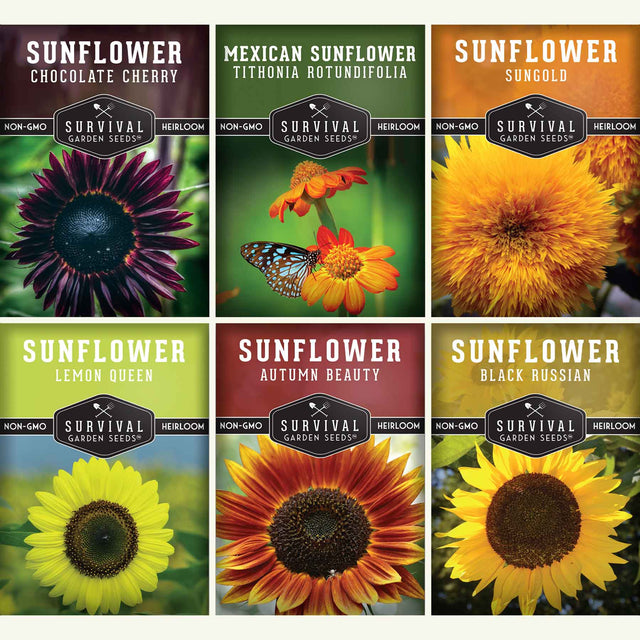
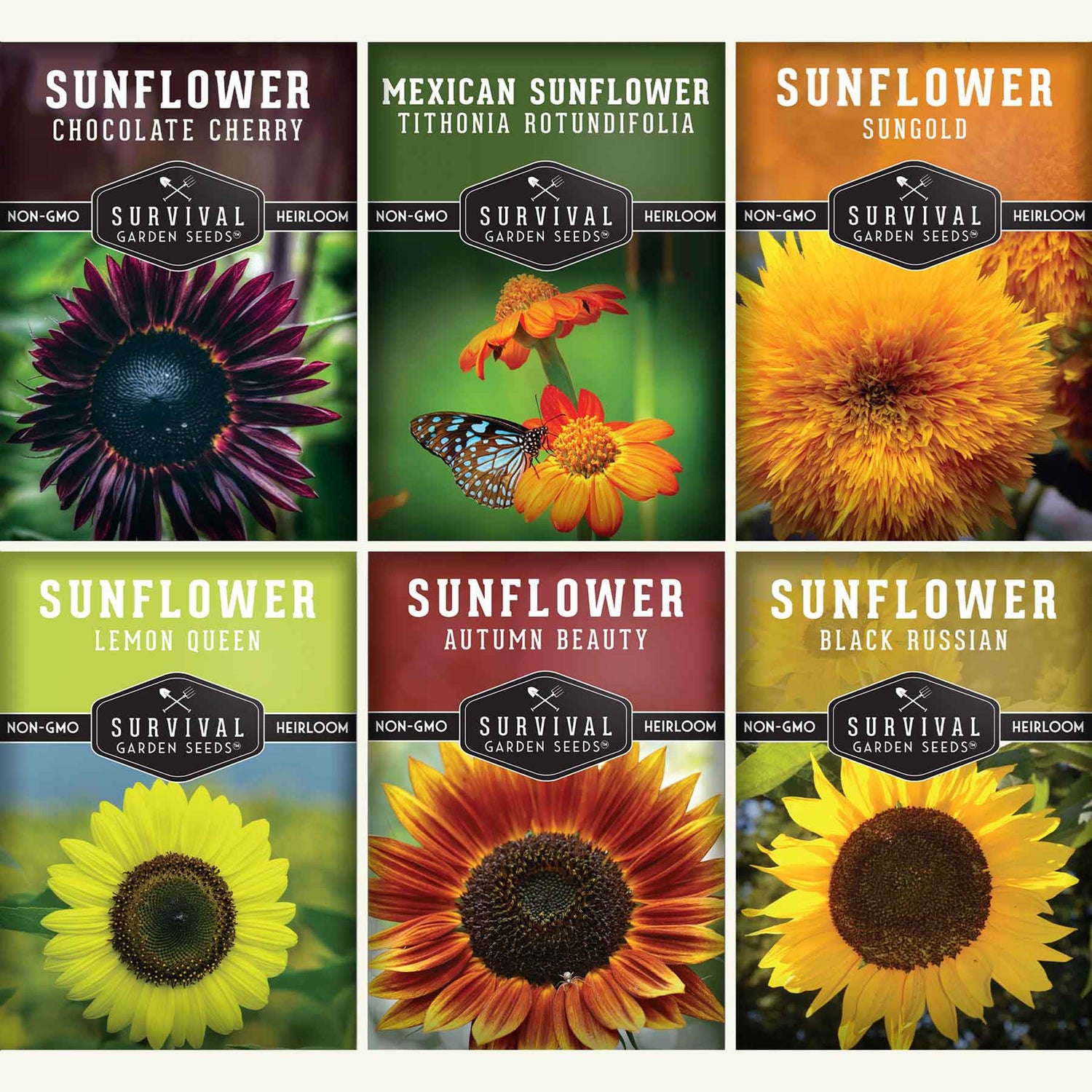
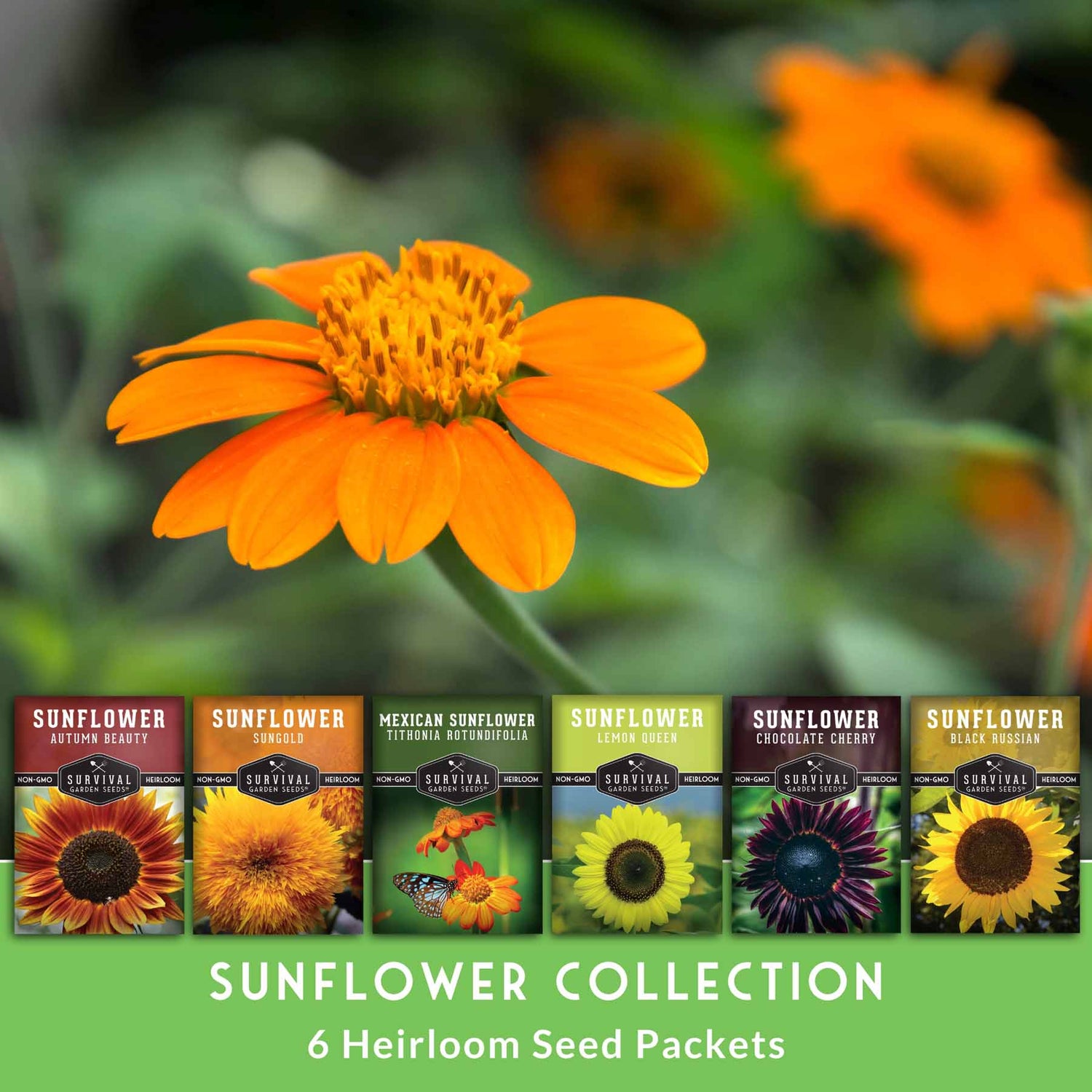
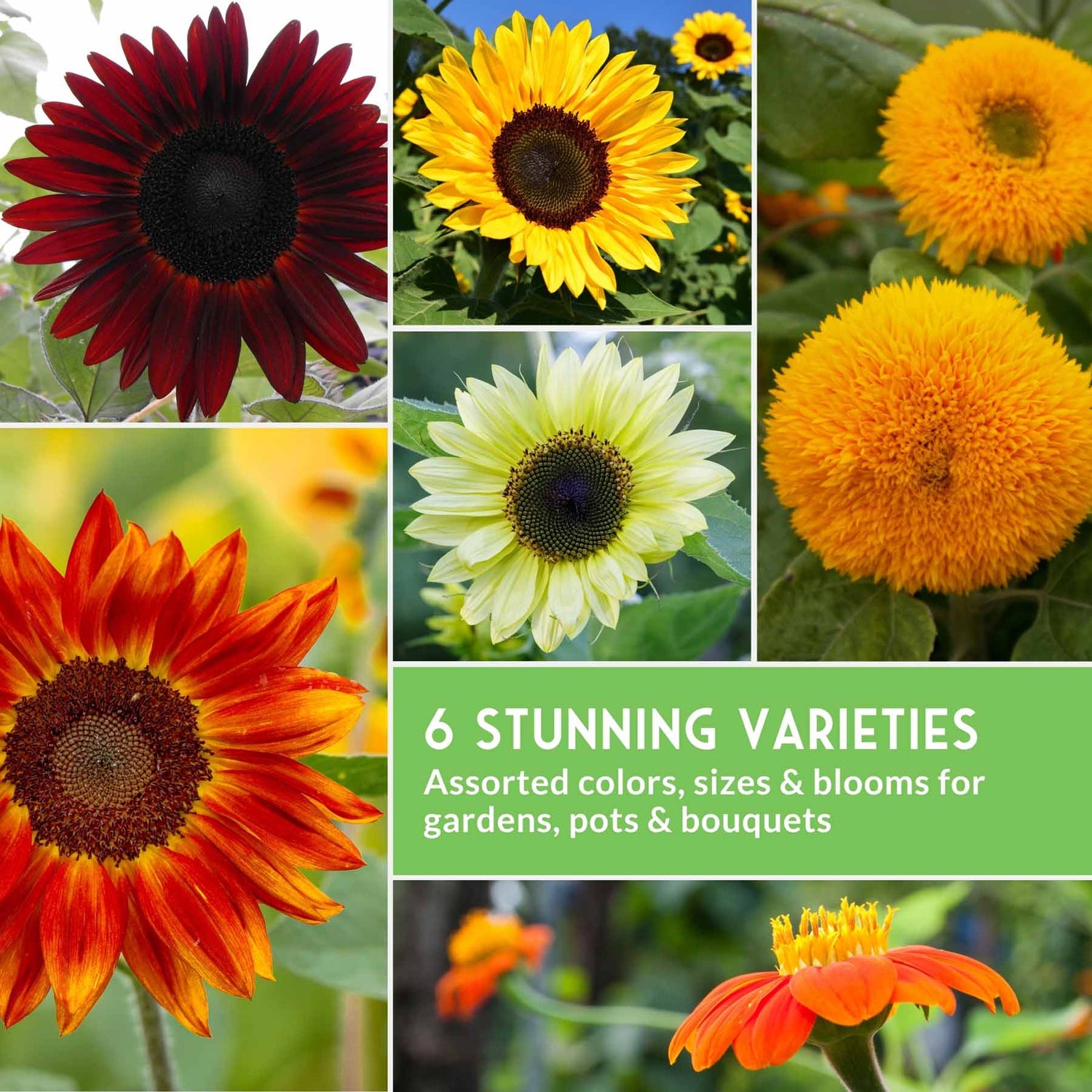
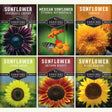
Create a vibrant, pollinator-rich garden with this 6 Sunflower Seed Collection from Survival Garden Seeds. Featuring six distinctive varieties—Autumn Beauty, Dwarf Sungold, Lemon Queen, Chocolate Cherry, Black Russian, and Mexican Sunflower—this assortment brings a stunning range of colors, heights, and textures to any outdoor space. These sun-loving annuals attract bees, butterflies, birds, and even monarchs, while also providing excellent cut flowers and, in some varieties, edible or oil-rich seeds.
Six Beautiful and Useful Sunflower Varieties:
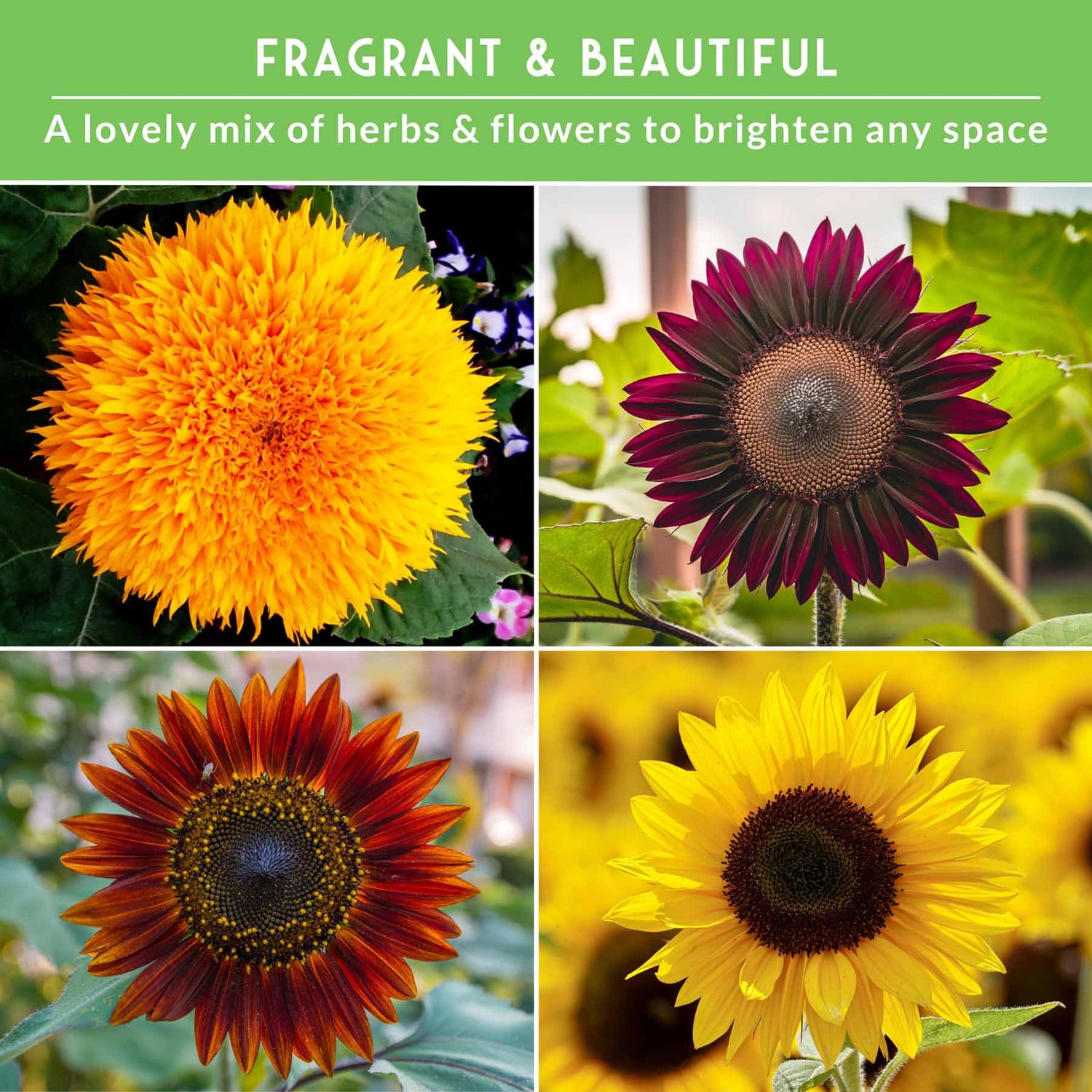
- Autumn Beauty produces branching plants 5–8 feet tall with multiple 6-inch blooms in warm shades of burgundy, orange, yellow, and crimson surrounding dark centers.
- Dwarf Sungold (Teddy Bear) grows 2–3 feet tall, making it ideal for containers and small gardens. Its fuzzy, pom-pom orange blooms offer a soft, unique texture.
- Lemon Queen reaches 5–7 feet and forms large, branching plants with 8-inch flowers featuring lemon-yellow petals and deep brown centers.
- Chocolate Cherry sunflowers stand 6–7 feet tall and display striking dark blooms with chocolate eyes and deep burgundy petals. These plants produce very little pollen, making them a favorite for cut-flower arrangements.
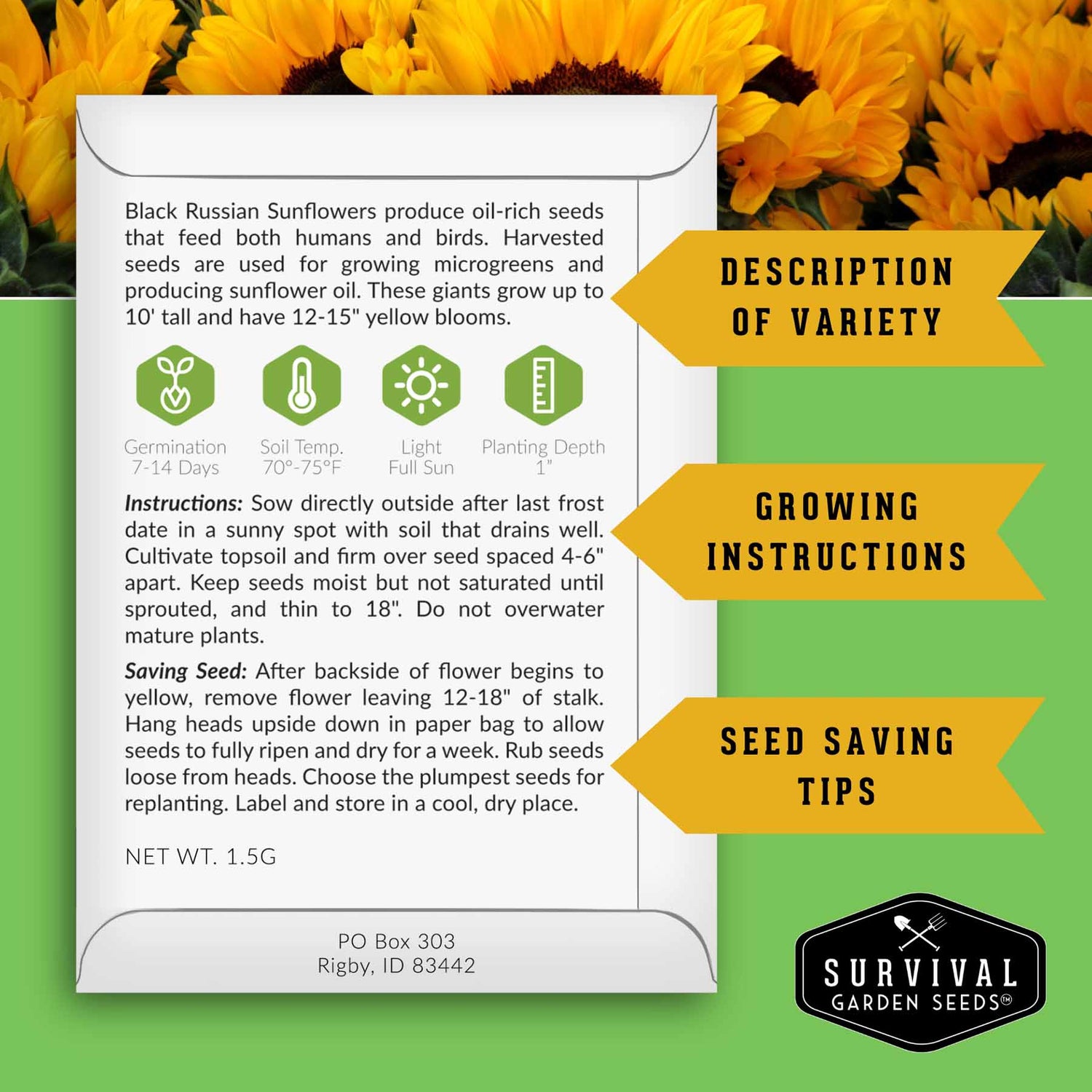
- Black Russian is a classic giant sunflower variety reaching up to 10 feet tall. Its large, oil-rich seeds are excellent for bird feed or home use. Plants bear massive 8-inch blooms ideal for bold garden backdrops.
- Mexican Sunflower (Tithonia), while not a true sunflower, is a bushy wildflower beloved by monarch butterflies. Its bright blooms help build soil fertility and add season-long color to borders and pollinator patches.
Why Customers Love the Sunflower Seed Collection:
- Six complementary varieties for vibrant, multi-height garden displays
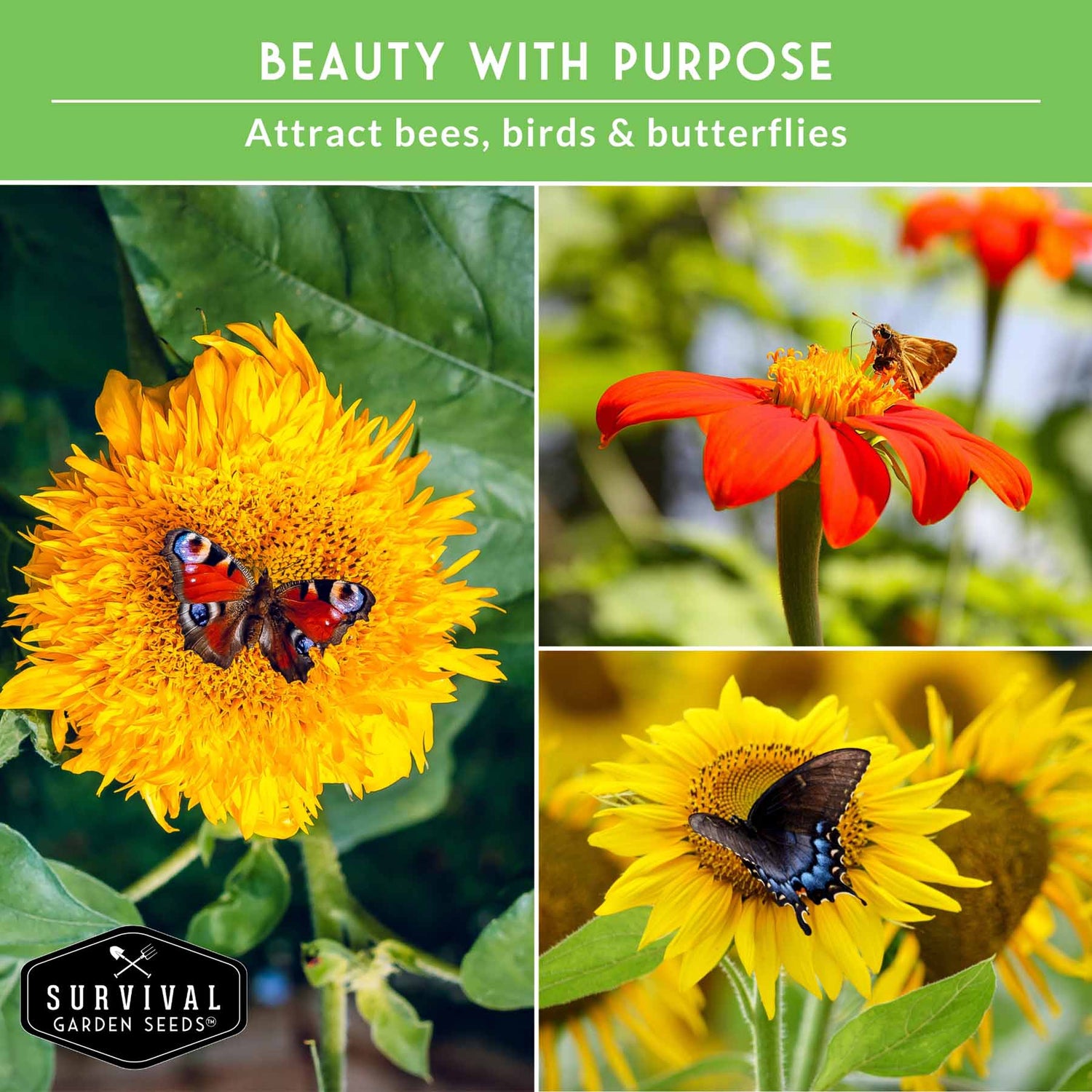
- Attracts bees, butterflies, birds, and other beneficial pollinators
- Includes cut-flower favorites, edible seed types, and container-friendly options
- Easy to grow in full sun with minimal maintenance
- Provides long-lasting color from compact borders to towering backdrops
How to Grow:
Sow sunflower seeds directly outdoors after the last frost. Plant in full sun with well-drained soil. Space plants according to variety, giving tall or branching types ample room to grow. Water regularly during early growth and drought periods. Support may be needed for very tall varieties like Black Russian. Mexican Sunflower can be started indoors or sown directly for a bushy, floriferous planting.
Bloom & Use:
Cut blooms for fresh arrangements, leave seed heads for birds, or harvest edible seeds from Black Russian plants. Use compact varieties in containers, place tall varieties at the back of borders, and mix colors for dramatic garden displays.
Sunflower Seed Collection – 6 Colorful, Pollinator-Friendly Varieti...
Heirloom Garden Seeds
All of our seeds are open-pollinated, non-GMO, heirloom varieties with tested germination rates
Payment & Security
Payment methods
Your payment information is processed securely. We do not store credit card details nor have access to your credit card information.
Why Choose Survival Garden Seeds
At Survival Garden Seeds, we believe in preparing today for tomorrow’s peace of mind. That’s why we offer only heirloom, non-GMO, and untreated seeds you can trust to nourish your family and support a sustainable lifestyle. As a family-owned American company, we’re committed to providing seeds that grow strong and true—helping you cultivate health, resilience, and beauty in your garden.
Frequently Asked Questions
Are your seeds heirloom and open-pollinated?
Are your seeds heirloom and open-pollinated?
Yes. All of our seeds are heirloom, open-pollinated varieties, which means they can produce seeds that grow true to type and are suitable for seed saving.
You can learn more about open-pollinated, heirloom, and non-GMO seeds in our Survival Garden Training blog.
Are your seeds non-GMO?
Are your seeds non-GMO?
Yes. All Survival Garden Seeds are 100% non-GMO. Our seeds are open-pollinated heirloom varieties and are never genetically modified.
Are your seeds treated with chemicals?
Are your seeds treated with chemicals?
No. Our seeds are completely untreated and free from chemical coatings, fungicides, or synthetic treatments.
How do I know my seeds are fresh?
How do I know my seeds are fresh?
Every seed packet includes a packed-for date, and we germination-test each seed lot before packaging to ensure high viability.
What is the shelf life of your seeds?
What is the shelf life of your seeds?
Most seeds remain viable for 3 to 5 years or longer when stored properly in a cool, dry place away from light and moisture.
In what USDA hardiness zones can I grow your seeds?
In what USDA hardiness zones can I grow your seeds?
Our varieties are selected to grow successfully across USDA Hardiness Zones 3 through 10. Each packet includes variety-specific planting guidance and germination tips.